

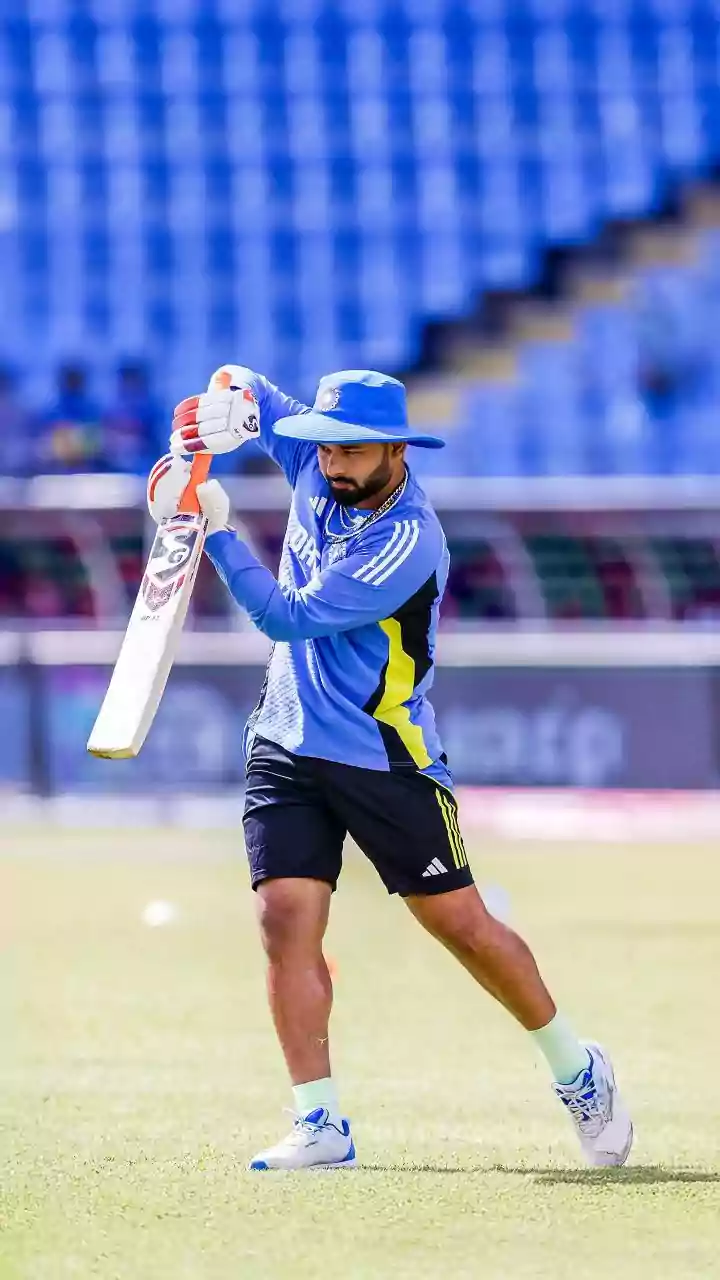




What Sangakkara Said
Publicly, Kumar Sangakkara’s comments after a mid-season loss in 2026 were framed as constructive criticism. He pointed to a lack of situational awareness in “key moments” from senior players, and while he didn't name Curran directly, the context was
clear. After Curran was out playing an aggressive shot when the team needed consolidation, Sangakkara noted that the team’s highly-paid stars needed to “take more ownership of the match tempo.” This wasn’t a scathing attack, but in the coded language of elite sport, it was a significant jab. It suggested a disconnect between the player’s approach and the management’s expectations. For a high-profile director of cricket like Sangakkara, known for his calm but calculated demeanour, such public musings are never accidental. They hint at a deeper strategic assessment and perhaps a frustration that individual brilliance wasn't translating into the desired collective results.
Curran's Undeniable Form
The paradox at the heart of this situation is that Sam Curran had a statistically impressive season. With a batting strike rate nearing 150 and over a dozen wickets with the ball, his all-round contributions were, on paper, exactly what the Royals paid for. He delivered several match-winning cameos and bowled crucial overs. This is why the speculation is so intriguing; it’s not about a player failing to perform. Instead, the debate centres on the nature of his performance. His aggressive batting, for instance, won games but also contributed to collapses when a more measured approach was needed. He was a valuable asset, but the question the Royals' management seems to be asking is whether he is the right asset for their specific needs, or if his role is too undefined to build a championship-winning formula around.
A Question of Tactical Fit
Beyond any personal friction, the core of the issue may be tactical. Rajasthan Royals have historically built their most successful teams around a clear philosophy. Is Sam Curran, a dynamic but somewhat mercurial all-rounder, a perfect fit? He is neither a pure top-order batsman nor a specialist death bowler. He thrives on being a floating game-changer, a role that can be difficult to structure a team around. Franchises often prefer players who excel in one specific, high-leverage role—a designated finisher, an anchor, or a powerplay enforcer. Sangakkara and the Royals' think tank might feel that Curran’s high price tag could be better allocated to two specialist players who offer more tactical certainty, even if they don't provide the same all-round package. The IPL is increasingly a game of matchups and defined roles, and players who are jacks-of-all-trades can sometimes be seen as masters of none.
The Financial Equation of the IPL
No IPL decision is made without considering the finances. Releasing a player, even a star, is often a strategic move to free up purse space for the auction. Curran was among the highest-paid players in the league, a remnant of a bidding war from a previous auction where his stock was at an all-time high following the T20 World Cup. While his performances were good, the franchise must constantly evaluate if they are getting optimal value for that massive salary chunk. Releasing him into the auction pool presents two possibilities: either let another team sign him, freeing up a huge portion of their budget to address other weaknesses, or attempt to buy him back at a significantly lower price. It’s a calculated risk. Another team might be willing to pay big again, but for the Royals, it’s a pragmatic approach to roster management and resource optimisation in a league with tight salary caps.