



The Sun’s 11-Year Cycle
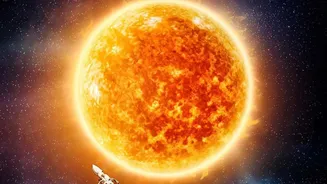
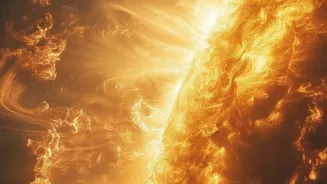
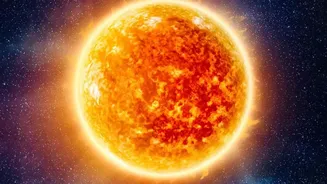
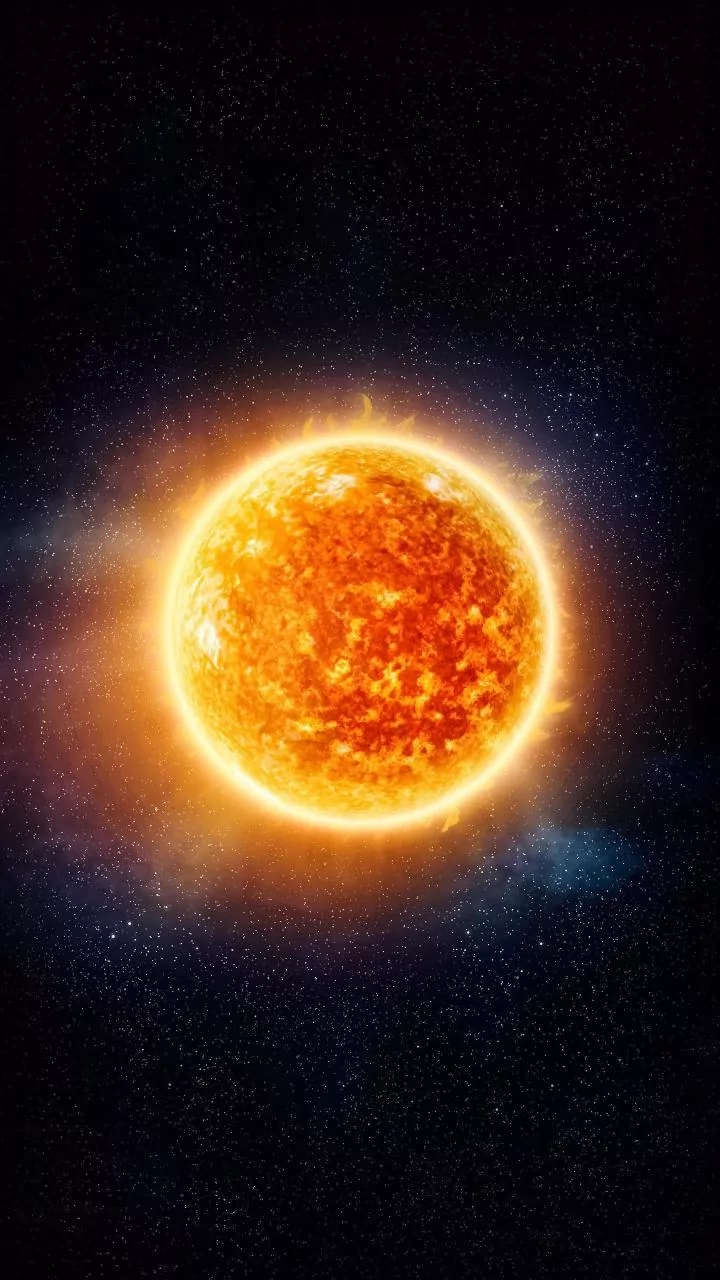
The sun operates on a roughly 11-year cycle, swinging between periods of quiet and intense activity. The quiet phase is known as the solar minimum, while the peak of activity is called the solar maximum. We are currently in the solar maximum phase of what
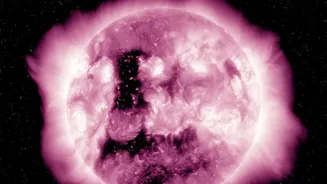
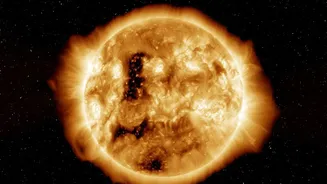
is known as Solar Cycle 25. This peak, which scientists confirmed arrived in late 2024, is defined by a surge in sunspots—dark, cooler areas on the sun's surface that are hubs of intense magnetic activity. These are not small blemishes; an average sunspot can be the size of Earth. During solar maximum, the sun's magnetic field becomes chaotic and tangled, eventually flipping its north and south poles. This magnetic turbulence is what drives the increase in sunspots and the powerful solar events that follow.
How Sunspots Spark Stunning Auroras
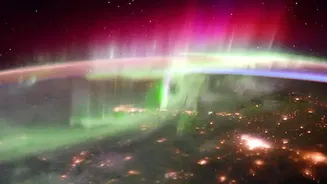
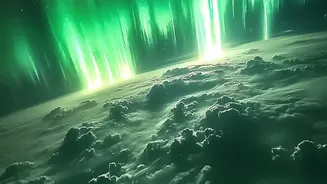
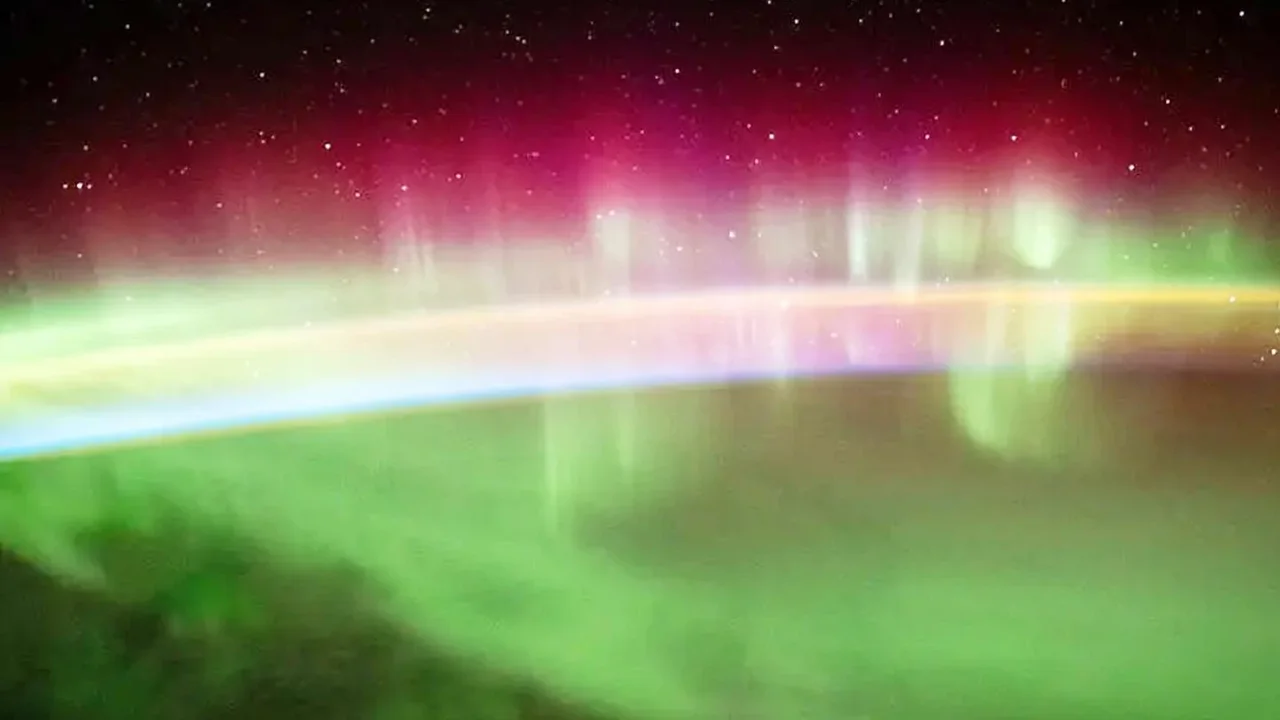
Sunspots themselves are just markers of intense magnetic fields. The real action happens when these tangled magnetic field lines suddenly snap and reorganise. This process can unleash tremendous explosions of energy called solar flares and colossal eruptions of plasma and magnetic fields known as Coronal Mass Ejections (CMEs). When a CME is directed towards Earth, it sends a cloud of charged particles hurtling through space at immense speeds. If this solar wind collides with Earth's magnetosphere—our planet's protective magnetic shield—it triggers a geomagnetic storm. These storms supercharge the particles in our atmosphere, causing them to glow. The result is the aurora borealis (Northern Lights) and aurora australis (Southern Lights), which become more frequent, intense, and visible at lower latitudes during a solar maximum.
The Dark Side: Disrupting Modern Technology
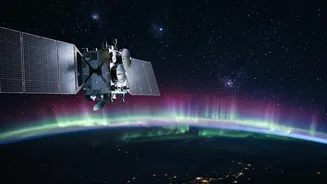
While auroras are a beautiful consequence of solar maximum, the same geomagnetic storms that create them pose a significant threat to our technology-dependent society. Satellites in low-Earth orbit are particularly vulnerable. Geomagnetic storms heat and expand Earth's upper atmosphere, increasing the atmospheric drag on satellites. This increased drag can slow them down, cause their orbits to decay faster, and even lead to premature reentry into the atmosphere. Furthermore, the intense radiation from solar flares and CMEs can damage sensitive satellite electronics, cause phantom commands, and degrade solar panels. This doesn't just affect the satellites themselves; it impacts the vital services they provide, including GPS navigation, weather forecasting, and global communications.
Impacts on Earth-Based Communications
The disruption isn't limited to space. The energy from a solar flare can alter the composition of Earth's ionosphere, the atmospheric layer that radio signals bounce off of. This can absorb high-frequency (HF) radio signals, causing blackouts for minutes or hours on the sunlit side of the planet. These blackouts can affect air traffic control, maritime shipping, and military communications. GPS signals are also at risk. As the signals travel from satellites through a disturbed ionosphere, their accuracy can be degraded, leading to positioning errors that range from a few metres to a complete signal loss. While rare, the most extreme geomagnetic storms have the potential to induce powerful electrical currents in ground-based power grids, potentially causing widespread blackouts.