






What Exactly Is Zone-2 Cardio?
Forget the 'no pain, no gain' mentality. Zone 2 cardio is all about low-intensity, steady-state exercise. Think of it as a 'conversational pace.' It’s an effort level where your heart rate is elevated to about 60% to 70% of its maximum, but you can still
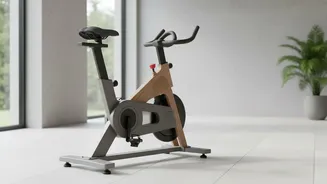
easily hold a full conversation without gasping for breath. This is the foundational level of fitness, often called 'base training,' because it builds the aerobic engine that supports all other physical activity. Unlike high-intensity intervals that leave you breathless, Zone 2 feels comfortable, sustainable, and repeatable, placing minimal stress on your joints and muscles. For many people chained to a desk, this could be a brisk walk, a relaxed bike ride, or using an elliptical machine.
The Cellular Secret to More Energy
The feeling of being constantly drained isn't just in your head; it's in your cells. Specifically, it relates to your mitochondria, the tiny 'powerhouses' in your cells responsible for generating energy. A sedentary lifestyle can lead to a decline in both the number and efficiency of your mitochondria. This is where Zone 2 training works its magic. Consistent exercise at this low intensity stimulates a process called mitochondrial biogenesis—essentially telling your body to build more of these energy factories. It also improves their ability to work efficiently, particularly in using fat for fuel. By improving mitochondrial function, you enhance your body’s capacity to produce energy, fighting off that familiar desk-bound fatigue and building a more resilient internal engine.
Building a Bigger Fitness Engine (VO2 Max)
VO2 max is a key measure of your cardiorespiratory fitness. It represents the maximum amount of oxygen your body can utilize during intense exercise. A higher VO2 max is one of the strongest predictors of overall health and longevity. While it might seem counterintuitive, you don’t have to train at maximum intensity all the time to improve it. Zone 2 training is crucial for building the aerobic base that allows your heart and lungs to become more efficient. It strengthens the heart muscle, increases the number of small blood vessels (capillaries) that deliver oxygen to your muscles, and improves your body's ability to clear lactate. This strong foundation makes your body better at using oxygen, which directly supports a higher VO2 max and allows you to eventually handle higher-intensity workouts with less strain.
How to Find Your Personal Zone 2
You don't need fancy equipment to find your Zone 2. The easiest method is the 'talk test.' If you can speak in full, comfortable sentences while exercising, you're likely in the right zone. If you can only manage short phrases, you've pushed too hard. If you can sing, you're probably going too easy. For those who prefer numbers, a simple formula to estimate your maximum heart rate (MHR) is 220 minus your age. Your Zone 2 is then 60% to 70% of that number. For example, a 40-year-old has an estimated MHR of 180 beats per minute (bpm), making their Zone 2 range approximately 108 to 126 bpm. A fitness tracker or heart rate monitor can help, but listening to your body is the most accessible tool.
A Simple Starting Plan for Desk Workers
The beauty of Zone 2 is its accessibility. You don’t need to sign up for a grueling boot camp. Start by aiming for two to three sessions per week, with each session lasting at least 30-45 minutes. Consistency is more important than intensity. Activities that work well include brisk walking (especially on an incline), jogging slowly, cycling on a stationary bike, or using a rowing machine at a steady pace. The key is to maintain a consistent effort within your Zone 2 range. Because it's a low-impact activity, recovery is quick, meaning you can do it more frequently without feeling sore or overworked, making it a perfect, sustainable habit for anyone looking to escape a sedentary cycle.