

The Monsoon's Alluring Call
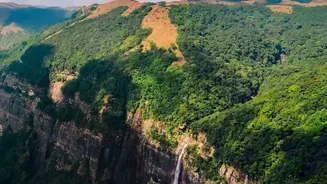
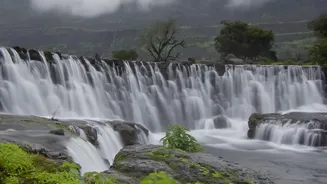
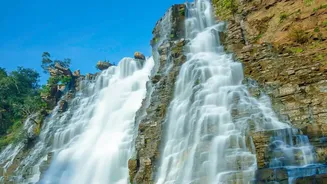
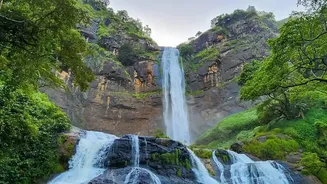
As predictable as the rains themselves, the arrival of the monsoon sends a wave of excitement across Maharashtra. City dwellers from Mumbai and Pune begin charting their weekend escapes to the Western Ghats, seeking the cool spray and thunderous roar
of waterfalls. Popular destinations like Lonavala, Igatpuri, and Malshej Ghat transform into bustling hubs. The allure is simple: a temporary respite from urban life, surrounded by lush landscapes, the aroma of rain-soaked earth, and the taste of roasted corn on the cob. This annual pilgrimage to nature's doorstep is a cherished tradition, a chance to witness the raw beauty of the Sahyadris in their seasonal prime.
An Unprecedented Early Rush
While the monsoon has just begun to gather steam, tourist spots are already overflowing. This past weekend, popular locations witnessed a significant influx of visitors, leading to traffic snarls and overcrowding. Unfortunately, this early enthusiasm has also been marked by tragedy. Incidents of tourists getting into trouble have been reported, including a fatal flash flood in Thane that swept away a group of friends, resulting in one death. At Zenith Waterfall near Khopoli, more than 100 tourists were stranded and required a large-scale rescue operation after a sudden surge in water levels. Similarly, two separate drowning incidents occurred at Kalu River near Malshej Ghat, claiming the lives of two young men. These events underscore the volatile nature of monsoon tourism.
Authorities on High Alert
In response to the early rush and associated risks, local administrations have swung into action. The Pune District Collector has imposed prohibitory orders under Section 163 of the BNSS in the Lonavala region, effective until late July. These orders ban entry to waterfalls, dams, and cliff edges, specifically naming Bhushi Dam, Tiger Point, and Lion's Point. Furthermore, a ban on alcohol consumption and loud music is being strictly enforced. In a major development, Malshej Ghat has been closed to all traffic indefinitely after a section of National Highway 61 caved in due to heavy rain, disrupting a key transit route and a major tourist draw. Authorities have repeatedly urged the public to avoid visiting waterfalls and overflowing rivers during heavy downpours.
The Hidden Dangers of a Fun Trip
The romance of a waterfall visit can quickly turn into a nightmare. The most apparent danger is drowning, with flash floods capable of increasing water levels within minutes, trapping unsuspecting visitors. The rocks, covered in slick moss, become treacherous, leading to falls and serious injuries. Beyond the immediate natural hazards, overcrowding brings its own set of problems. Massive traffic jams leading to these spots can mean hours stuck on the road, while the strain on local resources and rescue services becomes immense. Authorities have noted that many tragic incidents, including 15 recent drowning deaths in the Pawna Dam area, occurred because visitors entered water bodies without gauging their depth or the current's strength.
Planning a Smarter Waterfall Visit
Enjoying the monsoon responsibly is still possible, but it requires a change in mindset. First, always check for official advisories and closures before you leave home. Given the indefinite closure of Malshej Ghat, for example, alternative routes must be planned well in advance. Consider visiting on a weekday to avoid the weekend crowds. Opt for safer, designated viewpoints rather than venturing into the water or onto slippery rocks for a selfie. Heed all warning signs and instructions from police and local officials. Pack appropriate footwear with a strong grip, and always let someone know your itinerary. Exploring lesser-known, officially sanctioned spots or simply enjoying a drive through the green landscapes can be a safer and more pleasant alternative to battling the crowds at high-risk locations.