







The Season's First Warning
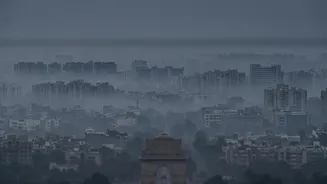
On Wednesday, October 21, 2026, Delhi's Air Quality Index (AQI) officially entered the 'poor' category, with readings reaching as high as 245. This is the first time the air has been this bad since mid-July, marking an unofficial start to the winter pollution
season that residents have come to dread. In response, authorities have already invoked Stage I of the Graded Response Action Plan (GRAP), a set of emergency measures to curb pollution. An AQI between 201 and 300 is classified as 'poor' and can cause breathing discomfort to most people upon prolonged exposure. While respiratory health is a major concern, the immediate, stinging reality for many is felt in their eyes.
Why Your Eyes Burn
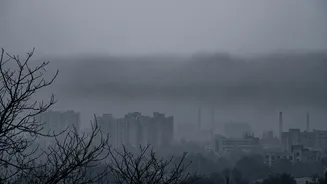
Your eyes are uniquely vulnerable to air pollution because their moist surfaces readily absorb airborne irritants. The current smog over Delhi is a toxic mix of particulate matter (PM2.5), nitrogen oxides, and sulfur dioxide. These particles and gases disrupt the natural tear film that protects your eyes. This disruption causes tears to evaporate more quickly, leading to dryness, while the chemical pollutants trigger inflammation. The result is a cascade of uncomfortable symptoms, essentially your body's defence mechanism kicking in to signal that it's under attack from the environment.
Know the Symptoms
The effects of pollution on the eyes are often immediate. You might notice one or more of the following symptoms, especially after spending time outdoors: redness, persistent itching, and a stinging or burning sensation. Your eyes may also become watery as they try to flush out the foreign particles, or paradoxically, feel unusually dry and gritty, as if a grain of sand is stuck in them. Some people also experience blurry vision that comes and goes or an increased sensitivity to light. These symptoms are classic signs of conditions like allergic conjunctivitis and dry eye syndrome, which are frequently exacerbated by poor air quality.
Practical Steps for Protection
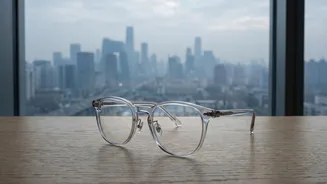
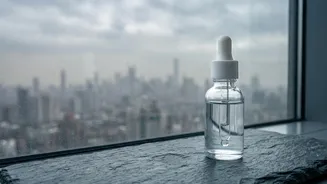
You can't change the air outside, but you can take several effective steps to shield your eyes. The most direct approach is to create a physical barrier. Wear well-fitting, wrap-around sunglasses or even simple eyeglasses when you step out to block pollutants from making direct contact. It's crucial to fight the urge to rub your eyes, as this can worsen irritation and transfer more pollutants from your hands. Instead, use preservative-free lubricating eye drops or artificial tears four to five times a day to keep eyes moist and flush out irritants. After returning home, gently rinsing your eyes with clean, cool water can provide relief, but avoid using tap water directly in the eye as it can cause further irritation. Using an air purifier indoors can also significantly reduce your exposure to pollutants that seep into homes and offices.
When to Consult a Doctor
For many people, mild irritation will subside after they move to a cleaner environment. However, if your symptoms are severe or persist for more than two or three days despite taking precautions, it's time to see a specialist. Pay close attention to warning signs like significant pain in the eyes, swelling of the eyelids, a thick discharge, or any sudden changes in your vision. These could indicate a more serious infection or corneal damage that requires professional medical treatment. It's particularly important for contact lens wearers to be cautious, as lenses can trap pollutants against the eye's surface. Consider switching to glasses on days with high AQI readings.