
Beyond the Usual Suspects
For years, the Indian café menu has been a predictable affair. Dominated by cappuccinos, paneer tikka sandwiches, and chili cheese toast, the food was often secondary to the coffee. But that landscape is changing. Today, you're just as likely to find
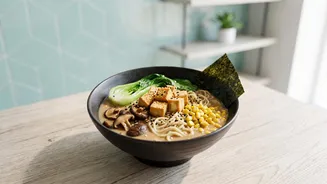
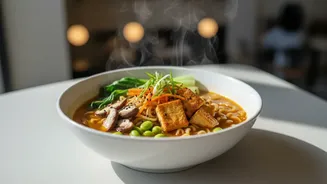
a steaming bowl of vegetarian ramen, spicy Korean rice cakes (tteokbokki), or delicate Japanese-style gyoza on the menu. This isn't a niche trend confined to specialty restaurants; it's a mainstream movement happening in the all-day cafés where India's youth hang out. Driven by a desire for variety and new experiences, young consumers are moving beyond the standard café fare they grew up with.
The K-Wave and Japanese Comfort
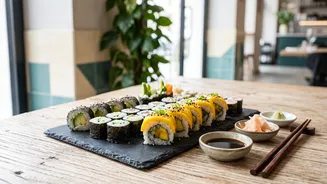
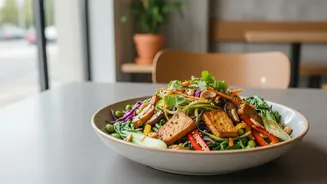
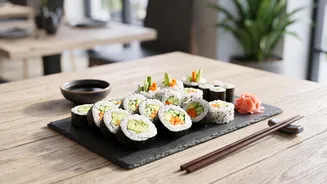
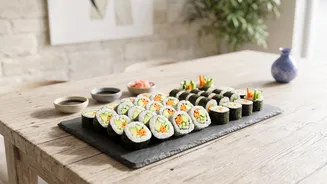
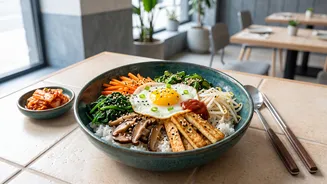
Much of this shift can be credited to the powerful influence of East Asian pop culture. The global explosion of K-dramas and K-pop has introduced an entire generation of Indians to Korean food, creating a craving for dishes they've seen on screen. As a result, vegetarian versions of Korean staples like bibimbap (mixed rice bowls) and japchae (glass noodle stir-fry) are becoming incredibly popular. These dishes, known for their bold, spicy, and savoury flavours, resonate well with the Indian palate. Simultaneously, there's a growing appreciation for Japanese comfort food. Once considered a niche, premium cuisine primarily known for non-vegetarian sushi, Japanese food is now becoming more accessible. The adaptation of dishes to suit local vegetarian preferences has been key. Think vegetable-filled gyoza, avocado and cucumber sushi rolls, and comforting bowls of udon noodle soup, which offer a subtle yet satisfying alternative.
A Mix of Health, Curiosity, and Social Media
This culinary evolution is fuelled by several converging factors. Firstly, there's a significant health and wellness movement among young Indians. Plant-based diets are becoming mainstream, and diners are actively seeking out nutritious, light, and fresh meals. Vegetarian Asian dishes, which often feature a colourful array of vegetables, tofu, and fermented ingredients, fit this demand perfectly. Secondly, increased global exposure through travel and digital media has cultivated a more adventurous palate. Young diners are curious and open to trying authentic international flavours beyond the heavily localized versions of the past. Finally, the visual appeal of these dishes cannot be overstated. A beautifully arranged bibimbap bowl, a colourful sushi platter, or a vibrant matcha latte are made for social media. Cafés are designing dishes that are not just delicious but also highly 'Instagrammable', turning customers into organic marketers and accelerating the trend's visibility.
The New Cafe Experience
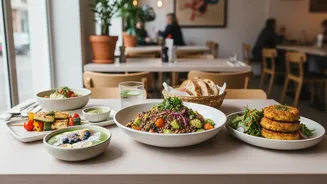
This trend also reflects the changing role of the café in Indian society. Cafés are no longer just for a quick coffee; they are 'third spaces' for work, socializing, and relaxation. This shift encourages 'freestyle dining' with small plates, shareable snacks, and all-day brunch options that move beyond rigid meal times. Vegetarian Asian offerings like bao buns, dumplings, and Korean corn dogs are perfect for this flexible, informal style of eating. They can be a light snack or combined to create a full meal. Furthermore, some cafés are taking the experience a step further with DIY concepts, where customers can cook their own ramen or assemble their own bowls, adding an interactive and personalized element that strongly appeals to Gen Z.