





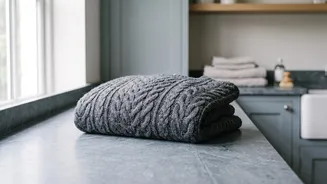

As seasons change, we pack away our heavy woollens and coats. But a hidden threat lurks in our cupboards: moisture. This dampness can lead to musty smells, mildew, and fabric damage, ruining your favourite winter wear before you even get to use it.
The Silent Damage of Dampness
High
humidity, especially common during the Indian monsoon, creates the perfect breeding ground for mould and mildew inside dark, poorly ventilated wardrobes. Fabrics, particularly natural fibres like wool and silk, are vulnerable. They absorb this excess moisture from the air, which can lead to several problems. You might notice a persistent musty odour that clings to your clothes even after washing. In worse cases, you could find visible mildew spots—typically grey or white—or even darker mould patches. Over time, this constant cycle of absorbing and releasing moisture can weaken fabric fibres, causing them to lose their shape and wear out prematurely.
Your First Line of Defence: Commercial Absorbers
One of the easiest ways to combat wardrobe dampness is with commercial moisture absorbers. These are widely available online and in stores across India, with brands like Absorbia and DampFree offering various solutions. They primarily come in two types: calcium chloride and silica gel. Calcium chloride is a powerful agent often sold in tubs or hanging pouches. It's highly effective for larger spaces like closets because it aggressively pulls moisture from the air, collecting it as a liquid brine. Silica gel, the small packets you find in shoe boxes and electronics packaging, is better for smaller, enclosed spaces like drawers or storage boxes. It traps moisture within its pores without turning into a liquid, making it a safer, no-spill option for protecting specific items.
Effective DIY Solutions from Your Pantry
You don't always need to buy a special product to fight humidity. Several common household items work as effective, low-cost moisture absorbers. Uncooked rice, for instance, is excellent at absorbing moisture and can be placed in small cloth bags or bowls inside your cupboards. Baking soda is another great option that also helps neutralise odours; simply place an open box or a bowl of it in the closet and replace it every month or so. Activated charcoal is also a fantastic natural dehumidifier and odour-eater. You can place charcoal briquettes (the kind without lighter fluid) in an old can with holes punched in the lid to create a simple, effective absorber.
Best Practices for Storing Clothes
Moisture absorbers work best when combined with good storage habits. Before packing anything away, ensure every garment is completely clean and, most importantly, 100% dry. Even slight dampness from the laundry can trigger mould growth in a closed space. Avoid overpacking your cupboards; allowing air to circulate between clothes is crucial for preventing moisture from getting trapped. For longterm storage, consider using breathable storage bags or airtight plastic containers instead of cardboard boxes, which can attract moisture. Periodically, on dry and sunny days, open your wardrobe doors and even take some clothes out to air them. This simple step helps to reset the environment inside and keep things fresh.