


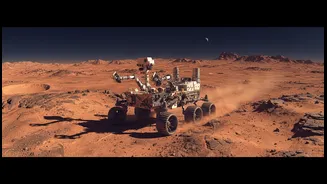


A New Strategy for the Red Planet
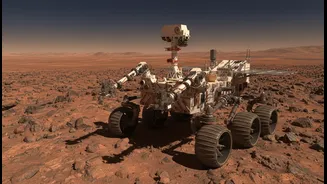
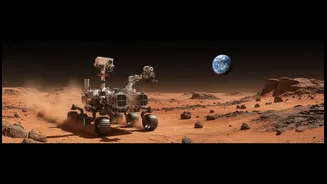
For decades, our image of Mars exploration has been defined by solitary, high-tech rovers like Curiosity and Perseverance. While these robotic geologists have been phenomenally successful, they are also incredibly expensive and complex, taking years or even
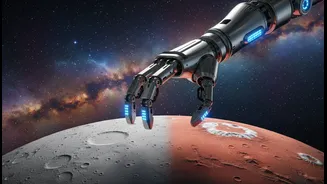
decades to design and deploy. Their very sophistication limits where they can go, keeping the most rugged and scientifically intriguing parts of Mars out of reach. Recognizing these limitations, NASA has launched a new initiative designed to change the paradigm. Announced in early July 2026, this strategic shift embraces a core principle of modern technology: collaboration. By funding a range of private companies, NASA aims to create a whole ecosystem of exploratory machines, rather than putting all its hopes on a single, monolithic project.
Inside the STRIDE Initiative
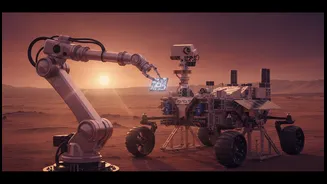
The new programme is called Science Transport and Robotic Innovation for Deployment and Exploration, or STRIDE. With an initial investment of approximately $17 million, its goal is to fast-track the development of next-generation robotic mobility systems. The core objective is to design robots that can go farther, last longer, and navigate the kind of difficult terrain that would stop a conventional rover in its tracks. This includes steep crater walls, rocky fields, and regions that may hold clues to past water and life. Instead of designing everything in-house, NASA is tapping into the agility and specialized expertise of the commercial sector. This public-private partnership model allows the agency to explore multiple innovative approaches at once, potentially lowering mission costs and enabling more frequent trips to the Red Planet.
Meet the Robotic Trailblazers
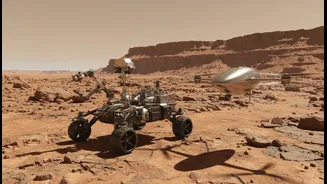
NASA has selected seven companies for the initial STRIDE contracts, each bringing a unique set of skills to the table. The list includes a mix of established aerospace giants and nimble innovators: AeroVironment, Astrobotic, Venturi Astrolab, Ground Control Robotics, Honeybee Robotics, Intuitive Machines, and MEI Technologies. Several of these names are already trusted NASA partners. AeroVironment was instrumental in the success of the Ingenuity Mars helicopter, proving aerial exploration is possible. Honeybee Robotics has a long history of building drills and sample collection systems for NASA missions. Meanwhile, companies like Astrobotic and Intuitive Machines are at the forefront of the commercial lunar landing scene, giving them crucial experience in delivering payloads and operating on other worlds. This diverse portfolio ensures NASA isn't betting on a single solution, but fostering a competitive environment to produce the best possible technologies.
Beyond Wheels: What Will These Robots Do?
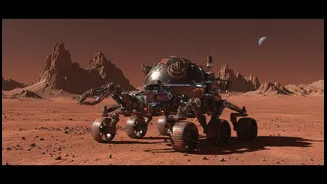
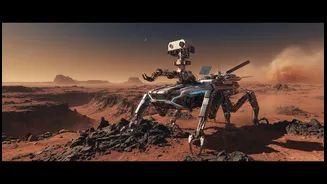
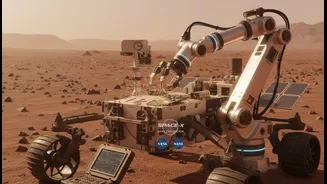
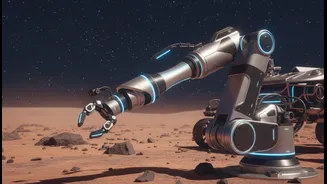
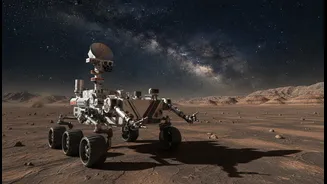
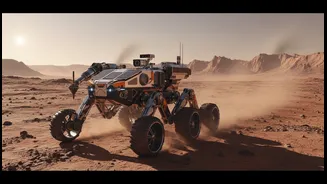
The STRIDE initiative is about more than just building better rovers. It's about fundamentally rethinking mobility on another planet. The funded projects will explore a wide range of designs, from advanced wheeled platforms capable of climbing steep slopes to autonomous aerial vehicles that can scout ahead or explore areas inaccessible from the ground. The ability to traverse greater distances and access challenging geography is critical for future science. Many of the most scientifically valuable regions on Mars—such as ancient river deltas, subsurface ice deposits, and volcanic caves—are currently unreachable. By developing a fleet of specialized robots, NASA hopes to finally conduct on-site investigations in these high-priority zones, searching for signs of past life and assessing resources that could support future human missions.
The Bigger Picture: A Proven Model
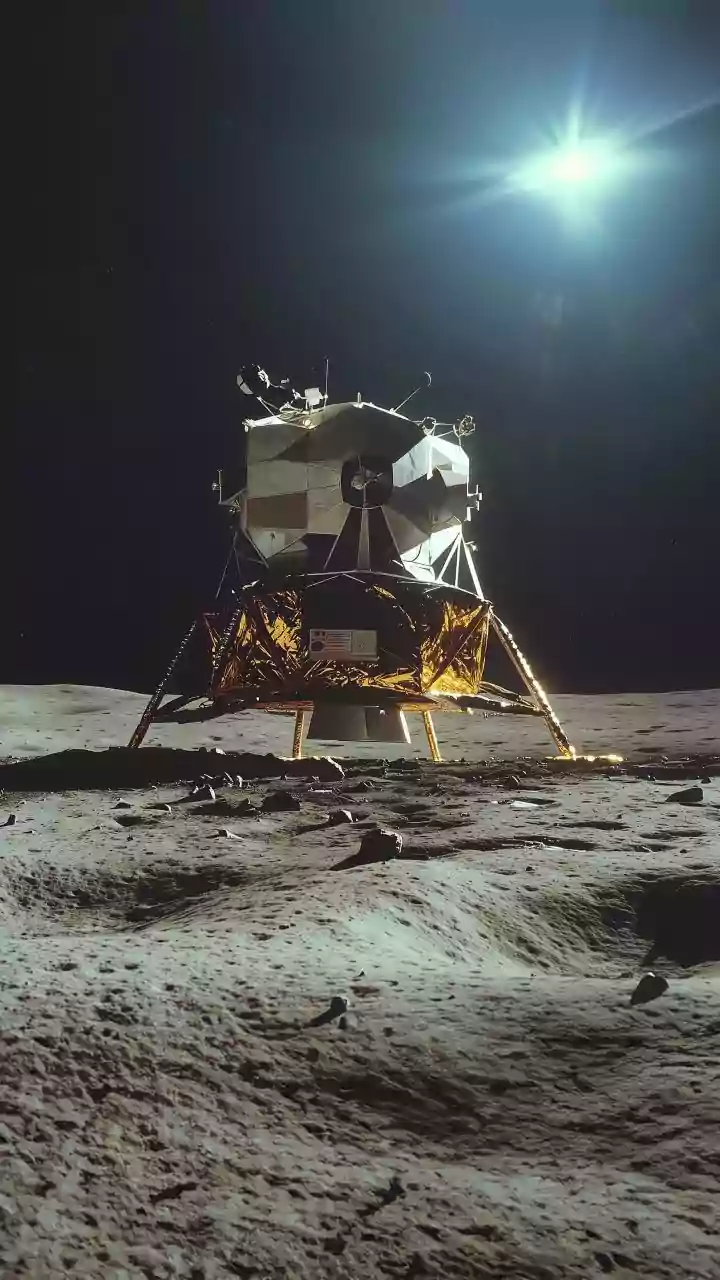
This strategy isn't entirely new for NASA; it's an extension of a model that has already proven highly successful. The Commercial Lunar Payload Services (CLPS) program, for instance, relies on companies like Intuitive Machines and Astrobotic to deliver science instruments to the Moon. This approach has dramatically increased the pace of lunar exploration and is a cornerstone of the Artemis program, which aims to establish a sustainable human presence on the Moon. By applying this same commercial partnership model to Mars, NASA is building a flexible and resilient exploration architecture. The lessons learned and technologies developed under the STRIDE initiative will not only pave the way for more ambitious robotic missions but will also lay the essential groundwork for the ultimate goal: sending astronauts to the Red Planet.