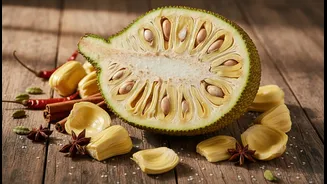




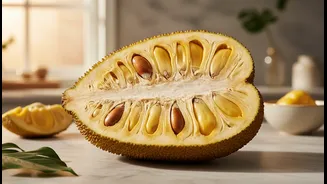
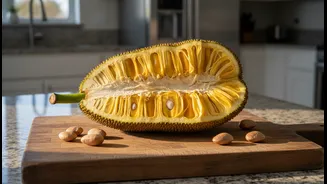



The Fruit's Global Glow-Up
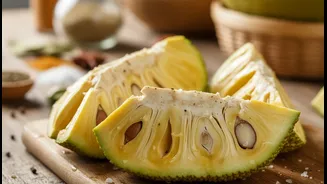
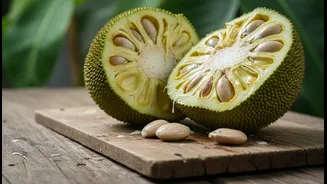
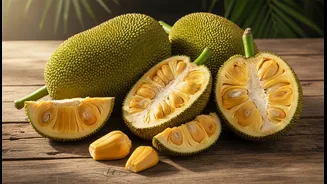
For centuries, jackfruit has been a staple in South and Southeast Asian diets. In India, it was often seen as an abundant, backyard fruit, with tonnes going to waste each year. Its journey to stardom began in the West, where vegans and vegetarians discovered
the magic of unripe jackfruit. When harvested green, its fibrous texture is uncannily similar to pulled pork or shredded chicken, and its neutral flavour absorbs any seasoning it's paired with. Suddenly, kathal was the star of vegan tacos, BBQ sandwiches, and even pizza toppings in eateries from London to Los Angeles. This global attention, framing it as a 'superfood' and a sustainable meat alternative, began to reflect back to its country of origin, sparking a new wave of culinary curiosity.
Chefs and Home Cooks Get Creative
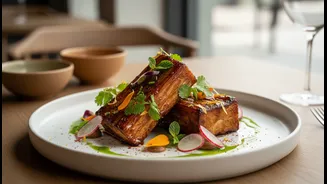
Inspired by this international trend, Indian chefs and home cooks are reimagining kathal's role in the modern kitchen. While kathal ki sabzi has been a North Indian staple for generations, the new movement is about innovation. Restaurants are now serving up jackfruit galouti kebabs that melt in your mouth, crispy kathal cutlets, and even Goan-style curries. The fruit's ability to mimic meat is being leveraged not just as a simple substitute, but as a star ingredient in its own right. Startups are also entering the scene, offering ready-to-cook jackfruit products that cater to a growing health-conscious and 'flexitarian' consumer base looking for plant-based options without compromising on texture or flavour.
Rediscovering Our Own Traditions
Interestingly, this trend isn't just about importing Western ideas. It has also sparked a rediscovery of India's own diverse and long-forgotten jackfruit preparations. Beyond the well-known North Indian preparations, countless regional recipes showcase the fruit's versatility. In Kerala, there is the hearty ‘Chakka Erissery,’ a coconut-based curry. Karnataka has ‘Halasina Kayi Palya,’ a delicious pan-fried dish made from unripe jackfruit. Andhra Pradesh offers the spicy ‘Panasa Puttu Koora.’ From pickles (achaar) to kormas and stir-fries, communities across the country have been cooking kathal in myriad ways for generations, long before it became a global food trend. The current moment is as much about looking forward as it is about looking back at our own rich culinary heritage.
A Healthy and Sustainable Choice
The renewed love for kathal is also driven by its impressive health and environmental credentials. It is packed with essential nutrients like Vitamin C, potassium, and antioxidants. Its high fibre content aids digestion and promotes a feeling of fullness. For those managing their blood sugar, unripe jackfruit has a lower glycemic load than staples like rice and wheat. Furthermore, the jackfruit tree is a climate-resilient wonder. It's drought-resistant, requires minimal maintenance, and can thrive in various tropical climates, making it a highly sustainable crop. As consumers become more aware of the environmental impact of their food choices, jackfruit presents itself as a delicious and responsible option.