

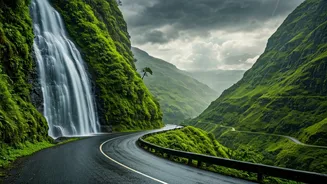


The Allure and the Alarm
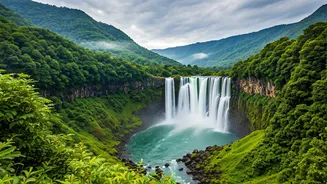
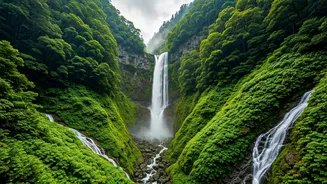
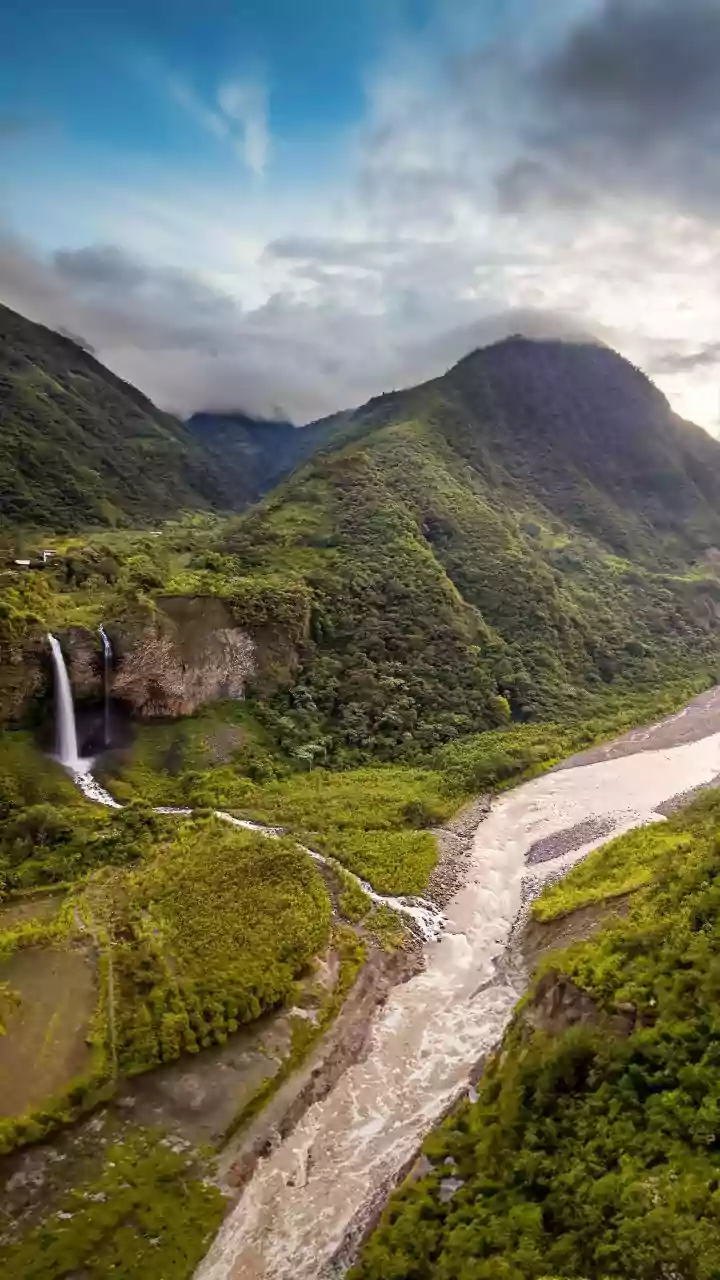
Every year, the southwest monsoon brings relief from the scorching summer heat, painting the landscape in vibrant hues. It’s a season of breathtaking beauty, where waterfalls cascade down mountainsides and the air is fresh and cool. This natural spectacle
attracts tourists in droves to popular destinations. However, the same rains that create this beauty also bring significant dangers. As recently as June 24, 2026, heavy rains triggered landslides in Maharashtra's Malshej Ghat and flash floods in Arunachal Pradesh. These events are not isolated; they are an annual reminder that the monsoon's power can be destructive, turning scenic trips into tragedies if warnings are ignored.
Know Before You Go: Check the Alerts
The single most important step before any monsoon travel is to check the weather forecast. The India Meteorological Department (IMD) regularly issues alerts—yellow, orange, and red—for various districts. For instance, red alerts were issued for Mumbai and Palghar around June 24, 2026, warning of intense rainfall and strong winds. These alerts indicate the likelihood of heavy rain, landslides, and flooding. Ignoring them can have dire consequences. Always check the IMD website and local news for the latest updates on your destination and the routes leading to it. If an orange or red alert is in place, the safest decision is to postpone your trip.
The Danger of Rushing Water
Waterfalls, rivers, and beaches are major attractions during the monsoon, but they are also sites of significant risk. Heavy rainfall can cause water levels to rise suddenly, leading to flash floods. Tourists often underestimate the force of the water, venturing too close to the edge for a photo or a dip. A tragic incident on June 25, 2026, saw a tourist swept away by powerful waves at Baga beach in Goa. Officials constantly advise tourists to stay away from rocky shores and avoid entering the sea during rough weather, as waves can be unpredictable and dangerous. Similarly, areas near waterfalls can become treacherous, with slippery rocks and sudden, forceful currents. Never cross a flowing stream on foot or in a vehicle unless you are certain it is safe.
Navigating Treacherous Roads
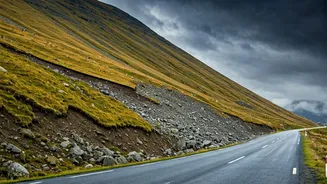
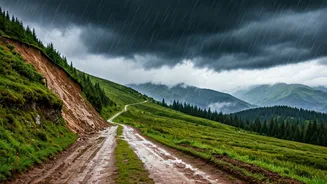
Monsoon drives through scenic ghats are popular, but they are also fraught with peril. Heavy rains lead to slippery roads, reduced visibility, and the risk of landslides. On June 23, 2026, a landslide was reported in Malshej Ghat, which connects Thane and Pune districts. Even without landslides, wet roads increase braking distances and the risk of hydroplaning, where your vehicle’s tyres lose contact with the road. Drive slowly, maintain a safe distance from the vehicle ahead, and avoid braking hard on painted surfaces like zebra crossings, which become extremely slippery. Furthermore, be wary of fallen trees and branches, which are common during heavy rain and wind; Mumbai reported 113 such incidents in just 24 hours around June 25, 2026.
The Selfie-Seeking Risk
In the age of social media, the pressure to capture the perfect monsoon shot can lead people to take unnecessary risks. Standing on the edge of a cliff, on a slippery rock near a waterfall, or on a sea wall during high tide might seem like a good idea for a photo, but it can be fatal. A viral video of the Baga beach incident highlighted the dangers of getting too close to turbulent seas. No photograph or video is worth your life. Respect the power of nature and follow safety guidelines. Use zoom lenses to capture your scenic shots from a safe distance and be aware of your surroundings at all times. Remember that warning signs and barricades are there for a reason.