






The Monsoon's Critical Final Act
The four-month southwest monsoon, running from June to September, is the lifeblood of India's economy, delivering about 70-75% of the country's annual rainfall. But it doesn't end with an abrupt halt. September marks the 'withdrawal' phase, a period where
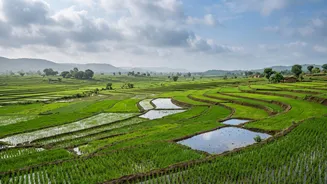
the final spells of rain can make or break water security for the next nine months. The performance of this departing monsoon has a direct and profound impact on everything from the water in our taps to the price of vegetables in the market. While heavy rains in July and August are vital, the slow, steady showers of September are essential for topping up the country's water savings accounts before the long dry season begins.
Topping Up the Nation’s Reservoirs
Across India, more than 150 major reservoirs store water for drinking, irrigation, and hydropower generation. These reservoirs are the primary source of water for many large cities. A good monsoon season fills them up, but September rains provide the final, crucial top-up needed to ensure they are at maximum capacity. If September is dry, reservoirs that are not already full can enter the post-monsoon period at a deficit. This puts immediate pressure on municipal water boards, often leading to water rationing in urban areas and reduced supply for industries. The India Meteorological Department's (IMD) forecast for a below-normal monsoon in September 2026, influenced by strong El Niño conditions, has already raised concerns about reservoir levels and the potential for a strained water supply.
Recharging Priceless Groundwater
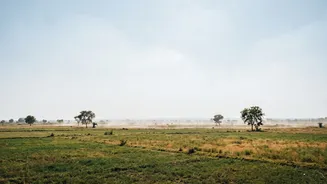
While reservoirs serve cities, a vast portion of India's population, especially in rural areas, depends on groundwater for daily needs. Groundwater aquifers are like underground reservoirs, and they are replenished by rainwater seeping through the soil. The intense downpours of mid-monsoon often lead to rapid runoff, where water flows away before it can be absorbed. September’s generally gentler rainfall is ideal for groundwater recharge, slowly percolating deep into the earth. A failure of September rains means these aquifers don't get fully recharged. This forces a greater reliance on pumping, causing water tables to drop further and making the next weak monsoon even more dangerous.
Setting the Stage for Winter Crops
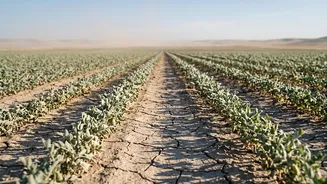
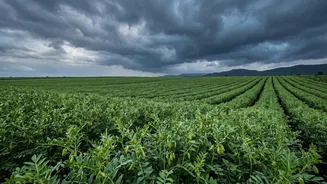
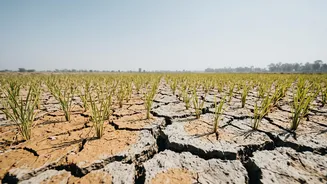
Water security is inextricably linked to food security. The moisture left in the soil by September rains is critical for the sowing of rabi (winter) crops like wheat, mustard, and pulses. Without adequate soil moisture, farmers may delay planting or switch to less water-intensive crops, impacting yields. Furthermore, the water stored in reservoirs from the monsoon is used for irrigation throughout the rabi season. A deficit in September can lead to lower agricultural output, putting upward pressure on food prices and contributing to inflation. The prospect of a dry September in 2026 has already heightened risks for the upcoming harvest after a rainfall deficit in the preceding months.
An Uneven Impact Across the Nation
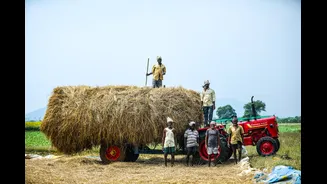
The consequences of a poor end to the monsoon are not felt uniformly. Some regions may experience normal or even above-normal rainfall while others face a significant deficit. Urban households may face scheduled water cuts, while rural families might see their wells run dry and face the dual crisis of drinking water scarcity and agricultural losses. The economic fallout also differs; urban centers might cope through engineered solutions, but for the nearly half of India's population dependent on agriculture, a failed monsoon can be devastating. As weather patterns become more erratic, the final month of the monsoon serves as a stark reminder of the nation's continued dependence on this seasonal phenomenon and the urgent need for robust water management and conservation.