





The Great Monsoon Escape
For millions across India, the months from June to September are defined by relentless rain, humidity, and the occasional flood. It’s a time when travel plans are often shelved, and weekends are spent indoors. Yet, for a growing number of adventurers,
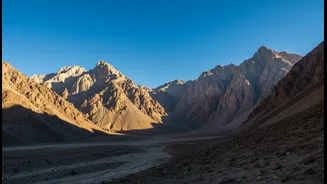
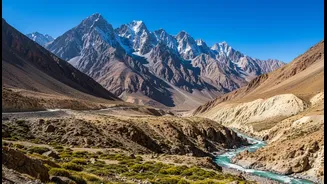
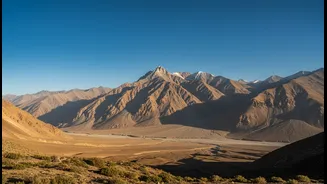
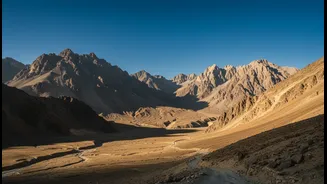
families, and road-trippers, this is the perfect season to head north. Not to the misty hills of Shimla or Darjeeling, but further, higher, and drier to the cold deserts of Spiti Valley in Himachal Pradesh and Ladakh. These regions are witnessing a surge in popularity as ideal monsoon getaways, offering a surreal escape into landscapes that remain sunny and accessible when the rest of the subcontinent is drenched.
A Trick of Geography: The Rain Shadow Effect
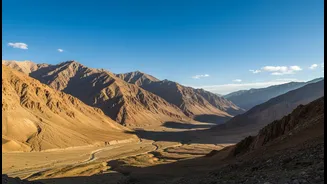
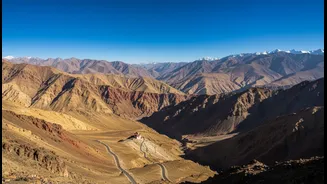
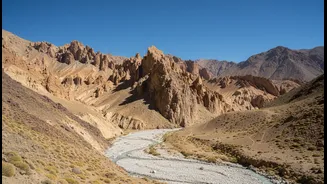
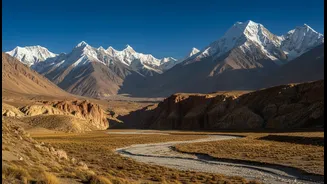
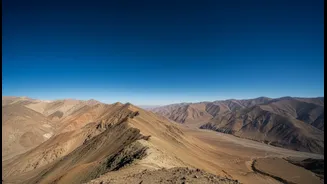
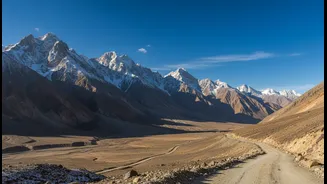
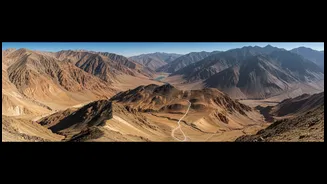
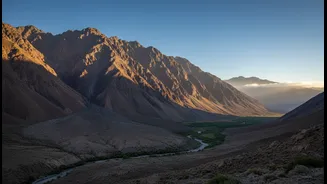
The secret behind this seemingly paradoxical travel choice lies in a simple geographical phenomenon: the rain shadow effect. The towering Himalayan ranges act as a colossal barrier, blocking the moisture-laden monsoon clouds advancing from the south. While the southern slopes of the mountains receive heavy rainfall, the trans-Himalayan regions of Ladakh and Spiti lie on the leeward side, receiving minimal precipitation. Some parts get as little as 50 mm of annual rain, a stark contrast to cities that can receive more than that in a single day. This creates a high-altitude desert climate, where travellers can enjoy clear blue skies, bright sunshine, and dry terrain, making it the perfect time for exploration.
Clear Skies and Open Roads
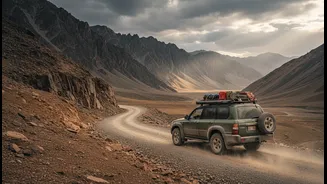
For decades, the primary travel window for these regions was limited. Today, improved infrastructure and a better understanding of the climate have changed the game. The monsoon months are now considered one of the best times to visit. Key arterial routes like the Srinagar-Leh highway and the Manali-Leh highway are fully operational, offering legendary road trip experiences. Similarly, the route to Spiti via Shimla and Kinnaur remains largely accessible, providing a gradual acclimatisation journey through stunning landscapes. While the roads leading up to these regions can sometimes face monsoon-related disruptions like landslides, once you are in the rain-shadow zone, the conditions are typically stable, making it ideal for biking, trekking, and sightseeing.
From Niche Adventure to Mainstream Destination
What was once the domain of hardcore mountaineers and intrepid bikers is now attracting a much wider audience. Ladakh, in particular, has seen a significant tourism revival, with a nearly 44% increase in arrivals in the first five months of 2026 compared to the previous year. This growth is fuelled by domestic tourists seeking unique experiences. The appeal is multi-faceted: adventure junkies find thrilling treks and mountain biking trails, photographers are mesmerised by the stark landscapes under dramatic skies, and families discover a different kind of holiday. The rise of homestays in Spiti and a well-developed hotel infrastructure in Leh means there are options for various budgets, making the region more accessible than ever.
More Than Just Landscapes
The allure of Spiti and Ladakh in the monsoon season extends beyond the weather. This period often coincides with vibrant cultural and religious festivals. In Spiti, the La Darcha Fair, a historic trade fair, brings together communities from surrounding Himalayan regions, offering a unique glimpse into local culture. The monasteries, such as Key in Spiti and Thiksey in Ladakh, are less crowded, allowing for a more peaceful and immersive spiritual experience. For stargazers, the clear, dark skies offer unparalleled views of the Milky Way, an experience that is almost impossible in the polluted and cloud-covered cities.