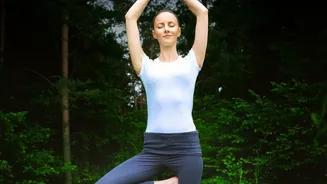





What is Mountain Pose (Tadasana)?
At first glance, Mountain Pose looks like just standing. But in yoga, it is revered as the foundational blueprint for all other standing postures. The name comes from Sanskrit, where 'Tada' means mountain and 'Asana' means pose, reflecting the stability
and stillness the posture aims to cultivate. It's an active pose that teaches the art of grounding, subtle muscular engagement, and precise alignment. By practicing how to stand with intention, you build the body awareness that carries over into more complex poses and, more importantly, into your daily life.
The Foundation of Lifelong Posture
The primary benefit of a consistent Tadasana practice is a dramatic improvement in posture. Many of us develop postural imbalances from daily habits like slouching at a desk, carrying heavy bags, or looking down at our phones. Mountain Pose acts as a reset button, retraining the body to find its natural, efficient alignment. It strengthens the thighs, ankles, and core muscles that support the spine, opens the chest for better breathing, and reduces strain on the neck and back. This isn't about forcing a rigid, military-style stance, but about discovering a relaxed power and stability that feels both strong and effortless.
A Step-by-Step Guide to the Pose
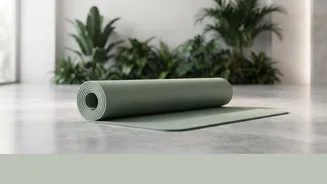
Finding your Mountain Pose is a process of building from the ground up. Start by standing with your feet either hip-width apart for more stability or with your big toes touching and heels slightly apart.1. Ground Your Feet: Lift all ten toes, spread them wide, and then place them back on the mat. Feel your weight distributed evenly across all four corners of each foot—the mounds of the big and little toes, and the inner and outer heels.2. Engage Your Legs: Gently lift your kneecaps to engage your thigh muscles (quadriceps) without locking your knees. Imagine a slight inward rotation of your upper thighs.3. Align Your Pelvis: Lengthen your tailbone toward the floor while subtly lifting the front of your pelvis. This helps find a neutral spine and avoids an arched lower back. Engaging your core by drawing your lower belly in and up will support this alignment.4. Open Your Chest: Roll your shoulders up, back, and then down, allowing your shoulder blades to settle on your back. This broadens your collarbones. Let your arms relax by your sides with palms facing forward.5. Lengthen Your Spine: Imagine a string pulling the crown of your head toward the ceiling, creating length in your neck and spine. Keep your chin level with the floor and your gaze soft and straight ahead. Breathe steadily and deeply.
Common Mistakes and How to Correct Them
Awareness is key to refining your Tadasana. Watch out for these common tendencies:- Locking the Knees: This creates strain. Always maintain a micro-bend in your knees to keep the leg muscles active.- Slouching or Over-Arching: A collapsed chest or an overly arched lower back are common. Focus on broadening the collarbones and lengthening the tailbone to find a neutral, strong core.- Uneven Weight in Feet: Many people lean forward onto their toes or back onto their heels. Actively press down through all four corners of your feet to feel grounded and balanced.- Holding Your Breath: Tension often leads to shallow breathing or holding the breath. Remind yourself to breathe deeply and evenly to calm the nervous system and stay present in the pose.
Modifications for Every Body
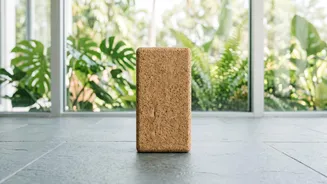
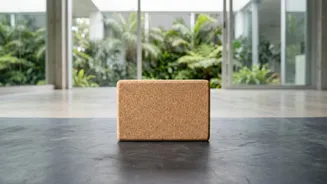
Tadasana should feel stable and empowering, not uncomfortable. If you experience challenges with balance or have specific physical conditions, modifications can make the pose more accessible.- For Balance: Stand with your feet hip-width or even wider apart. You can also practice with your back against a wall for support and feedback on your alignment.- For Low Back Pain: A wider stance can help distribute weight more easily and reduce tension in the lower back. Placing a block between your thighs and squeezing it can help you engage your inner thighs and core for better pelvic stability.- Seated Variation: Mountain Pose can be practiced while sitting on the edge of a chair with your feet flat on the floor. Focus on lengthening your spine and aligning your shoulders over your hips, making it a great posture reset at your desk.