



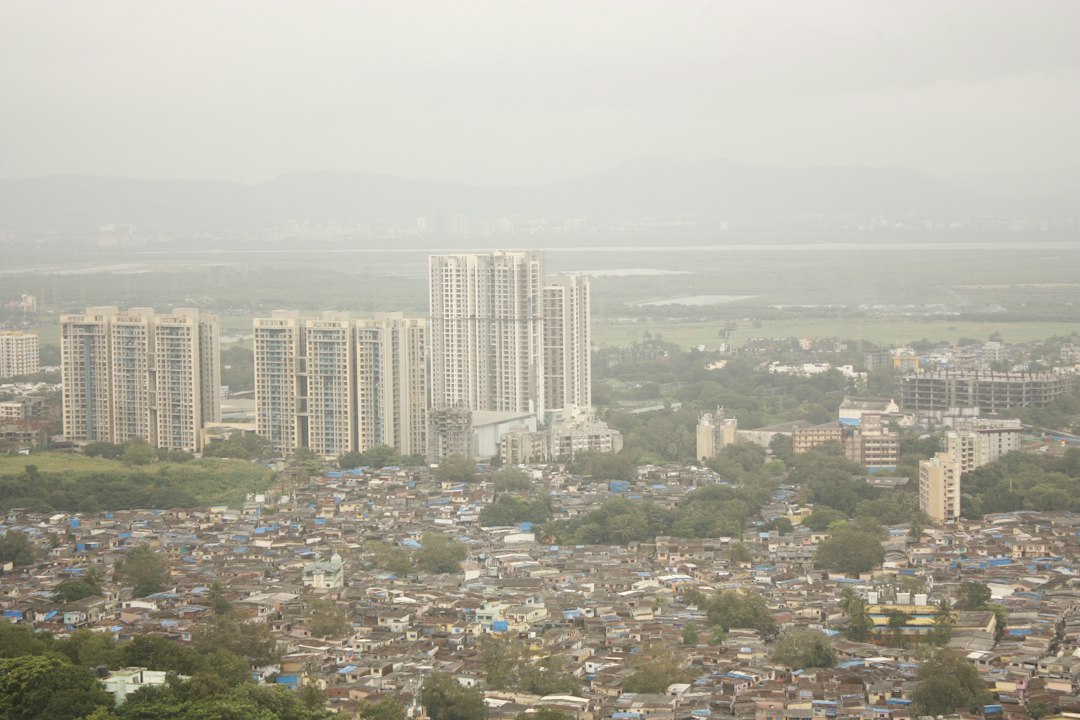
More Than Just Weather
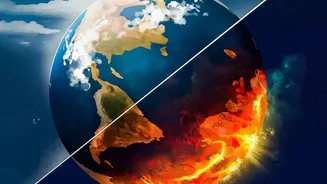
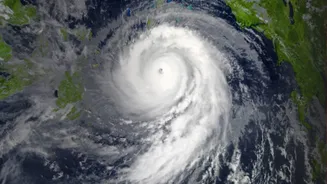
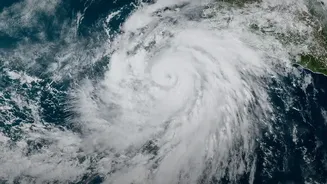
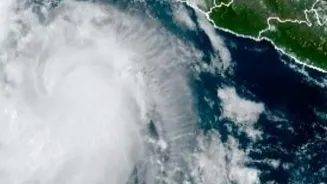
El Niño is a naturally occurring climate pattern characterized by warmer-than-usual sea surface temperatures in the tropical Pacific Ocean. This seemingly distant phenomenon has a powerful ripple effect, altering weather patterns globally. For India,
this can mean erratic monsoons, leading to both drought and intense, unpredictable rainfall. The World Health Organization (WHO) has identified India as a country at high risk for public health impacts from the 2026-27 event, activating its highest internal emergency response level to prepare for the consequences. Scientists warn this El Niño could be one of the strongest in recent history, making its health implications particularly severe.
A Surge in Mosquito-Borne Diseases
One of the most immediate threats is a surge in vector-borne diseases. Altered temperature and rainfall create ideal breeding conditions for mosquitoes, the carriers of dengue, malaria, and chikungunya. The WHO has specifically flagged dengue as a high risk for India under these conditions. Warmer temperatures can accelerate mosquito breeding cycles and the incubation period of viruses they carry. Paradoxically, drought can also contribute to the problem. As water becomes scarce, households often store it in containers, which can become perfect breeding grounds for Aedes mosquitoes if left uncovered. This means communities could face a heightened threat from these diseases even in areas not experiencing heavy rain.
The Twin Threats of Drought and Flood
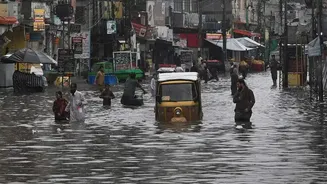
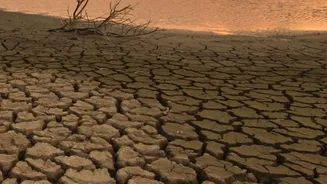
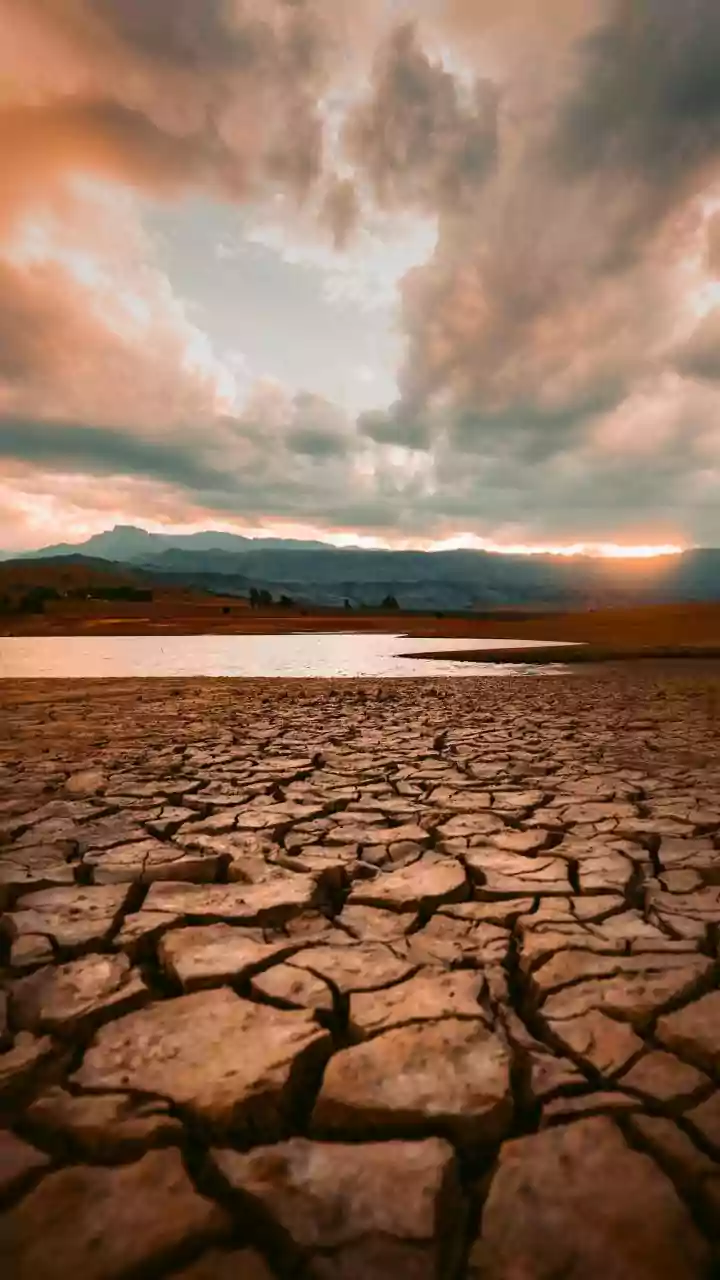
El Niño's disruption of rainfall patterns presents a dual challenge: some regions may face severe drought while others experience intense flooding. Both extremes carry significant health risks. Floods can contaminate drinking water sources, leading to outbreaks of waterborne diseases like cholera, typhoid, and leptospirosis. Drought, on the other hand, leads to water scarcity, which affects hygiene and sanitation. This scarcity can force communities to rely on unsafe water sources, similarly increasing the risk of gastrointestinal illnesses. These conditions put immense pressure on public infrastructure and can quickly overwhelm local health systems.
Extreme Heat and Air Quality
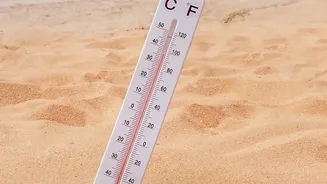
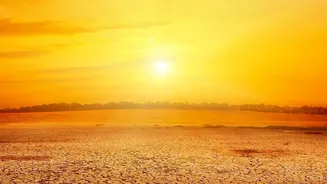
Alongside rainfall changes, El Niño is associated with higher global temperatures. India could experience more frequent and intense heatwaves, posing a direct threat to human health. Extreme heat can cause dehydration, heat exhaustion, and life-threatening heatstroke, with outdoor workers, the elderly, and children being particularly vulnerable. The risk doesn't stop there. Drought conditions can also lead to an increased risk of wildfires. The resulting smoke and poor air quality can cause severe respiratory problems, exacerbating conditions like asthma and placing further strain on cardiovascular health.
Food Security and Malnutrition
The climatic disruptions caused by El Niño directly threaten agricultural productivity. Failed harvests due to either drought or flooding can lead to food shortages and rising food prices. This can result in increased malnutrition, especially among the most vulnerable populations like children and pregnant women. A malnourished population has weakened immune systems, making people more susceptible to infectious diseases and creating a vicious cycle of poor health. The WHO has identified malnutrition as one of the most serious concerns associated with the current El Niño event.