







The Backlash Against 'Productivity' Lighting
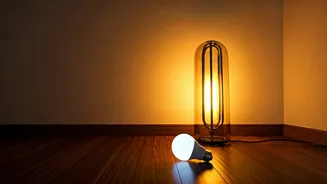
Remember the push for stark, blue-white LED bulbs? They were sold to us as the key to productivity, cleanliness, and modernity. Kitchens, home offices, and living rooms were illuminated with the same intensity as a hospital ward or a corporate boardroom.
The aesthetic was clean, minimalist, and efficient. But after years of living under this glare, many are feeling the strain. This kind of lighting can feel sterile, unwelcoming, and even agitating. It keeps you alert, but it doesn't help you relax. The home, especially in a post-pandemic world, is no longer just a place to be productive; it's a sanctuary for rest and recuperation. The stark white bulb, with its corporate-cool undertones, simply doesn't fit this new definition of home.
The Simple Science of Warmth
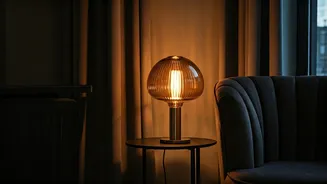
The difference between harsh white and cozy amber light isn't just a matter of taste; it’s measurable science. Light colour is measured on the Kelvin (K) scale. Cool, blue-white light, similar to daylight, sits high on the scale, typically between 4000K and 6500K. This is the light that signals ‘daytime’ to our brains, boosting alertness. In contrast, warm, amber, and golden light sits at the lower end, from 2200K to 3000K. This mimics the light of a candle flame or a sunset. For millennia, this type of light has signalled to our bodies that it’s time to wind down, relax, and prepare for rest. By choosing bulbs in this lower Kelvin range, we are tapping into a primal instinct for comfort and safety, creating an atmosphere that feels inherently calming and human.
Hygge, Wellness, and the Rise of Comfort
This lighting shift is part of a much larger cultural movement. Concepts like the Danish 'hygge'—a quality of coziness and comfortable conviviality that engenders a feeling of contentment—have gone mainstream. We are increasingly prioritising wellness and mental health, and our home environments are the first frontier. A home filled with soft, layered, ambient light feels more like a warm hug than a sterile box. It encourages you to slow down, curl up with a book, or have a meaningful conversation. This desire for a nurturing space has only intensified as our lives become more digital and fast-paced. The amber glow is an antidote to the harsh blue light of our screens and the relentless pace of modern life.
How to Achieve the Perfect Amber Glow
Making the switch is easier than you think. Start by checking your current bulbs. Most packaging now clearly states the Kelvin rating. For living rooms, bedrooms, and dining areas, look for bulbs labelled 'Warm White' or with a rating between 2700K and 3000K. For an even cozier, more vintage feel, 'Amber' or 'Vintage Edison' bulbs fall around 2200K. Smart bulbs are another excellent option, allowing you to adjust the colour temperature throughout the day—brighter and cooler for morning tasks, and warmer and dimmer for evening relaxation. Don’t be afraid to mix and match. The goal is to create pools of warm light rather than illuminating every corner with a single, flat overhead source.
Layering Light for Maximum Coziness
Great lighting is about more than just the bulb. It's about layering. Start with your ambient (overall) lighting from a ceiling fixture, but keep it soft and preferably on a dimmer switch. Next, add task lighting—a reading lamp by a chair, or under-cabinet lights in the kitchen. Finally, add accent lighting: a small lamp on a bookshelf, an uplighter behind a plant, or even string lights. This layered approach creates depth, dimension, and visual interest. The choice of lampshade is also crucial. A fabric, paper, or rattan shade will diffuse light far more warmly than a glass or metal one, contributing significantly to that sought-after amber ambiance. It’s this combination of the right bulb, strategic placement, and thoughtful fixtures that truly banishes the sterile white glare for good.