



The Healthy Swap: Why Air Frying Wins
The primary difference between deep frying and air frying lies in the oil. Deep frying submerges food in hot oil, which it then absorbs, significantly increasing its fat and calorie content. Air fryers, on the other hand, use powerful fans to circulate
hot air at high speed, creating a crispy exterior with minimal oil. This method can reduce the calories and fat in snacks by as much as 70-80%. For example, a single deep-fried samosa can have around 250-300 calories, while its air-fried counterpart might only have 180-220. This simple switch contributes to better weight management and cardiovascular health by drastically cutting down on unhealthy trans fats and saturated fats. Reducing fried food intake also lowers the risk of chronic issues like heart disease and type 2 diabetes.
Golden Rules for Perfect Air-Fried Snacks
Converting a traditional deep-fried recipe for an air fryer is simple if you follow a few key principles. First, always preheat your air fryer for a few minutes; this helps in creating a crispy texture from the moment the food goes in. Second, don't overcrowd the basket. Food needs space for the hot air to circulate and cook it evenly. Work in batches if necessary. Third, a little oil goes a long way. While some recipes can be made with no oil, a light spray or brushing of oil on your snacks helps achieve that perfect golden-brown crispness. Finally, be prepared to adjust. Air fryer models vary, so you might need to tweak cooking times and temperatures. It's often best to start at a lower temperature to cook the inside and then increase it for the final few minutes to crisp up the outside.
Reinventing the Classic Pakora
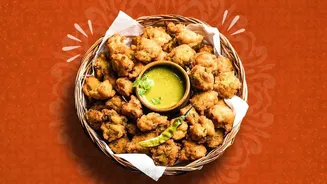
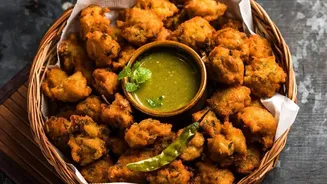
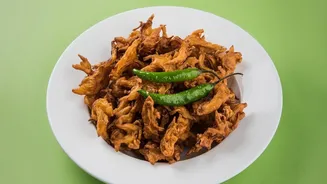
The beloved pakora is surprisingly easy to adapt for the air fryer. The key is to get the batter consistency right. For air frying, the batter needs to be slightly thicker and stickier than what you'd use for deep frying. This helps it cling to the vegetables without dripping through the basket. A good rule of thumb is to use just enough water to bind the besan (gram flour), spices, and vegetables. Once your batter is ready, spoon small portions into the preheated air fryer basket, ensuring they don't touch. Air fry at around 180°C for 10-12 minutes, flip them, and cook for another 5-8 minutes until they are golden and crisp. You get the same crunchy, flavourful fritter with a fraction of the oil.
Beyond Pakoras: Healthier Samosas and Tikkis
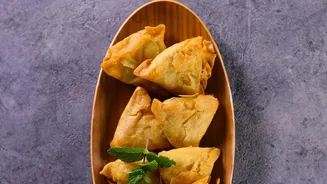
The magic of the air fryer isn't limited to pakoras. You can give many popular Indian snacks a healthy makeover. For samosas, whether you're making them from scratch or using frozen ones, a light brush of oil is all you need. Air fry them at about 180-190°C for 12-15 minutes, flipping halfway through, until the pastry is flaky and golden. Aloo tikkis also turn out beautifully. Simply shape your spiced potato mixture into flat rounds, brush with a touch of oil or ghee, and air fry at 200°C for about 12 minutes. They become wonderfully crisp on the outside while remaining soft on the inside, proving you don't need a pan full of oil for that perfect texture. Other great options include vegetable cutlets, paneer tikka, and even crispy bhindi.
Maximising Flavour Without the Fat
One concern with healthier cooking methods is a potential loss of flavour. However, with Indian snacks, the flavour comes from the spices, not the oil. This is your opportunity to be bold with your seasoning. Don't be shy with ginger, garlic, green chillies, coriander, and your favourite masalas. Marinating ingredients like paneer or vegetables before air frying allows them to absorb the flavours deeply. Using fresh, high-quality spices makes a noticeable difference. A sprinkle of chaat masala or amchur (dry mango powder) after cooking can add a final zesty kick that makes these snacks utterly irresistible and proves that a healthy snack can be more flavourful than its deep-fried cousin.