


Why Monsoon is Tough on Pet Skin
The combination of warmth and constant moisture is a recipe for trouble. During the monsoon, humidity levels can soar, meaning your pet’s coat takes much longer to dry after a walk in the rain or even just from the ambient moisture in the air. This damp
fur, held close to the skin, creates a warm, low-oxygen environment that is an ideal breeding ground for bacteria and fungi that normally live harmlessly on your pet's skin. When these microorganisms multiply unchecked, it can lead to a host of uncomfortable and often painful skin infections. Vets across India report a significant spike in pets presenting with skin issues during the rainy season, from June to September.
The Most Common Monsoon Skin Problems
Two of the most frequent issues are fungal infections and bacterial infections known as 'hot spots' or acute moist dermatitis. Fungal infections, like yeast dermatitis or ringworm, often appear as itchy, scaly, or greasy patches of skin with a distinct musty odour. They thrive in perpetually damp areas like between the toes, in ear canals, and within skin folds. Hot spots are red, raw, and painful lesions that can appear suddenly and spread rapidly, often within hours. They are intensely irritating, causing a pet to lick and chew at the area, which only worsens the inflammation and can lead to secondary infections.
Drying is a Non-Negotiable Habit
The single most important habit to adopt during monsoon is to dry your pet thoroughly every time they get wet. A quick rub with a towel is often not enough, especially for pets with thick or double coats where moisture gets trapped in the undercoat. After towelling off excess water, consider using a pet-safe blow dryer on a low-heat, low-speed setting to ensure the fur is dry right down to the skin. Pay special attention to the armpits, groin, ears, and belly, as these areas are notorious for trapping dampness.
The Power of Daily Brushing
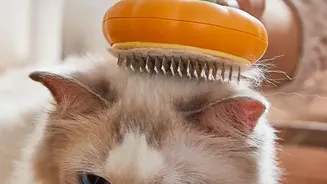
Brushing your pet daily during the monsoon does more than just control shedding. It is a critical grooming step that prevents matted fur, which can trap moisture and dirt against the skin. Regular brushing improves air circulation to the skin's surface, helping it to stay dry and healthy. It also serves as a daily check-up, allowing you to spot any early signs of trouble like redness, parasites such as ticks and fleas which are more active in this weather, or unusual odours before they become major problems.
Paw and Ear Care are Paramount
Your pet’s paws are on the front line, constantly in contact with muddy puddles and wet surfaces that can harbour bacteria. After every single walk, clean their paws with warm water and dry them completely, especially between the toes where yeast infections love to start. Similarly, the ears, particularly in floppy-eared breeds, can trap moisture and become a hotspot for infections. Gently wipe the outer part of the ears dry with a soft cloth and consult your vet about a suitable cleaning solution to maintain ear hygiene.
Bathing: Adjust for the Season
While it might seem logical to bathe your pet more often to combat mud and smells, over-bathing can strip their coat of natural, protective oils, making the skin more vulnerable. Stick to a bathing schedule of only when necessary, perhaps every two to three weeks, unless they are excessively dirty. When you do bathe them, consider using a vet-approved medicated or antifungal shampoo as a preventive measure, and always ensure they are dried completely afterwards.