

An Ancient Answer to a Modern Problem
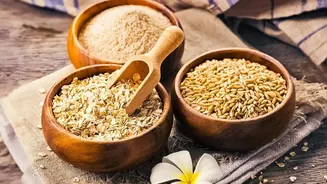
For thousands of years, long before rice and wheat dominated Indian kitchens, millets were the primary grains that nourished entire civilisations. Known by regional names like Ragi, Jowar, Bajra, and Kangni, these tiny grains are not just a relic of the past;
they are a solution to the modern family's snacking dilemma. Unlike their commercially hybridised counterparts, heritage millets are grains that have remained largely unchanged for centuries, retaining their original nutritional integrity and resilience. Cultivated in India for over 5,000 years, these crops are naturally hardy, requiring less water and fewer pesticides, making them a sustainable choice for both your family and the environment. Making them a part of your pantry is less of a trend and more of a return to roots—a conscious choice to embrace foods that are deeply nourishing and intrinsically Indian.
The Nutritional Advantage for All Ages
So, what makes these ancient grains an essential upgrade? The answer lies in their dense nutritional profile. Heritage millets are naturally gluten-free, making them an excellent choice for anyone with sensitivities or celiac disease. They are packed with high-quality, plant-based protein and are exceptionally rich in dietary fibre. This high fibre content aids digestion, promotes gut health, and creates a feeling of fullness, which helps prevent overeating and keeps snack cravings at bay. Furthermore, millets have a low glycemic index, meaning they release sugar into the bloodstream slowly. This helps maintain stable energy levels, preventing the sugar crashes often associated with refined snacks—a huge benefit for active children and adults managing blood sugar. They are also a treasure trove of essential minerals like iron, calcium, magnesium, and zinc, which are vital for everything from bone health to brain function.
Meet the Millet Family
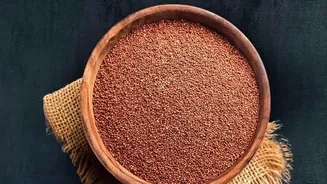
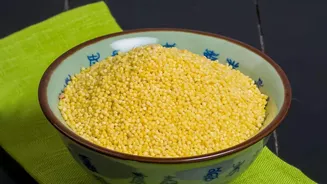
India is home to a diverse family of millets, each with a unique flavour and benefit. Getting to know them is the first step to incorporating them into your diet. Major millets like Jowar (Sorghum), Bajra (Pearl Millet), and Ragi (Finger Millet) are widely known. Ragi, for instance, is a calcium powerhouse, making it fantastic for growing kids. Bajra is rich in iron and traditionally eaten in winter for its warming properties. The 'minor millets' are where things get even more interesting. Foxtail Millet (Kangni) is praised for its role in blood sugar management. Barnyard Millet (Sanwa), often used during fasts, is incredibly light on the digestive system. Little Millet (Kutki) and Kodo Millet (Varagu) are other versatile grains perfect for everyday cooking. Don't be intimidated by the names; think of them as different types of grains, each suited for a different dish.
Snack Time, Reimagined
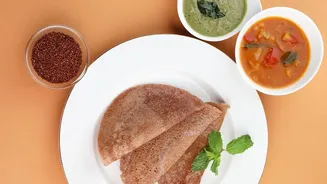
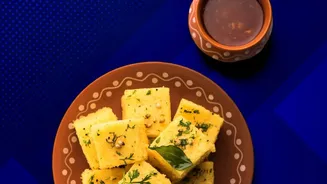
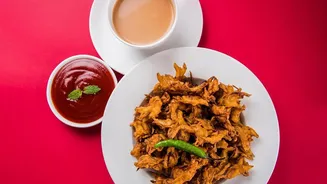
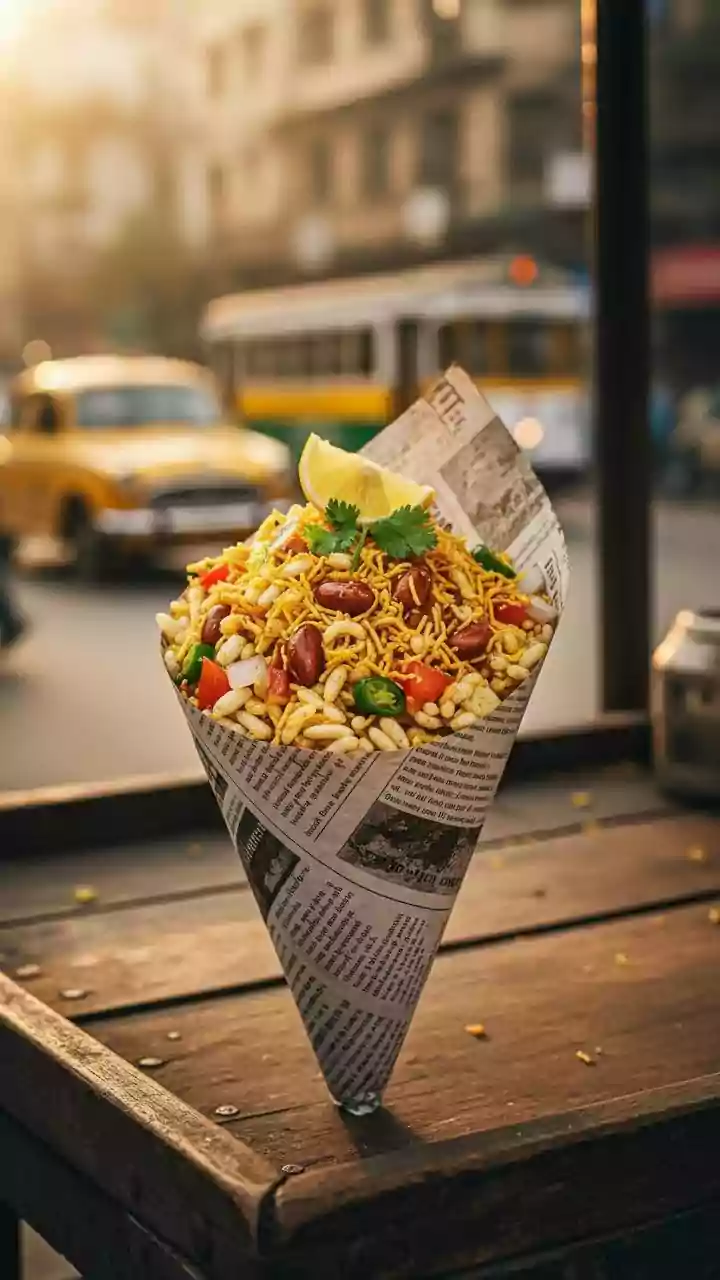
The true magic of millets unfolds when you move beyond traditional rotis and porridges and bring them into your snack routine. Their versatility makes it easy to create healthy, delicious treats that the whole family will love. Instead of store-bought cookies, try baking a batch of Ragi and oat crackers. You can whip up a quick and savoury 'cheela' or pancake using Jowar flour, mixed with finely chopped vegetables for a fibre-rich evening snack. For a crunchy, guilt-free munch, consider making a mixed millet bhel puri, replacing puffed rice with roasted millet flakes and puffed amaranth. You can even create mini millet cutlets with boiled potatoes and vegetables, coated in breadcrumbs and shallow-fried. For a sweet treat, energy balls made from ragi flour, dates and nuts are a no-cook option that's ready in minutes. These snacks are not only healthier but also provide a more satisfying and sustained form of energy.
Making the Switch Simple
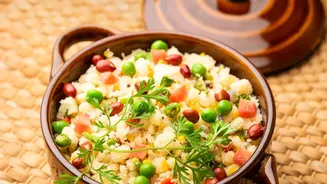
Adopting heritage millets doesn't require a complete overhaul of your kitchen. The key is to start small and make gradual swaps. Begin by introducing one type of millet per week. Try replacing a portion of wheat flour with millet flour in your regular roti or dosa batter. Use Foxtail millet as a substitute for rice in a pulao or khichdi; its texture is remarkably similar. Involve your children in the process by letting them help roll millet laddus or shape cutlets. The more familiar they become with the ingredients, the more likely they are to enjoy the final dish. Remember that consistency is more important than perfection. By slowly integrating these nutrient-dense grains, you can significantly enhance your family's nutritional intake without sacrificing taste or convenience.