



Jewel-Toned Pomegranates
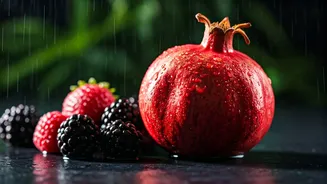
There’s something uniquely satisfying about pomegranates, especially on a day when you’re stuck inside. The process of de-seeding the fruit is a meditative, rewarding task that pays off in a bowl of glistening, ruby-red arils. Pomegranates typically come
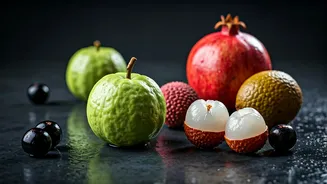
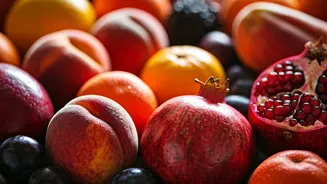
into season in the fall, just as the weather begins to turn cooler and wetter. They are packed with powerful antioxidants, particularly punicalagins, which can help protect the body from free radical damage and reduce inflammation. A strong antioxidant profile is a great ally for your immune system, which can be under more stress during seasonal changes. Sprinkle the arils on yogurt, toss them into a salad for a juicy crunch, or simply eat them by the spoonful for a healthy, vibrant treat.
Comforting, Crisp Pears
Often overshadowed by apples, pears are a quintessential fruit for the damper, cooler months. With a harvest season that peaks in the fall, they are at their most flavorful when the rain starts to fall. Pears are an excellent source of soluble and insoluble fiber, which is crucial for digestive health and promoting a feeling of fullness. A healthy gut is a cornerstone of a strong immune system. The gentle, sweet flavor and soft, buttery texture of a ripe pear can feel incredibly comforting. Varieties like Bosc or Anjou are fantastic for eating raw, while firmer types are perfect for baking into a warm dessert—the ultimate rainy-day comfort food. Plus, they are about 84% water, making them a good source of hydration.
A Burst of Sunshine: Citrus
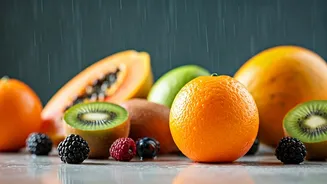
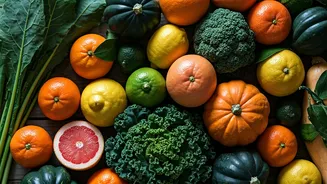
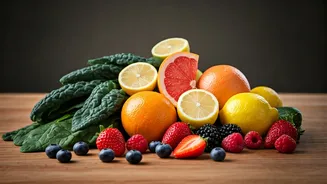
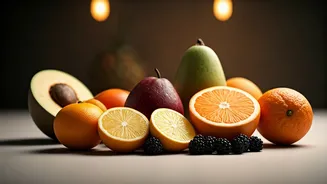
When the world outside is gray and dreary, bringing a little bit of sunshine into your kitchen can do wonders for your mood. Citrus fruits like oranges, grapefruits, and clementines are the perfect antidote to gloomy weather. Their bright, zesty aroma is an instant mood-lifter, and their flavor is a welcome jolt of energy. Most importantly, citrus is famous for its high vitamin C content. Vitamin C is a vital nutrient for immune function, helping to stimulate the production of white blood cells that fight off infections. While citrus season peaks in the winter, you can find them readily available as the rainy autumn weather sets in, making them a perfect staple for fending off seasonal sniffles.
The Ever-Reliable Apple
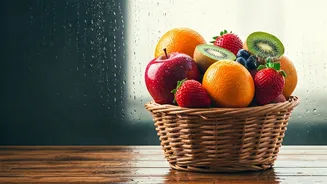
An apple a day might not literally keep the doctor away, but it’s a habit that certainly helps, especially during rainy seasons when we tend to be more sedentary. Apples are an icon of autumn in the U.S., with countless varieties to explore. They are a fantastic source of dietary fiber and a flavonoid called quercetin, which has been studied for its antioxidant and anti-inflammatory effects. A crunchy apple can be a satisfyingly healthy snack, and its versatility is unmatched. Slice it up with some peanut butter, bake it into a pie that fills your home with a warm scent, or press it into fresh cider. It’s a simple, accessible, and delicious way to fortify your body against the changing seasons.
Underrated, Mighty Kiwis
Don’t let their fuzzy brown exterior fool you; kiwis are a nutritional powerhouse. While available year-round, they are an excellent choice for immune support during wet and dreary months. A single kiwi can provide more than your daily recommended intake of vitamin C, even out-pacing an orange in some cases. They are also a good source of vitamin K, vitamin E, and potassium. Some research suggests that the combination of antioxidants and serotonin in kiwis may help improve sleep quality and mood—two things that can often take a hit during long stretches of bad weather. Their vibrant green color and tangy-sweet taste make them a delightful addition to fruit salads or a simple, scoopable snack on their own.