




The 'Hydrogen for Heritage' Initiative
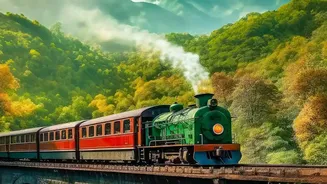
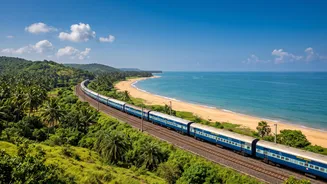
Indian Railways has launched a forward-thinking project named 'Hydrogen for Heritage'. The core objective is to replace traditional diesel locomotives on its narrow-gauge heritage routes with trains that run on hydrogen fuel cells. This ambitious plan
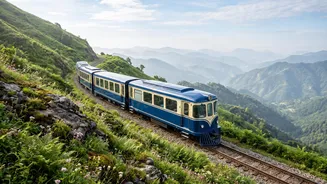
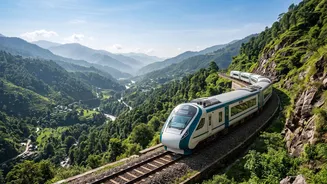
targets some of the country's most cherished and ecologically sensitive railway lines, including the Kalka-Shimla Railway, the Darjeeling Himalayan Railway, and the Nilgiri Mountain Railway. The initiative is part of a larger strategy to make Indian Railways a net-zero carbon emitter by 2030, demonstrating a commitment to sustainable tourism and transport. The project involves rolling out 35 hydrogen trains across these specially selected routes, preserving their old-world charm while eliminating harmful emissions.
How Hydrogen Power Works
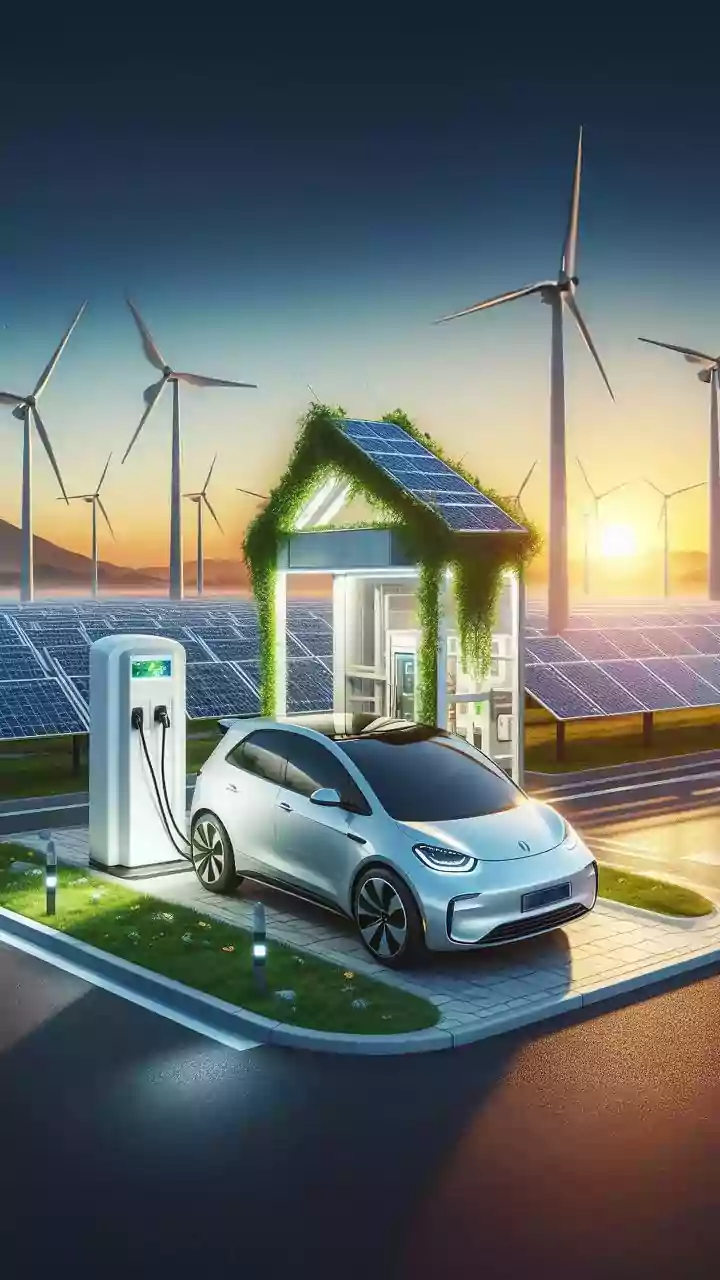
Unlike conventional trains that burn diesel, a hydrogen train is essentially an electric vehicle that generates its own power onboard. The technology revolves around a fuel cell, which acts as a mini power plant. Inside the cell, hydrogen stored in tanks on the train reacts with oxygen taken from the air. This electrochemical reaction produces electricity to power the motors, with the only byproduct being water vapour, making it a zero-emission mode of transport. This process is quiet and clean, a stark contrast to the noise and fumes of diesel engines. The electricity can also be stored in batteries to provide extra power when needed, such as during acceleration or when climbing steep gradients.
Why Target Scenic Mountain Lines?
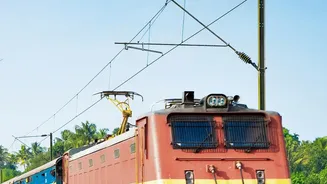
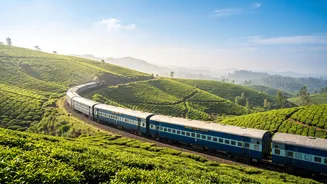
The decision to prioritise heritage mountain railways is highly strategic. These lines, many of which are UNESCO World Heritage sites, run through pristine and fragile ecosystems where pollution is a major concern. Diesel engines contribute to both air and noise pollution, detracting from the natural beauty that attracts tourists. Furthermore, electrifying these routes with overhead cables is often impractical and undesirable. The difficult terrain, sharp curves, and numerous tunnels make construction extremely challenging and expensive. More importantly, erecting poles and wires would permanently alter the aesthetic and heritage value of these iconic landscapes. Hydrogen trains offer a perfect solution: they provide clean, electric traction without the need for unsightly and invasive overhead infrastructure.
From Pilot Project to Nationwide Rollout
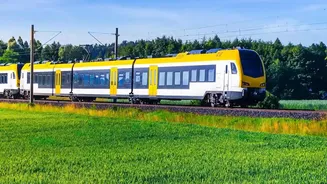
The journey towards hydrogen-powered heritage railways began with a pilot project to test the technology's viability in Indian conditions. A prototype was developed by retrofitting an existing Diesel Electric Multiple Unit (DEMU) and successfully tested on the Jind-Sonipat section in Haryana, beginning in July 2026. This initial phase allows engineers to monitor performance, address safety protocols, and refine the technology before a wider implementation on the more challenging mountain terrains. Following these trials, Indian Railways plans a phased rollout across the designated heritage lines. This involves not just retrofitting the trains but also setting up ground infrastructure for hydrogen production, storage, and refuelling at key locations like Kalka, Barog, and Shimla.
Overcoming the Financial and Technical Hurdles
While the vision is compelling, the transition to hydrogen is not without challenges. The initial costs are significant, with each train estimated to cost around ₹80 crore and the supporting ground infrastructure an additional ₹70 crore per route. The running cost is also expected to be higher than diesel initially, though it is projected to fall as the technology matures and green hydrogen production scales up under India's National Green Hydrogen Mission. There are also technical hurdles, such as safely storing highly combustible hydrogen gas onboard and ensuring the system's reliability on steep gradients and in varying weather conditions. However, Indian Railways is tackling these issues by developing indigenous technology and leveraging a retrofitting model to manage costs, positioning India among the few nations pioneering this green rail revolution.