

The Cook's Logical Fallacy
It feels intuitive, right? If you use half the flour, sugar, and butter, surely the dish should be ready in half the time. This line of thinking is tempting, but it ignores the fundamental science of cooking. Cooking isn't just about amounts; it's a complex
dance of heat transfer, chemistry, and physics. Processes like browning, evaporation, and leavening don't scale in a simple, linear way. The oven's heat is constant, and chemical reactions have their own timetables. Assuming a 50% ingredient reduction equals a 50% time reduction is a recipe for either an undercooked or a disappointingly dry result. The reality is far more nuanced.
The Science of Surface Area and Volume
One of the biggest reasons time doesn't scale is the relationship between surface area and volume. When you halve a recipe, you decrease the total volume, but the ratio of surface area to that volume changes dramatically. A smaller piece of food has a proportionally larger surface area exposed to heat. This means it absorbs energy differently. Think of it like ice cubes: a large block of ice melts slower than the same amount of ice crushed into small pieces because more surface area is exposed to the warmer air. In cooking, this can mean the outside of your smaller cake might cook and brown much faster than the center is ready.
The Baking Pan Predicament
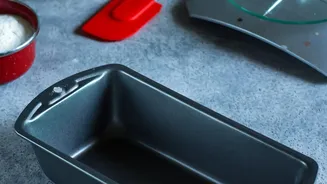
When you halve a cake or brownie recipe, you logically reach for a smaller pan. But this is a critical variable. A smaller pan changes the depth of the batter. If the batter is shallower in the new pan, it will likely cook faster, but if it's deeper, it will take longer for the center to cook through, risking dry edges. The material of the pan also plays a role; a dark metal pan absorbs more heat than a glass one, which can alter cooking times. Recipe developers choose specific pan sizes for a reason, as they are crucial to how the heat circulates and ensures an even bake.
Evaporation, Browning, and Flavour
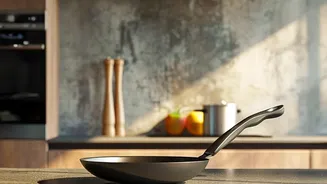
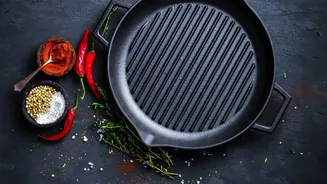
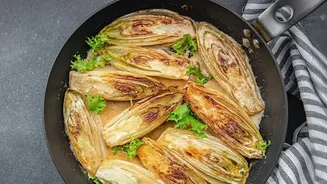
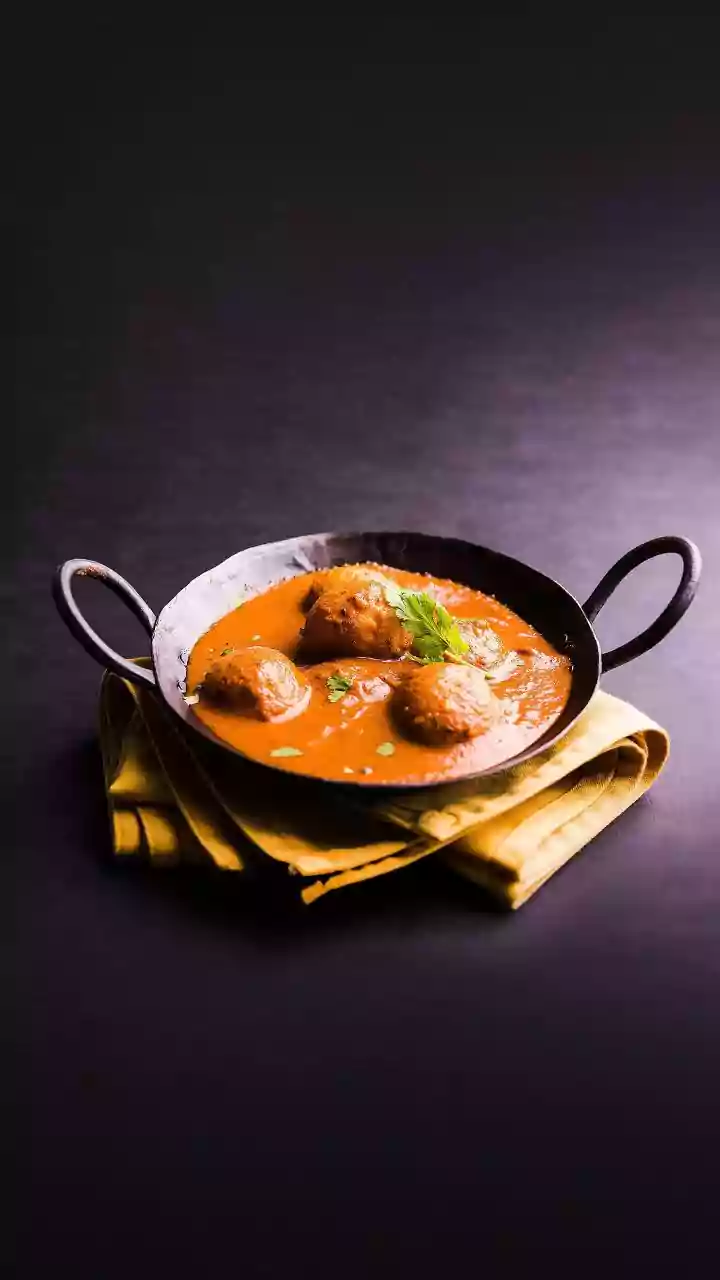
For stovetop dishes like sauces, stews, or curries, time serves a purpose beyond simply cooking the ingredients. Simmering allows water to evaporate, which concentrates flavours and thickens the consistency. While a smaller volume of liquid will come to a boil faster, the time needed for that flavour-concentrating evaporation doesn't necessarily get cut in half. Searing meat for a stew is another example. If you crowd a smaller pan with half the amount of meat, you risk steaming it instead of achieving a flavourful brown crust, which defeats the purpose of the step entirely.
How to Actually Adjust Your Timing
So if you can't just divide the time by two, what should you do? The best approach is to use the clock as a guide, not a rule. A good starting point is to begin checking for doneness at around two-thirds of the original recipe's cooking time. For a recipe that originally called for 30 minutes, start checking around the 20-minute mark. For cakes, use the toothpick test. For meats, an instant-read thermometer is your most reliable tool. For sauces, look for the desired consistency. Your senses—sight, smell, and touch—are far more valuable than blindly following a timer.