





The Nuts and Bolts of the Study
Researchers at Maastricht University Medical Center in the Netherlands set out to explore the connection between peanuts and brain health. Their study involved 31 healthy adults aged between 60 and 75. In a well-designed trial, participants were asked
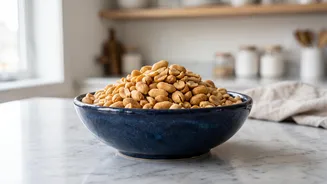
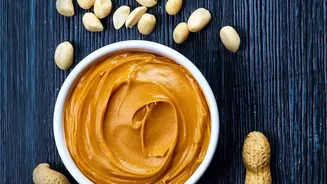
to consume 60 grams of unsalted, skin-roasted peanuts—roughly two small handfuls—every day for 16 weeks. Then, after a break, they had a 16-week period with no peanuts to serve as a comparison. This crossover design allowed scientists to see the direct effects of the peanut intervention on each individual.
A Boost in Brain Blood Flow
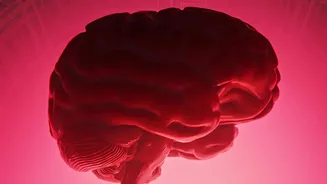
The study's most significant finding, and the one that created a buzz, relates to cerebral blood flow (CBF). CBF is a crucial measure of the amount of blood, and therefore oxygen and nutrients, reaching the brain. Using advanced MRI techniques, the researchers found that after 16 weeks of eating peanuts, participants saw a 3.6% increase in their overall brain blood flow. The blood flow to their grey matter, the part of the brain dense with neurons, increased even more, by 4.5%. These improvements suggest a positive effect on the brain's vascular function, which naturally tends to decline with age.
Connecting Blood Flow to Memory
So, what does better blood flow mean for your mind? The study found a direct link to cognitive performance. Participants showed a 5.8% improvement in verbal memory. In a specific test, they were able to correctly recall more words from a list after a 20-minute delay. The researchers believe that the improved vascular function is a key reason for this memory boost. Essentially, by helping the brain's blood vessels work more efficiently, peanuts may help support the mechanisms we rely on for memory and learning. Interestingly, while verbal memory improved, the study did not find significant effects on other cognitive areas like executive function or processing speed.
Why Peanuts? The Power of Their Nutrients
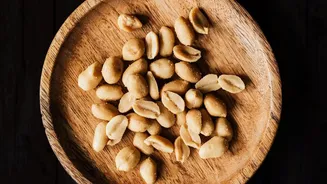
The secret may lie in the unique combination of nutrients found in peanuts, particularly in their thin, papery skins. Peanuts are rich in L-arginine, an amino acid that the body uses to create nitric oxide, a compound that helps relax blood vessels and improve circulation. They are also packed with polyphenols like resveratrol, a powerful antioxidant known to support vascular health and provide neuroprotective benefits. The choice of skin-roasted peanuts in the study was deliberate, as the skin contains a high concentration of these beneficial compounds. The study also noted a welcome side effect: a decrease in participants' systolic blood pressure.
A Handful of Advice
While these findings are promising, it's important to see them in context. This was a relatively small study, but its rigorous design adds weight to the results. It contributes to a growing body of evidence, including the MIND diet, which recommends regular nut consumption for brain health. For those looking to incorporate the potential benefits into their routine, the study provides a clear guideline: about two servings (60g) of unsalted, skin-roasted peanuts daily. Opting for peanuts with the skin on seems to be key to getting the full range of bioactive compounds. As always, a balanced diet full of varied, nutrient-dense foods is the best strategy for overall health, but this research suggests that a simple handful of peanuts could be a smart and tasty addition for your brain.