

Understanding the September Forecast
September is a fascinating month for weather-watchers in India. It marks the beginning of the southwest monsoon's withdrawal, a process that typically starts from the northwestern parts of the country around the first week and proceeds southeastward over
the following weeks. For 2026, forecasts suggest a complex picture. The India Meteorological Department (IMD) has indicated that rainfall for September is likely to be below normal for the country as a whole. However, this doesn't mean dry conditions everywhere. A low-pressure system is expected to bring rain to eastern and central India in the first week, while other regions begin to dry out. This creates a patchwork of climates, offering distinct advantages depending on where you go.
North India: Clear Skies and Mountain Adventures
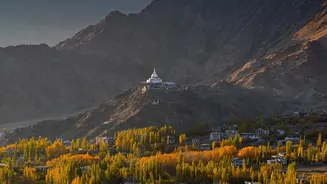
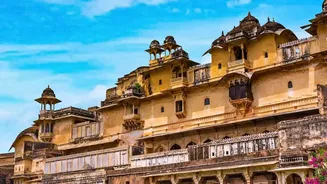
For those seeking clear skies and pleasant temperatures, North India is a prime choice in September. States like Rajasthan, Punjab, and Delhi see a significant reduction in rainfall as the monsoon recedes. This is an ideal time to explore the forts and palaces of cities like Jaipur and Udaipur, which are adorned with post-monsoon greenery without the intense summer heat or peak season crowds. In the Himalayas, September is a golden month. In places like Ladakh and Spiti Valley, the weather is crisp and the roads are generally clear, making it perfect for road trips and trekking before the winter snow arrives. Kashmir, particularly Srinagar, also becomes idyllic, with calm lakes and blooming gardens.
South India: Lush Landscapes and Late Showers
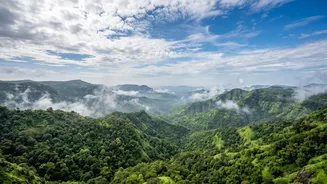
While the monsoon may be withdrawing from the north, it often lingers in the south. However, this shouldn't deter travellers. Kerala's backwaters in Alleppey and the tea gardens of Munnar are breathtakingly lush and vibrant after months of rain. While you can still expect showers, they are often intermittent, leaving plenty of time for houseboat cruises or exploring the landscape. Similarly, hill stations in Tamil Nadu like Kodaikanal and Ooty, and the coffee estates of Chikmagalur in Karnataka, offer a misty, romantic ambiance. This is also a great time to find deals on accommodation before the peak tourist season kicks off in October.
West and Central India: A Tale of Two Coasts
The western and central parts of India present a mixed bag in September. In Maharashtra, the Western Ghats, including destinations like Lonavala and Mahabaleshwar, are still draped in monsoon greenery with waterfalls in full flow. It's a great time for a weekend trip from Mumbai or Pune, though some trails might be slippery. Goa sees the tail-end of the rains, meaning the party season hasn't quite started, but you can enjoy verdant landscapes and quiet beaches at lower prices. Further inland, states like Madhya Pradesh begin to dry out, making it a good time to visit destinations like Orchha and Ujjain as the weather becomes more manageable.
East and Northeast India: The Monsoon's Final Bow
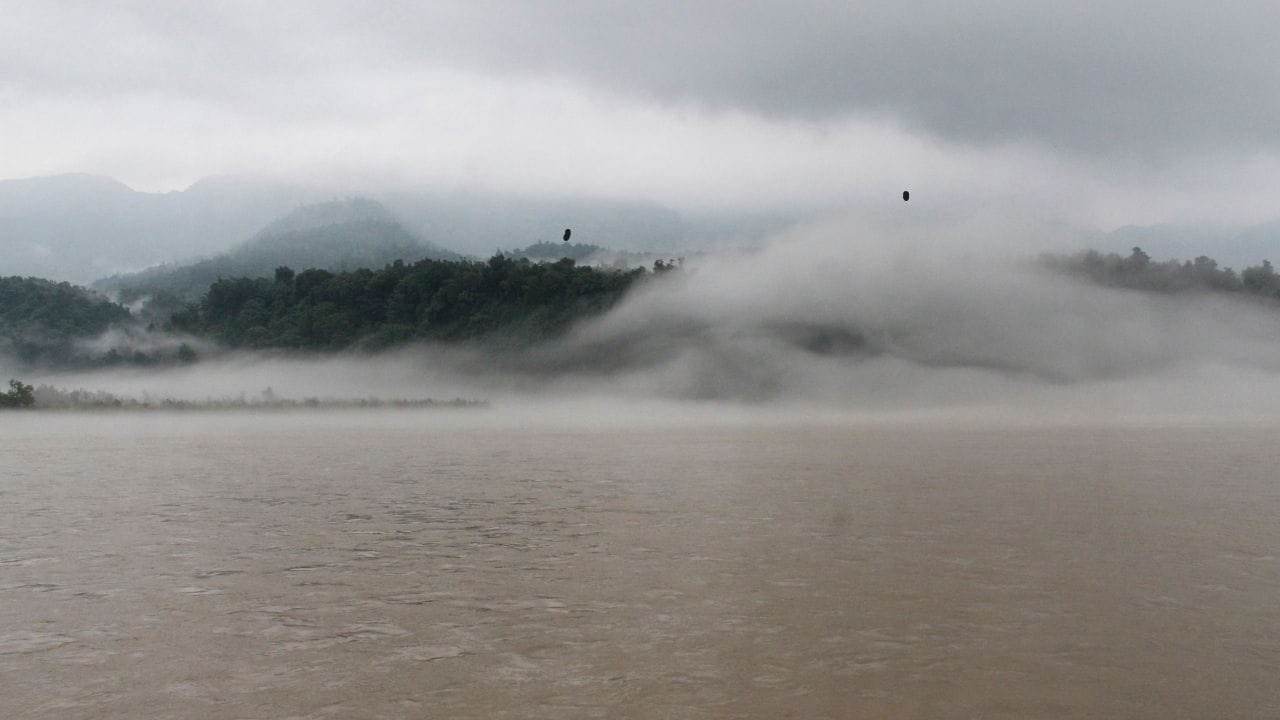
The monsoon tends to hold on longest in the eastern and northeastern states. A weather system at the start of the month is forecast to bring heavy rain to Odisha, West Bengal, and Jharkhand. While this might make travel challenging, it also means the landscapes are incredibly vibrant. The Dooars region in West Bengal, with its tea gardens, is particularly beautiful. In the Northeast, places like Ziro in Arunachal Pradesh become accessible and are famous for hosting the Ziro Festival of Music in September. The post-monsoon clarity offers stunning views in Sikkim, where destinations like Gangtok and Lachen offer a peaceful retreat.