


Vertical Ambition vs. Grounded Growth
The most fundamental difference lies in their form. A climbing plant, like a money plant, bougainvillea, or jasmine, has long, flexible stems designed to grow upwards by twining, clinging, or leaning on a support. They are nature's vertical artists, perfect
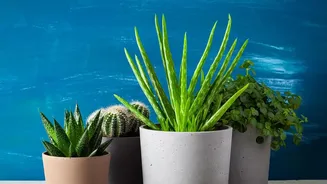
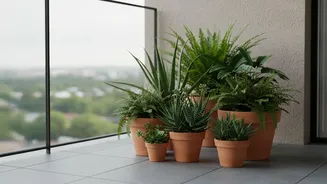
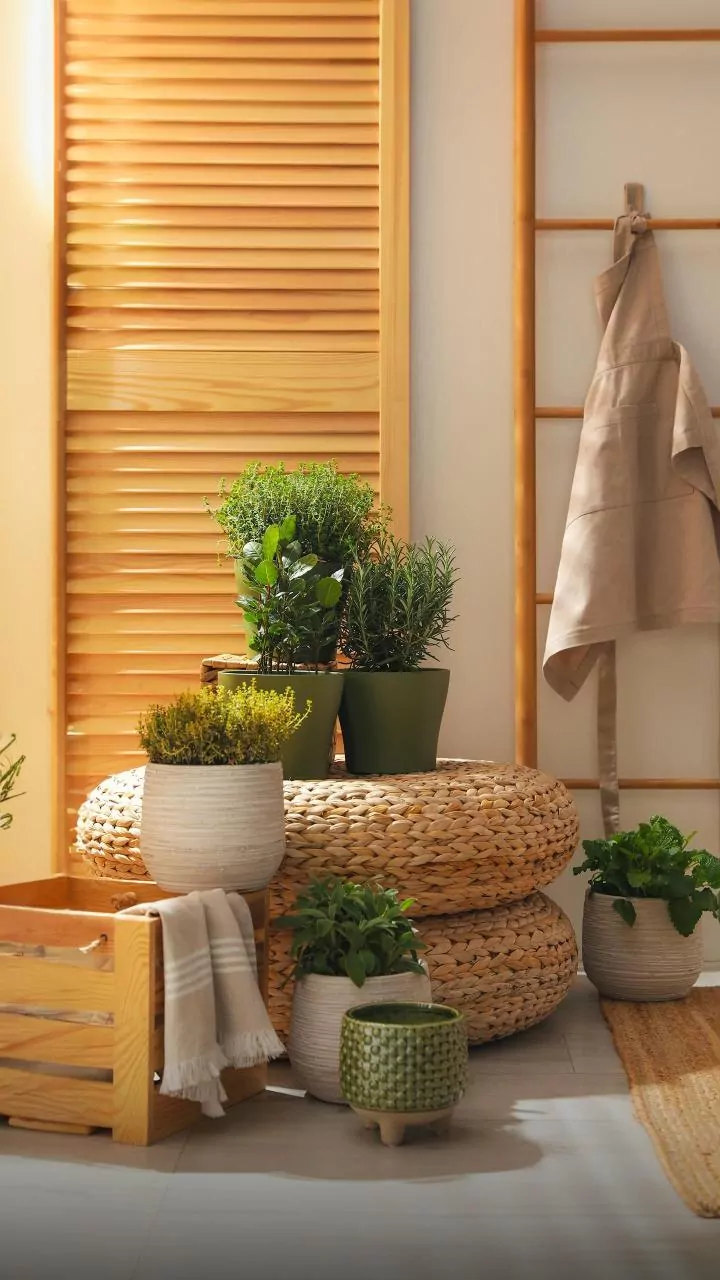
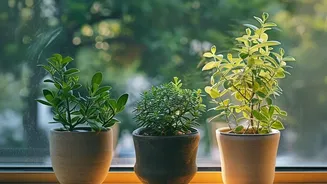
for covering walls, fences, or trellises and adding height to a garden. In contrast, a compact plant, such as a dwarf marigold, hibiscus, or many modern rose varieties, grows into a denser, bushier shape. It is bred to stay a manageable size, focusing its energy on producing flowers or foliage in a contained space rather than reaching for the sky. This makes them ideal for borders, neat rows, or as standalone features in pots.
The Crucial Role of Support
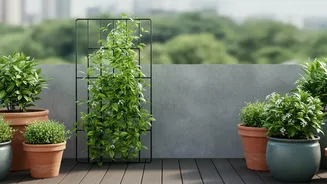
This is the biggest planning divergence. Climbing plants are defined by their need for support; without it, they will sprawl messily on the ground, becoming vulnerable to pests and disease. Before you even plant a climber, you must have its support structure in place. This could be a trellis, an arch, a pergola, or even simple wires fixed to a wall. The type of support depends on how the plant climbs—twining plants need something to wrap around, while others might need to be tied in. Compact plants, on the other hand, are self-supporting. Their sturdy stems hold their shape without any external help, simplifying your garden layout significantly.
Thinking About Space and Light
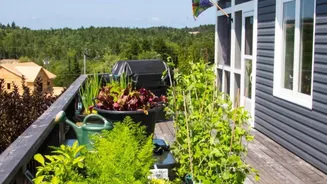
When you plant a compact shrub, you plan for its horizontal spread. You leave enough space around it for air to circulate and for it to grow to its mature width without crowding its neighbours. A climber requires you to think vertically. While its base may occupy a small patch of ground, its foliage can cover a large vertical area, creating a 'green wall'. This is a huge advantage in small gardens or balconies where ground space is limited. This vertical growth also affects light exposure. A climber can be trained to reach sunny spots that might be shaded at ground level, while a compact plant needs to be placed correctly from the start to receive adequate sunlight.
Pruning: For Control vs. For Shape
Pruning goals differ greatly between the two types. With climbing plants, pruning is often about control and encouraging flowering. You'll trim them to stay within their designated space, remove tangled or dead stems, and sometimes cut back last year's growth to encourage new, flower-bearing shoots. For rampant growers like some trumpet vines, regular pruning is essential to prevent them from taking over. For compact plants, pruning is more about maintaining a neat shape, encouraging dense growth, and removing spent flowers. For shrubs like hibiscus or roses, you might thin out crossing branches to improve airflow or cut them back to maintain their tidy form.
Container Gardening Considerations
Both types can be grown in containers, but with different approaches. For compact plants, you choose a pot that comfortably accommodates their mature root ball. For climbers, the pot needs to be large and heavy enough to not only support the plant's root system but also to act as a stable anchor for its vertical support structure. A tall trellis in a small, lightweight pot is a recipe for disaster in a strong wind. You must install the support in the pot at the time of planting to avoid damaging the roots later. Watering is also key in containers, as the leafy canopy of a dense climber can act like an umbrella, preventing rain from reaching the soil.