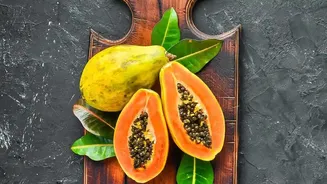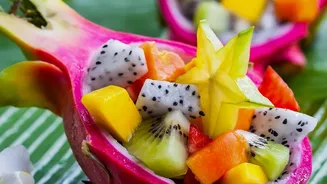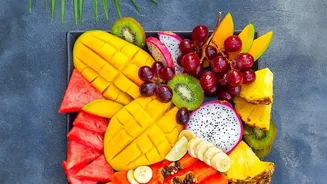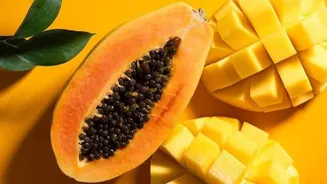






In the world of tropical fruits, mango and papaya are undisputed royalty. Both are delicious, versatile, and packed with goodness. But when you look closer at their nutritional profiles, they reveal very different strengths.
The Vitamin Showdown: Immunity vs. Vision
When it comes to vitamins,
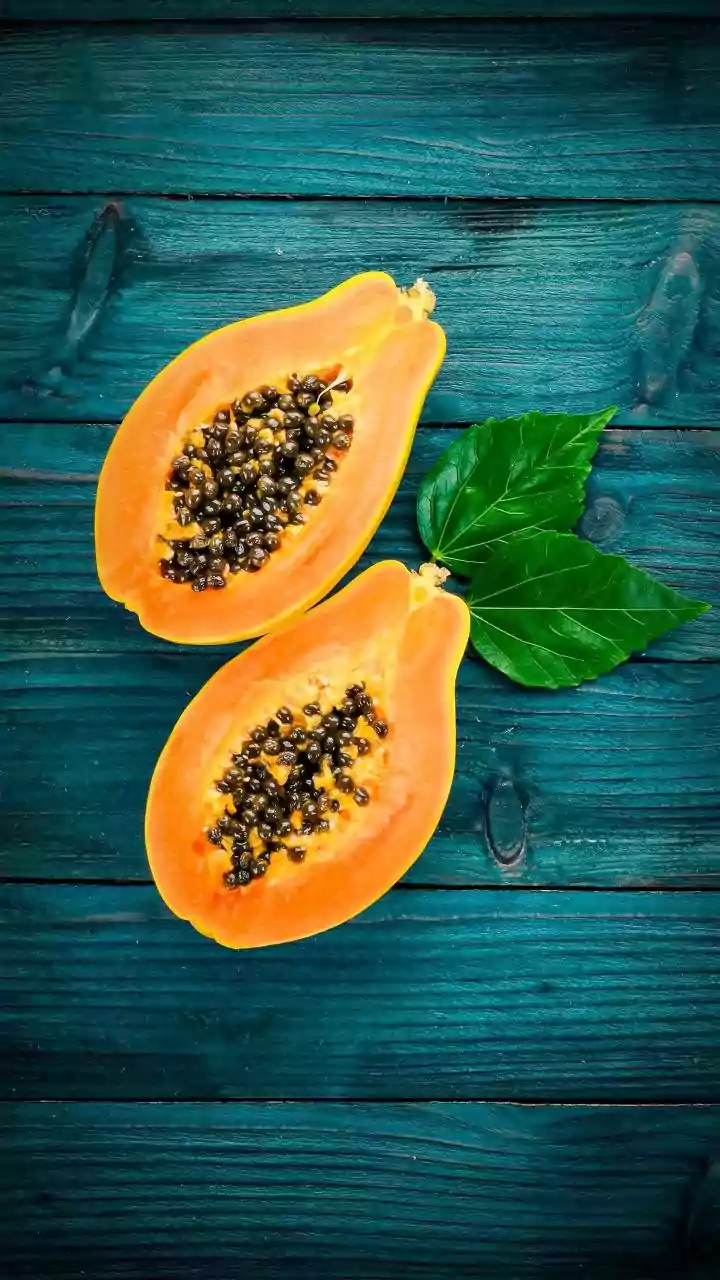
it's a tale of two specialities. Papaya is a powerhouse of Vitamin C. A single cup of papaya can provide nearly a full day's recommended intake, making it an exceptional choice for boosting your immune system. Vitamin C is crucial for helping your body fight off illnesses and plays a key role in collagen production for healthy skin. Mango, on the other hand, is the champion of Vitamin A. Thanks to its high levels of beta-carotene, which the body converts into Vitamin A, mango is fantastic for supporting eye health, promoting good vision, and maintaining a strong immune barrier. While mango also contains a good amount of Vitamin C, papaya's concentration is significantly higher.
Digestive Health: The Enzyme Advantage
Both fruits are good sources of dietary fibre, which is essential for a healthy digestive system. However, papaya has a secret weapon: an enzyme called papain. Papain is a proteolytic enzyme, meaning it helps break down proteins, which can aid digestion, reduce bloating, and ease indigestion, especially after a protein-heavy meal. Mangoes contain their own set of digestive enzymes, such as amylase, which helps in digesting carbohydrates. While both support gut health, the presence of papain gives papaya a unique edge in protein digestion, an ancient remedy now backed by modern science.
Antioxidants and Disease Prevention
Antioxidants are vital for protecting our bodies from cellular damage caused by free radicals, and both fruits are rich in them. Mangoes are packed with polyphenols, particularly mangiferin, which has been studied for its anti-inflammatory and antioxidant properties. They are also high in carotenoids like beta-carotene. Papayas boast their own powerful antioxidants, including lycopene, the same compound found in tomatoes and watermelon, which has been linked to a reduced risk of certain chronic diseases. While both fruits help fight oxidative stress, their different antioxidant profiles mean they offer complementary, rather than identical, protective benefits.
Calories, Sugar, and Blood Sugar Impact
For those mindful of sugar and calories, papaya is the lighter choice. It contains significantly less sugar and fewer calories per serving compared to the sweeter, more energy-dense mango. A 100nd gram serving of papaya has about 43 calories and 7.8 grams of sugar, while the same amount of mango has around 60 calories and 13.7 grams of sugar. Interestingly, despite having more sugar, mango often has a lower glycemic index (GI) — a measure of how quickly a food raises blood sugar. Mango's GI is around 51, which is considered low, while papaya's is around 59, placing it in the medium category. This makes mango a surprisingly steady option for blood sugar management when eaten in moderation.
The Verdict: Which Fruit for Which Goal?
Ultimately, neither fruit is 'better' than the other; they simply excel in different areas. Your choice depends on your personal health priorities. If you're looking to boost your immune system with a huge dose of Vitamin C or need digestive support, papaya is an excellent pick. Its lower calorie and sugar content also make it a great option for weight management. If your focus is on eye health, skin vitality through Vitamin A, or managing blood sugar with a lower GI fruit, then the mighty mango is your go-to. For a well rounded approach, including both in your diet allows you to reap their distinct and powerful benefits.