


From Halwai Shops to Social Feeds
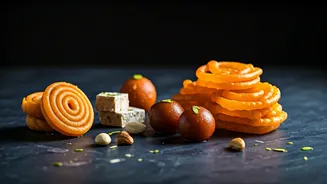
For generations, mithai has been an essential part of celebrations in India, from festivals like Diwali to weddings and simple family gatherings. For the longest time, these sweets were the domain of neighbourhood halwais, served in simple platters and boxes.
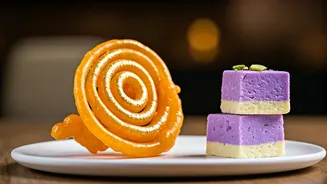
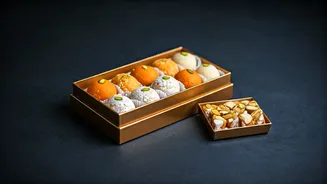
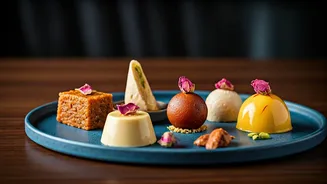
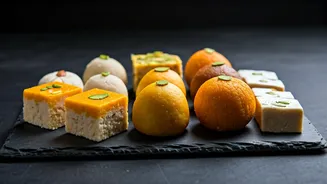
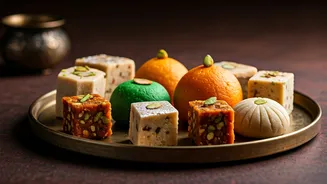
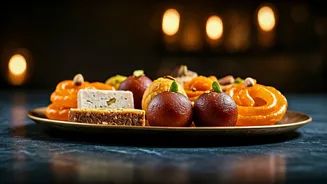
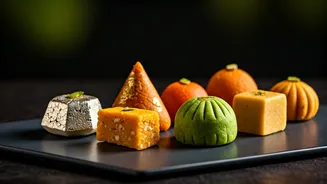
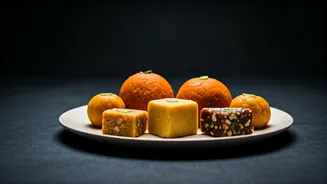
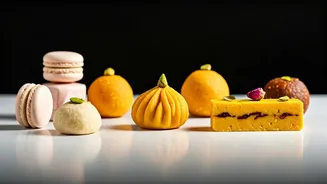
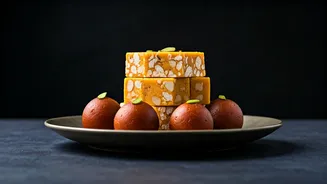
But a delicious revolution is underway. Today, a new crop of artisanal mithai-makers is transforming these beloved treats into visually stunning creations that seem tailor-made for an Instagram grid. Think vibrant colours, minimalist designs, and elegant packaging that feels more like a luxury boutique than a traditional sweet shop. This aesthetic overhaul is capturing the attention of younger food lovers who value presentation and unique experiences, turning mithai from a festive obligation into a desirable, year-round indulgence.
A Fusion of Flavour and Creativity
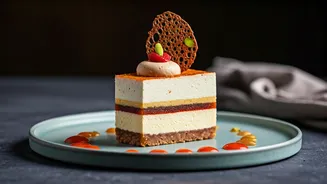
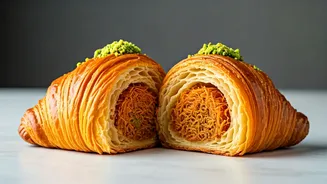
This trend is about more than just good looks; it's a complete reimagining of what mithai can be. Chefs and new-age brands are infusing traditional recipes with global flavours and techniques, resulting in exciting and unexpected combinations. Brands like Nihira are making headlines with creations like wine-infused laddoos and cheesecake barfi, while Arq Mithai is blending Indian sweets with French pastry techniques to create delicacies like besan truffle laddoos. Bombay Sweet Shop has gained a cult following for its inventive treats like coffee rasgulla tiramisu and gulab jamun churros. This fusion approach respects the soul of the original sweet while updating it for a contemporary palate that is adventurous and open to experimentation.
Meet the New Guard of Mithai Makers
Driving this change are innovative brands that blend heritage with a modern, direct-to-consumer business model. Delhi's Khoya, for instance, focuses on using organic ingredients and offers premium, customisable boxes that have been featured at celebrity weddings. Gur Chini has carved a niche by using healthier, natural sweeteners like jaggery, dates, and stevia in its recipes, appealing to a more health-conscious audience. These brands understand that a strong social media presence is crucial. They use platforms like Instagram not just to showcase their beautiful products, but to tell a story about craftsmanship, quality ingredients, and cultural relevance, building a community of loyal fans.
Tradition Remixed, Not Replaced
While these modern creations are visually and flavourfully distinct, the movement is rooted in a deep respect for tradition. Many founders are reviving ancient or forgotten recipes and techniques, simply presenting them in a new light. The goal isn't to replace the classic motichoor laddoo or kaju katli but to expand the definition of mithai and ensure it remains relevant for future generations. By applying world-class culinary skills and storytelling to something deeply familiar, these chefs are creating a culinary homecoming—a way for India to meet a new version of itself. This evolution is turning mithai into a powerful expression of modern Indian identity: proud of its heritage but confidently global in its outlook. The market itself reflects this boom, with the packaged sweets market in India valued at over ₹7,200 Crore in 2024 and projected to grow significantly.