

The Cardinal Sin of Overwatering
More plants are killed by kindness than by neglect, and overwatering is the number one culprit. New plant parents often assume more water equals more love, but this can lead to root rot, a condition where roots essentially drown and decay in waterlogged
soil. Symptoms include yellowing leaves, a foul odour from the soil, and wilting despite the soil being wet. The fix is simple: check before you water. Stick your finger about an inch or two into the soil. If it feels moist, wait another day or two. It's always better for a plant to be a little too dry than too wet. Let the top layer of soil dry out completely between waterings.
Ignoring Your Home's Light Conditions
Every plant has different light requirements, from needing hours of direct sun to thriving in a shady corner. Placing a sun-loving succulent in a dark hallway is a recipe for disaster, just as putting a delicate fern in a hot, south-facing window will scorch its leaves. Before buying a plant, observe the light in your home. North-facing windows offer low, indirect light. East-facing windows get gentle morning sun. West-facing windows have strong afternoon sun, and south-facing windows provide bright, direct light for most of the day. Match your plant to the light you have, not the other way around. Low-light champions like the Snake Plant or ZZ Plant are great for dimmer spots.
Forgetting About Drainage
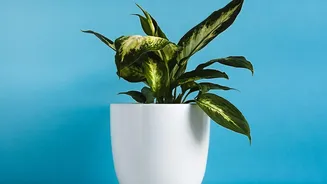
This mistake goes hand-in-hand with overwatering. A beautiful pot without a drainage hole at the bottom is a death trap for most houseplants. Without an escape route, excess water pools at the base, suffocating the roots and creating a perfect environment for fungus and rot. If you've fallen in love with a decorative pot that has no holes, don't plant directly into it. Instead, use it as a 'cachepot'. Keep your plant in its simple plastic nursery pot (which has holes) and place that inside the decorative one. After watering, simply lift the inner pot out, let any excess water drain away, and then place it back.
Being Too Eager to Repot
When you bring a new plant home, resist the urge to immediately move it into a bigger, fancier pot. Plants experience stress from being moved from a nursery to a store and then to your home. Repotting right away adds another layer of shock. It's best to let the plant acclimate to its new environment for a few weeks, or even a month. Most plants are perfectly fine in their nursery pots for a while and only need repotting when they become 'root-bound'—when the roots have completely filled the pot and are circling the bottom or growing out of the drainage holes. When you do repot, only go up one pot size, about 1-2 inches wider than the current one.
Choosing the Wrong 'Foolproof' Plant
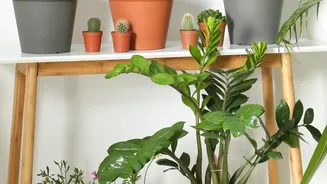
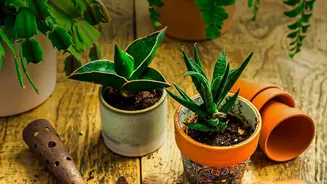
The term 'foolproof' can be misleading. While some plants are incredibly resilient, your specific home environment plays a big role. For Indian homes, a few reliable starters consistently live up to their low-maintenance reputation. The Snake Plant (Sansevieria) is nearly indestructible, tolerating low light and infrequent watering. The Money Plant (Pothos) is a fast-growing vine that tells you when it's thirsty by drooping slightly and thrives in a variety of light conditions. And the ZZ Plant (Zamioculcas zamiifolia) is the king of neglect, perfect for busy owners or forgetful waterers as it prefers its soil to dry out completely.