





From Weekend Gig to Week-Long 'Fest-Cation'
The long weekend is no longer the primary reason to plan a trip. For India's Gen Z and millennial travellers, the new travel trigger is a festival line-up. According to recent reports, a significant cultural shift is underway where live music events are
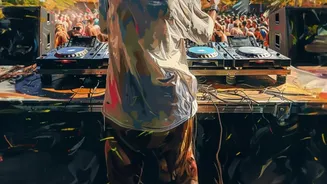
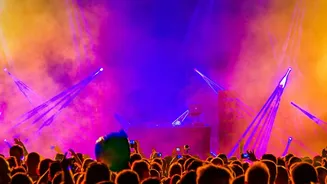
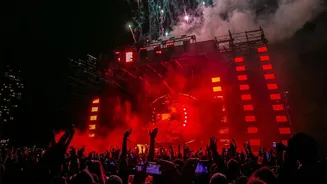
becoming the main destination. One in three Gen Z travellers now prefers a music festival trip over a conventional holiday. This has given rise to the 'fest-cation,' where a three-day festival becomes the anchor for a five- to eight-night journey. Data shows that more than half of these young travellers extend their stays beyond the concert dates to immerse themselves in the local culture. They use the extra days to explore local cafes, trekking routes, and neighbourhood attractions, turning a music event into a comprehensive travel experience.
Putting New Destinations on the Map
This trend is rewriting India's tourist map. While major cities still host large-scale events, it's the destination festivals in unconventional locations that are capturing the imagination of young travellers. Northeast India, in particular, has emerged as a leading hub for music tourism. Festivals like the Ziro Festival of Music in Arunachal Pradesh and the Cherry Blossom Festival in Meghalaya are seeing explosive, year-on-year growth in attendance. These events are introducing a generation of travellers to places they might never have visited otherwise. Reports indicate that 76% of Gen Z travellers have visited a city for the first time specifically for a concert or festival. This is not just limited to the Northeast; festivals like Magnetic Fields in Rajasthan's Alsisar Mahal are also drawing crowds to unique, heritage-rich locations.
It's All About the Experience
What's driving this shift? It's the prioritisation of experiences over possessions. For this generation, the journey itself is a major part of the event. The road trip to a valley in Arunachal Pradesh, the sense of community with fellow attendees, and the discovery of local culture are just as important as the headlining act. Interestingly, many of these trips are booked by solo travellers—around 80% according to one report—who find community and connection on the road. This desire for shared, immersive experiences is a defining characteristic of music-led travel. The festival provides the reason to go, but the overall adventure provides the memories they seek.
The Ripple Effect on Local Economies
The economic impact of this trend is significant and extends far beyond ticket sales. Music tourism is becoming a powerful engine for local economies, especially in smaller towns and Tier-II cities. When thousands of young people descend on a location for a week, they spend on homestays, local transport, food at small cafes, and handicrafts from local artisans. This influx provides a major boost to small and mid-sized businesses and creates numerous temporary employment opportunities. Recognizing this, state governments are also beginning to see festivals not as expenses, but as long-term investments in their region's tourism profile and economic development. The entire ecosystem, from the chai-wallah outside the venue to the owner of a local homestay, benefits from this new wave of tourism.
The Future of Youth Travel in India
Music-led travel is no longer a niche interest; it's a fast-growing segment of India's tourism market, projected to expand significantly in the coming years. With bookings for some festivals growing 4-5 times year-on-year, the trend shows no signs of slowing down. Travel platforms and hostel chains are now scaling music travel as a dedicated category, curating packages that combine event access with local experiences. As more artists tour and new festivals emerge in unique locations, from the mountains of Ladakh to the beaches of Goa, the synergy between music and travel is set to become even stronger. It’s clear that for young Indians, the best way to see their country is with a soundtrack.