
The Perfect Season: Why Visit Before Winter?
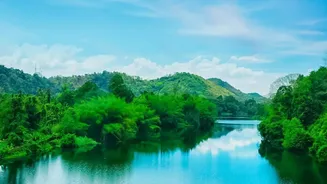
The period from October to November is arguably the best time to experience Sohra. The monsoon rains have just subsided, leaving the landscape intensely green and the waterfalls at their voluminous best. Unlike the peak monsoon months, this post-monsoon
autumn season offers clearer skies and more stable weather, making it ideal for trekking and sightseeing without the risk of constant downpours or landslides. The temperatures are pleasant, typically ranging from 12°C to 22°C, perfect for long walks and exploring the region's natural wonders. This sweet spot allows you to witness the dramatic beauty of the monsoon's remnants under the comfort of sunny, crisp autumn days, before the colder winter temperatures set in from December onwards.
Chasing Waterfalls: Sohra's Liquid Legends
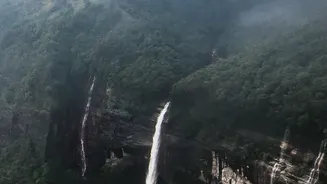
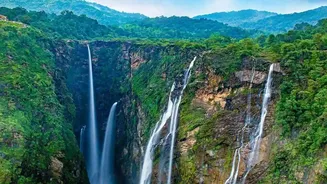
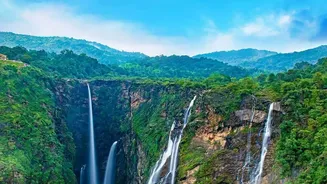
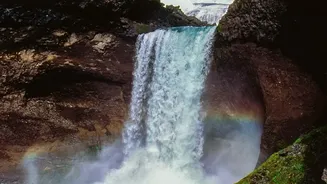
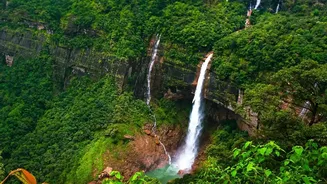
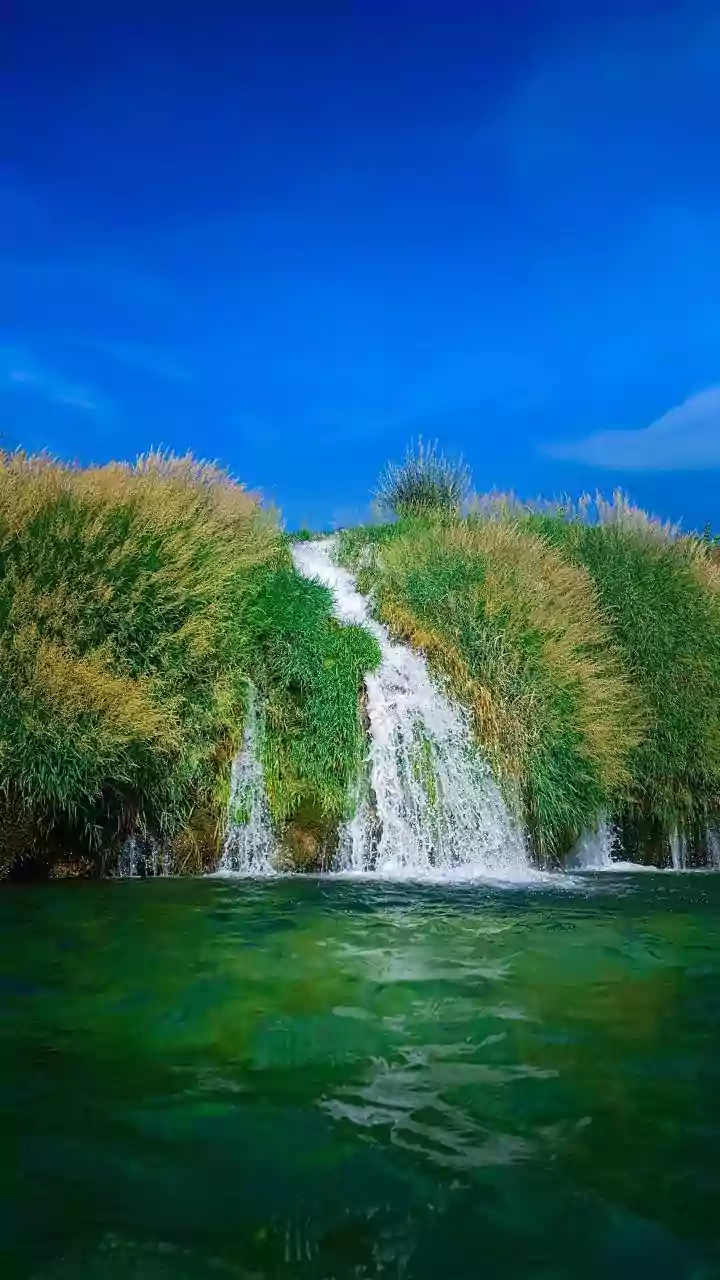
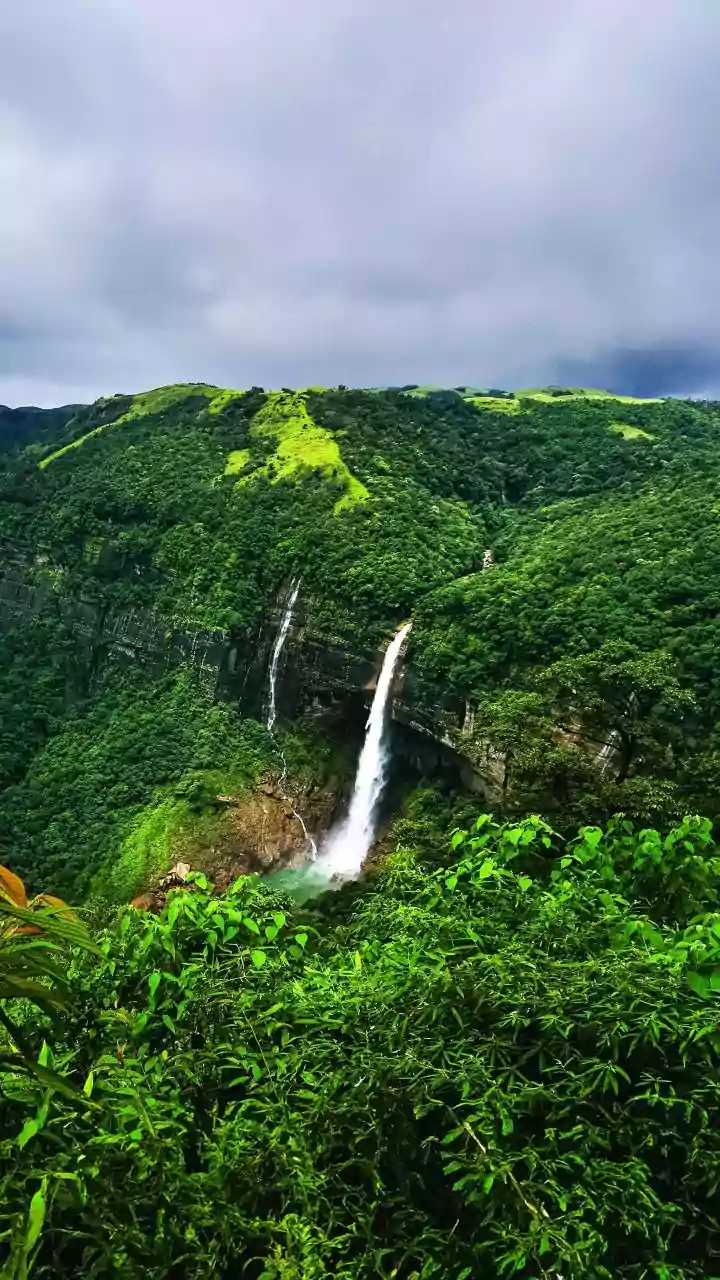
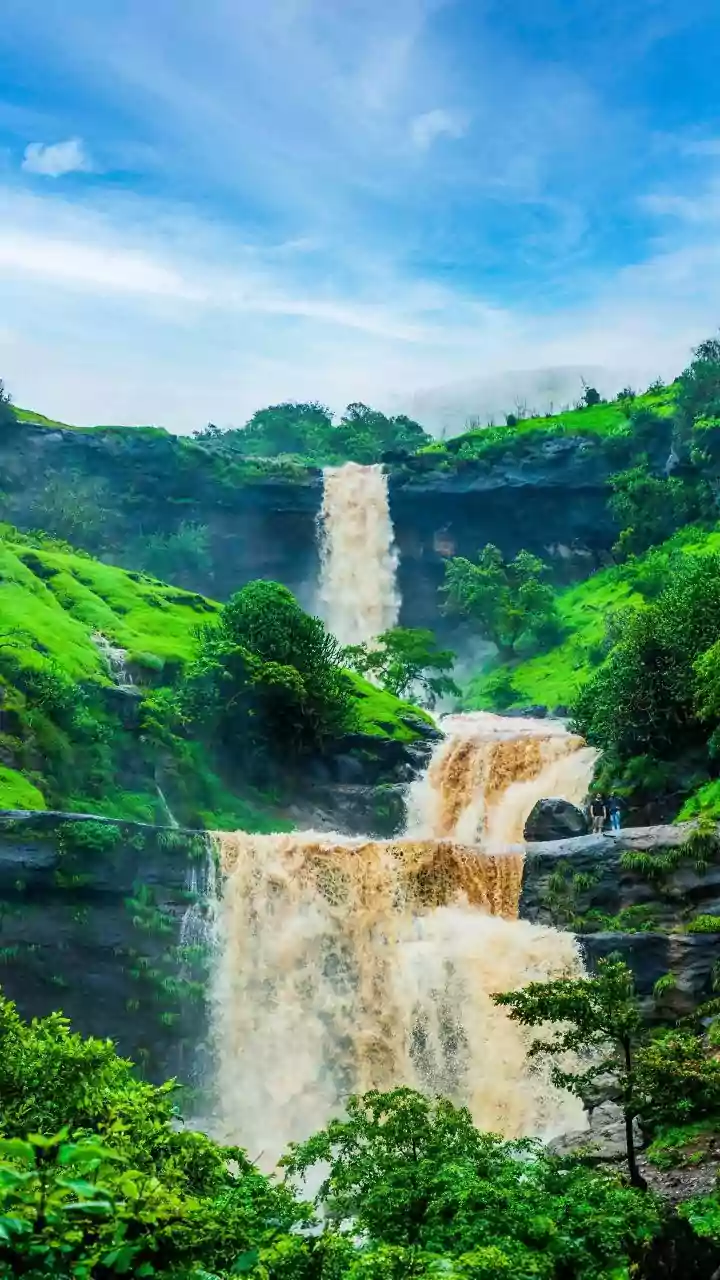
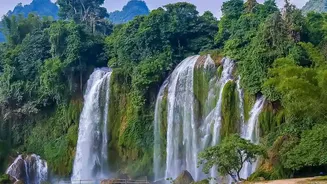
Sohra is synonymous with waterfalls, and visiting post-monsoon means you see them in their full glory. Topping the list is Nohkalikai Falls, India's tallest plunge waterfall, which cascades dramatically into a turquoise pool below. Another must-see is Nohsngithiang Falls, also known as the Seven Sisters Falls, where seven streams tumble side-by-side down a limestone cliff—a sight best viewed after the rains. For a dose of local folklore, visit Dainthlen Falls, a powerful cascade linked to a Khasi legend about a giant serpent. Many smaller, equally beautiful falls like Wei Sawdong and Wah Kaba also dot the landscape, often requiring short, rewarding hikes to reach. This season ensures the falls are neither dangerously overflowing as in peak monsoon nor disappointingly sparse as they can be in the dry winter.
Nature's Marvel: The Living Root Bridges
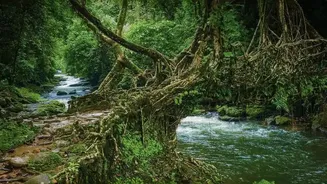
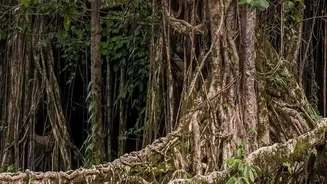
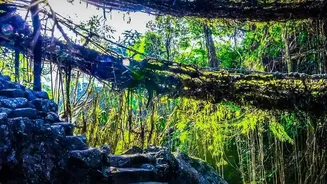
No trip to Meghalaya is complete without witnessing the bio-engineering marvel of the living root bridges. The most famous of these is the Umshiang Double-Decker Root Bridge in Nongriat village. Reaching it requires a challenging but rewarding trek of approximately 3,500 steps down into a lush valley. The journey itself is an experience, taking you across narrow suspension bridges and through tiny hamlets. The bridges, handcrafted over centuries by the Khasi people by guiding the roots of rubber trees, are a testament to living in harmony with nature. The post-monsoon season provides ideal trekking conditions, with the paths being less slippery than in the monsoon and the surrounding forest still vibrantly green. The trek typically takes 4-6 hours for a round trip, so starting early is recommended.
Beyond the Postcard: Offbeat Exploration
To truly capture the “offbeat” spirit, venture beyond the main sights. Explore the ancient limestone caves of the region. Mawsmai Cave is well-lit and accessible, offering a fascinating glimpse into the underground world of stalactites and stalagmites. For a more adventurous experience, visit Arwah Cave, which is larger and known for its fossils of crustaceans and fish embedded in the cave walls. You can also take a drive to the Mawkdok Dympep Valley viewpoint on the way from Shillong, which offers breathtaking panoramic views. For another unique experience, consider a short trip to Mawlynnong, often cited as 'Asia's Cleanest Village', or the nearby river island of Nongkhnum for a peaceful escape.
Your Sohra Getaway: Practical Planning
Planning your trip is straightforward. The nearest major airport is in Guwahati, Assam (around 167 km away), with a smaller airport in Shillong (Umroi Airport), about 79 km from Sohra. From Shillong, it's a scenic 2-hour drive to Sohra. You can hire a private taxi for the day or for the entire trip, which is the most convenient way to cover the spread-out attractions. Shared sumos and buses also run regularly from Shillong's Bara Bazar area. Accommodation in Sohra ranges from comfortable resorts to quaint homestays that offer a glimpse into local life. Pack layers of clothing, as mornings and evenings can be cool, along with a reliable pair of walking shoes for the treks. A light rain jacket is always a good idea in the 'abode of clouds'.