










The Foundation: A Separate Sanctuary
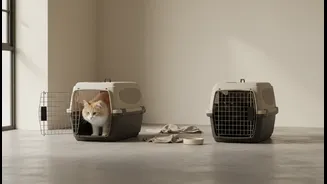
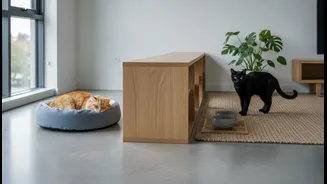
First impressions are lasting, and for cats, this starts with scent and space, not sight. Before your new cat even arrives, prepare a dedicated room that will be their temporary sanctuary. This room should be equipped with everything they need: food,
water, a comfortable bed, toys, and their own litter box. This separation is non-negotiable. It allows the new cat, who may be stressed from their previous environment, to decompress in a secure space. For your resident cat, it signals a change without the immediate shock of a physical intruder, preventing initial territorial panic.
Step 1: The Scent Exchange
Cats navigate their world through scent. Your first goal is to make each cat's smell a normal, non-threatening part of the other's environment. Start by 'scent swapping.' Take a soft cloth or sock and gently rub it on your new cat’s cheeks and head to pick up their unique scent glands. Place this cloth in your resident cat's territory, perhaps near their food bowl, to create a positive association. Do the same for your new cat with the resident cat’s scent. After a few days of this, graduate to swapping their bedding or soft toys. The goal is for hissing or avoidance of the scented items to cease, indicating passive acceptance.
Step 2: Site Swapping
Once both cats are calm about each other's scents, allow them to explore each other's territory without ever meeting. Place your resident cat in the sanctuary room (with the door closed) and let the new cat have a supervised tour of the main house for a short period. Then, swap them back. This allows them to investigate the other's scent markers on their own terms, gathering information without the pressure of a confrontation. This step is a powerful way for them to understand that another cat now lives here, turning a foreign scent into a familiar one.
Step 3: Positive Association Through a Barrier
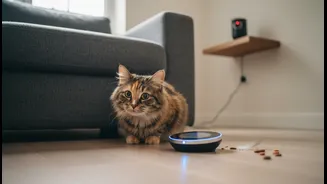
Now it's time to connect the scent with a positive experience. Begin feeding both cats on opposite sides of the closed sanctuary room door. They can smell and hear each other, but not see or touch. This teaches them that good things, like their favourite meal or high-value treats, happen when the other cat is near. Start with the bowls several feet from the door and, over several days, gradually move them closer until they can eat comfortably right next to the door. You can also encourage them to play with a toy under the door to foster curiosity instead of hostility.
Step 4: The First Glimpse
When the cats are eating peacefully next to the door, it’s time for a visual introduction. Use two stacked baby gates, a screen door, or crack the door just enough for them to see but not fit through. Keep these first visual meetings very short—just a few minutes—and full of positive reinforcement like treats or praise. The goal is for them to see each other without reacting with fear or aggression. If hissing occurs, calmly close the door and try again later for a shorter duration. Never force it.
Step 5: Supervised, Short Interactions
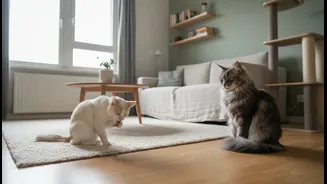
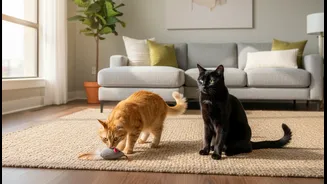
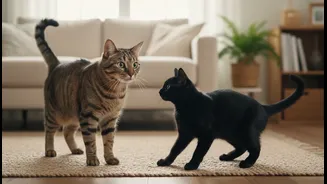
After many successful visual meetings, you can allow the first face-to-face interaction in a neutral common area. Keep it brief and positive, ideally using a fun toy to distract both of them. Let them dictate the interaction. If they ignore each other, that's a huge success. If there’s a little hiss, that’s okay, but be ready to calmly separate them if the tension escalates. End the session on a positive note before either cat gets overwhelmed. Gradually increase the duration of these supervised visits over days or weeks until they can coexist peacefully.