







A New Wave in Pest Control
In the ongoing push for sustainable and chemical-free agriculture, one of the most innovative solutions sounds like something out of science fiction. Acoustic Pest Management is an emerging field where specific sound frequencies are used to deter, disrupt,
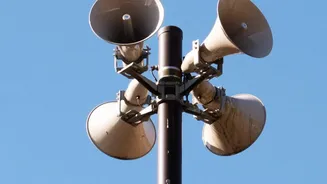
or even eliminate insects and other pests that threaten crops. Instead of dousing plants with chemicals, farms can install ultrasonic transducers—devices that emit high-frequency sound waves beyond the range of human hearing. The concept isn't entirely new, but recent advancements are making it a viable tool, especially for the controlled environments of urban and greenhouse farming. These systems offer a compelling proposition: protect produce without leaving behind any residue, a major selling point for the organic market.
The Science of Sonic Disruption
So, how exactly does sound stop a hungry bug? The technology works in several ways, depending on the pest. Some devices emit frequencies that attack the auditory and nervous systems of common pests like rodents and certain insects, creating an uncomfortable environment they quickly abandon. For others, specific sound waves can interfere with vital behaviors like mating and communication, reducing their ability to reproduce and thrive. Experimental studies, particularly in greenhouse settings, have shown that ultrasonic signals in the 30–50 kHz range can be highly effective against pests like whiteflies, thrips, and aphids. The goal isn't necessarily a sonic 'death ray' but rather a constant, targeted pressure that makes the protected area inhospitable to pests, driving them away or preventing infestations from ever taking hold.
From Lab to Lettuce
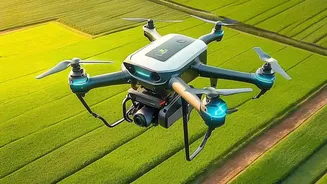
While the headline's claim of a full "replacement" for pesticides is still more of a future goal than a current reality, the technology is actively moving from the laboratory to the field. Research funded by the USDA is exploring how to use sound to manage pests like grasshoppers by steering them away from valuable crops. The science is promising, but its effectiveness can vary significantly based on the pest, the environment, and the specific frequencies used. Many commercially available devices have faced skepticism, with some studies showing pests can become accustomed to the noise over time. However, more sophisticated systems that vary their frequencies and integrate with other non-chemical methods are proving more successful. These tools are often best used as part of a broader Integrated Pest Management (IPM) strategy, which minimizes environmental impact by combining several control methods.
Why Urban Farms Are the Perfect Test Bed
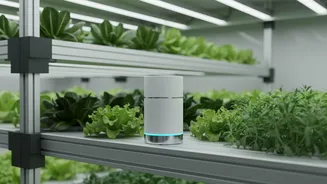
Urban farms, particularly indoor vertical farms and greenhouses, are ideal environments for acoustic pest control. Unlike vast, open fields, these are enclosed spaces where sound waves can be contained and directed more effectively. The cost of the technology, which requires an upfront investment, can be more easily justified when protecting high-value organic crops that command premium prices. Furthermore, using pesticides in dense urban areas comes with extra complications and health concerns, making a non-toxic alternative incredibly attractive. For these operations, sound-based systems can help ensure a clean, residue-free harvest that meets strict organic standards without the environmental risks of chemical runoff.
The Hurdles and the Horizon
Despite its promise, sonic pest control faces challenges. The initial cost of equipment can be a barrier for some growers, and there's no one-size-fits-all frequency that works for every pest. Widespread effectiveness is still being studied, and some experts remain cautious, noting that many consumer-grade devices have not held up to scientific scrutiny. However, the technology is evolving rapidly. Advanced systems now use AI and machine learning to analyze ambient noise and generate counteracting soundscapes to promote healthier plant growth. As research continues and costs come down, sound-based systems are poised to become a critical tool, helping to create a future where our food is protected by carefully tuned vibrations instead of chemicals.