






The Kitchen Counter Revolution
Look inside the kitchens of urban India, and you’ll find a growing movement taking root. Once a practice reserved for those with sprawling gardens, composting is now being enthusiastically adopted by apartment dwellers in cities like Pune, Bengaluru,
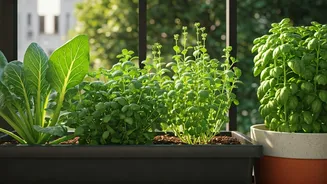
Hyderabad, and Delhi. This isn't just a niche hobby for eco-warriors anymore; it’s a mainstream trend driven by a mix of civic duty, practical benefits, and a renewed connection to nature. The push comes from multiple directions. Many municipal corporations now mandate waste segregation, forcing residents to confront just how much wet waste their household produces. For many, seeing a bin full of vegetable peels and leftover food destined for a landfill felt fundamentally wasteful. Simultaneously, the pandemic-induced lockdowns sparked a nationwide boom in balcony gardening. Newbie gardeners quickly learned that healthy plants need healthy soil, and the best plant food was, quite literally, already in their kitchens.
From 'Ick' to 'Magic'
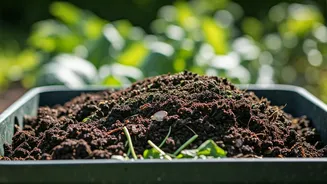
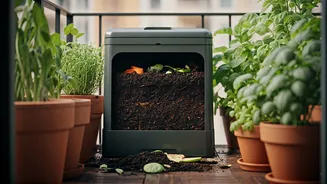
Let’s address the first question on everyone’s mind: doesn't it smell? The short answer is no, not if you do it correctly. Modern urban composting methods are designed specifically for small, enclosed spaces. They are clean, compact, and when managed properly, emit a pleasant, earthy smell, much like fresh soil after rain. The 'ick' factor, often associated with traditional compost heaps, is replaced by a sense of satisfaction. Urban composters are turning a daily nuisance—the smelly, leaky garbage bag of wet waste—into a valuable resource. Instead of contributing to methane-belching landfills, they are creating nutrient-dense compost that can bring their potted plants to life. It reduces the number of trips to the garbage chute, cuts down on pests attracted to food waste, and provides a tangible connection to the cycle of decay and rebirth, right on a 14th-floor balcony.
Find Your Composting Style
The beauty of this trend is its adaptability. There’s no one-size-fits-all solution; instead, there’s a perfect method for every type of home and lifestyle. **For the Beginner: The Stackable Bin** Popularised by Indian brands like Daily Dump, these terracotta or plastic multi-tiered bins are the most common entry point. You fill one tier at a time with your kitchen scraps (vegetable peels, fruit cores, coffee grounds, tea leaves, and crushed eggshells) and a 'remix powder' (cocopeat and microbes). Once a tier is full, you move to the next. By the time you’ve filled the last one, the first is usually ready with rich, dark compost. It’s a simple, aerobic (oxygen-based) process that is easy to manage for a family of three or four. **For the Patient Plant Parent: Vermicomposting** This method uses a special workforce: earthworms. In a dedicated bin, composting worms (like Red Wigglers, not garden worms) break down food scraps into 'vermicast,' one of the most nutrient-rich organic fertilisers available. It’s a fascinating process to watch and is perfect for those with a serious interest in gardening. It requires a bit more care to maintain the right moisture and temperature for your wormy friends, but the payoff is 'black gold' for your plants. **For the Space-Crunched Foodie: Bokashi** If you have a tiny kitchen but generate a lot of food waste (including cooked food, dairy, and even meat), Bokashi is your answer. This Japanese method isn't technically composting but a fermentation process. You layer your scraps in an airtight bucket with an inoculated bran. The process is anaerobic (without oxygen) and pickles the waste in about two weeks. It doesn't produce finished compost directly, but the pre-composted material can then be buried in a larger pot of soil where it breaks down rapidly. It’s fast, compact, and handles a wider variety of waste.
Getting Started Without Fear
The thought of starting can be intimidating, but the community is incredibly supportive. Online forums, WhatsApp groups, and Instagram communities are filled with seasoned composters eager to help newbies troubleshoot. Common concerns are easily managed. Worried about fruit flies? Keep your compost bin lid on tight and cover fresh scraps with a layer of dry leaves or cocopeat. Not sure what can go in? The basic rule for most aerobic bins is simple: if it grew from the ground, it can go in. Avoid meat, bones, dairy, and oily foods, as they can attract pests and create foul odours. The key is to start small. You don't need to buy a fancy system on day one. You can begin by simply collecting your kitchen scraps in a separate container to see how much you generate.