



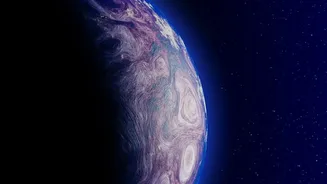
A Glimpse of a Distant World
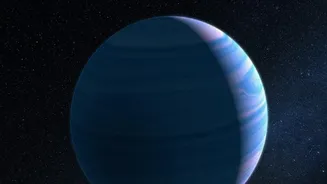
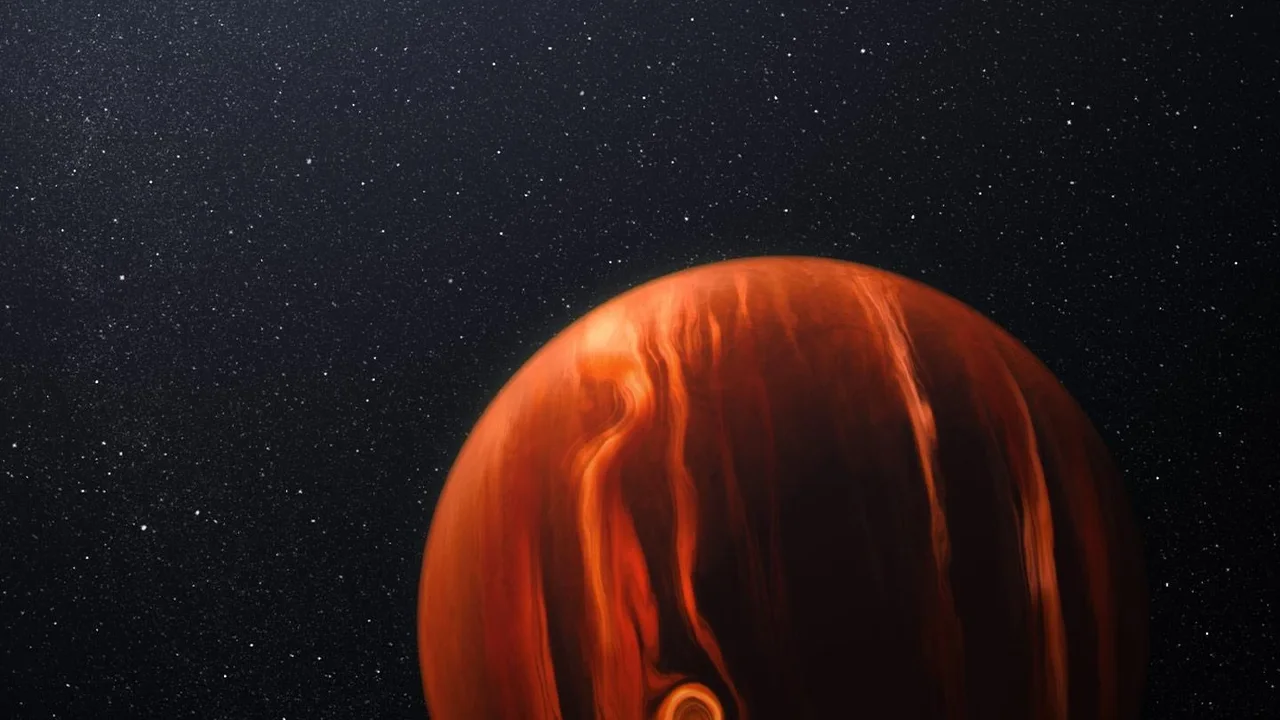
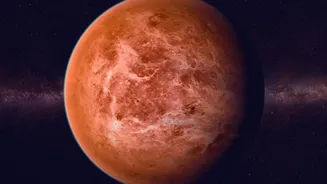
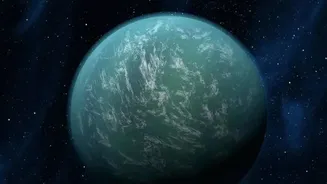
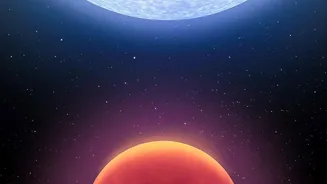
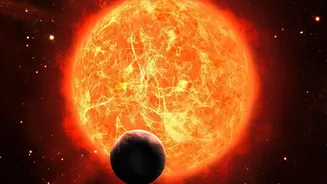
The planet in question is K2-18 b, an exoplanet located about 120 light-years from Earth in the constellation Leo. It’s a fascinating world unlike any in our solar system; it’s 8.6 times more massive than Earth and has a radius about 2.6 times larger.
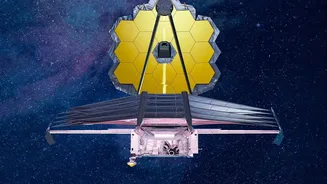
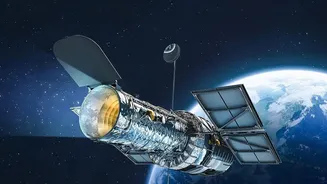
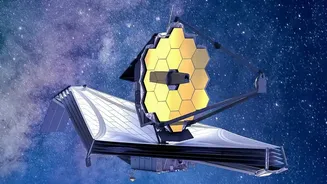
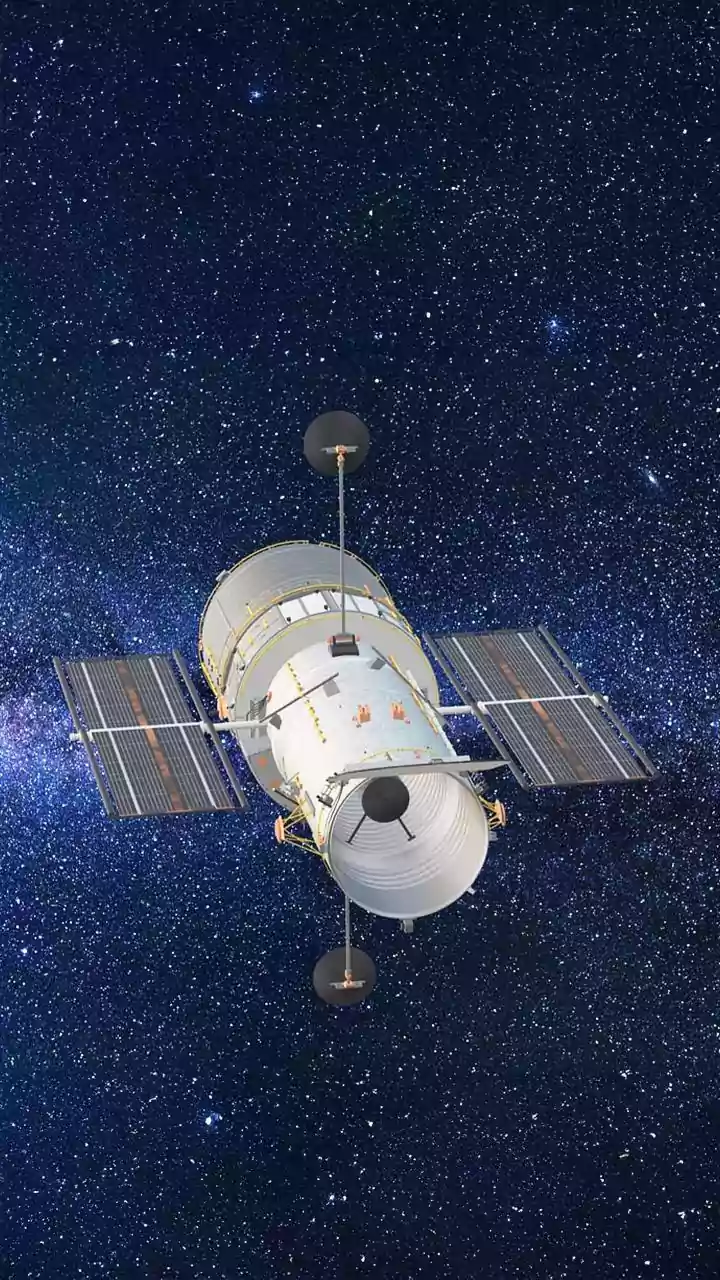
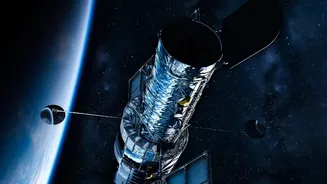
This places it in a category of planets called 'sub-Neptunes'. K2-18 b orbits a cool dwarf star right within the habitable zone, the region where conditions might be just right for liquid water to exist on a planet's surface. This combination of factors has made it a prime target for astronomers, who have been studying it for years, first with the Hubble Space Telescope and now with the more powerful James Webb Space Telescope (JWST).
Decoding the Atmospheric Fingerprints
The latest breakthrough comes courtesy of the JWST, which analysed the starlight filtering through K2-18 b's atmosphere. By studying the specific colours of light that were absorbed, scientists could identify the chemical composition of the planet’s gaseous envelope. The data provided definitive evidence for both methane (CH4) and carbon dioxide (CO2). These carbon-bearing molecules are crucial in the search for life. On Earth, they are fundamental parts of our planet's biological and geological cycles. Finding them together on a temperate world is a significant discovery that moves the needle in exoplanet science.
Why This Chemical Cocktail Matters
Detecting these gases is more than just a chemical inventory. In astrobiology, certain gases or combinations of gases are considered 'biosignatures'—potential signs of life. The presence of both methane and carbon dioxide on a potentially water-covered world is particularly intriguing. The data from K2-18 b also showed a shortage of ammonia, which further supports the theory that the planet may host a vast ocean beneath its hydrogen-rich atmosphere. This has led scientists to classify K2-18 b as a potential 'Hycean' world—a hypothetical type of planet with a water ocean and a hydrogen atmosphere. Some astronomers believe these worlds are promising environments for finding extraterrestrial life.
A Hint of Something More?
The JWST observations also returned a tentative, less certain signal of another molecule: dimethyl sulfide (DMS). This detail has caused a stir because, on Earth, DMS is overwhelmingly produced by life, primarily by phytoplankton in marine environments. If its presence were confirmed, it would be a powerful potential biosignature. However, scientists are exercising extreme caution. The DMS detection is not yet robust and requires further observations to be validated. It’s an exciting lead, but not yet conclusive evidence of biological activity. The scientific community is actively debating whether the signal is real or could be caused by other factors.
The Journey Ahead in an Epic Search
This discovery does not mean we've found alien life. K2-18 b's large size suggests it likely has a high-pressure ice mantle, similar to Neptune, which could make it less hospitable than Earth. The presence of methane and CO2 can also arise from purely geological or chemical processes without any biological involvement. However, the findings from K2-18 b are a landmark achievement. They demonstrate the incredible power of the JWST to probe the atmospheres of distant worlds in unprecedented detail. The next step is for scientists to conduct follow-up observations to confirm the presence of DMS and search for other molecules that could provide more context about the planet's environment.