




Which Carmakers Are Increasing Prices?
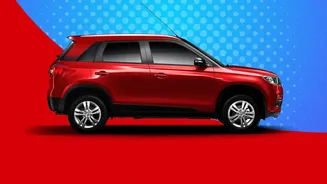
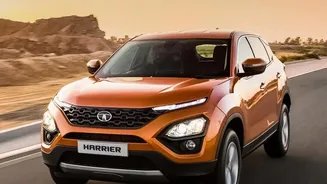
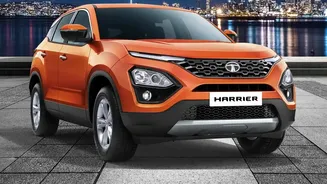
The trend of rising car prices continues with several major players announcing their third hike of 2026. Hyundai Motor India has confirmed it will increase prices across its model range by up to 1% from September. Following suit, Tata Motors announced
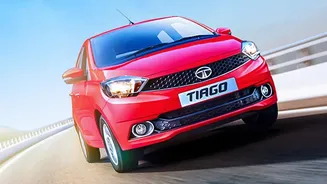
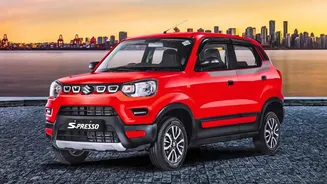
a price revision of up to ₹25,000 across its entire portfolio, including both internal combustion engine (ICE) and electric vehicles (EVs), starting September 1. These announcements come shortly after Maruti Suzuki, the country's largest carmaker, increased prices by up to ₹30,000 in August. While other manufacturers have not made formal announcements for September, industry analysts expect more could follow, given the persistent cost pressures affecting the entire sector.
Why Are Car Prices Going Up Again?
Automakers have consistently pointed to one primary driver for these frequent price revisions: rising input costs. This is not just a simple phrase; it refers to the increasing prices of essential raw materials like steel, aluminum, and copper used in manufacturing. Furthermore, the cost of components for advanced features and electrification, such as EV batteries, has also risen. Companies also cite sustained inflationary pressures, higher operational expenses, and geopolitical uncertainties that affect supply chains and currency values as contributing factors. While manufacturers state they absorb a significant portion of these increased costs, they are now passing a part of the burden onto customers to protect their profit margins.
The Big Question: Should You Buy Now or Wait?
This is the crucial question for any prospective buyer. Buying before September 1 could save you from the immediate price increase. If you have already decided on a specific model and finalised your finances, purchasing now allows you to lock in the current, lower price. However, a rushed decision on a high-value purchase is never wise. Waiting has its own potential benefits. The end of the year, particularly from October to December, often brings attractive festive season discounts and year-end stock clearance sales that could potentially offset the price hike. If you are not in a hurry, waiting allows you to evaluate your options without pressure and see if upcoming festive offers provide a better overall deal.
Tips for Those Buying Before the Hike
If you decide to buy now, a strategic approach can still yield significant savings. First, contact multiple dealerships to check for available inventory of your chosen model. A car that is already in stock can be invoiced before the new prices take effect. Don't just focus on the ex-showroom price; try to negotiate on other aspects of the purchase. You might find room for negotiation on dealer-level charges, insurance premiums, or by getting accessories bundled for free or at a lower cost. Ensure your financing is pre-approved to speed up the process. The key is to get the vehicle invoiced before the deadline, and having your loan ready can prevent last-minute delays that could push your purchase into the higher price bracket.
Exploring Other Options
A price hike can also be an opportunity to reassess your choices. If the new price for your desired model stretches your budget, consider a lower variant of the same car, which might still fit your financial comfort zone after the increase. Another strategy is to explore models from manufacturers that have not yet announced a price revision. You could also broaden your search to include the pre-owned market, where you might find a well-maintained, higher-segment vehicle for the price of a new, smaller car. Finally, remember that carmakers often launch updated or facelifted versions of their models. Waiting might not only bring better discounts later in the year but also give you access to a newer product.