






Moving Beyond the Scale
The promise that eating slowly will magically lead to weight loss is a common refrain in wellness culture. And while some studies show a correlation between fast eating and a higher body mass index, focusing only on weight misses the point. This narrow
lens can create pressure and turn meals into a source of anxiety rather than nourishment and pleasure. Shifting the focus from weight loss to personal experience allows you to explore how eating slowly makes you feel. It becomes an act of self-care and discovery, not another rule to follow in pursuit of a number on a scale.
The Science of Satiety and Digestion
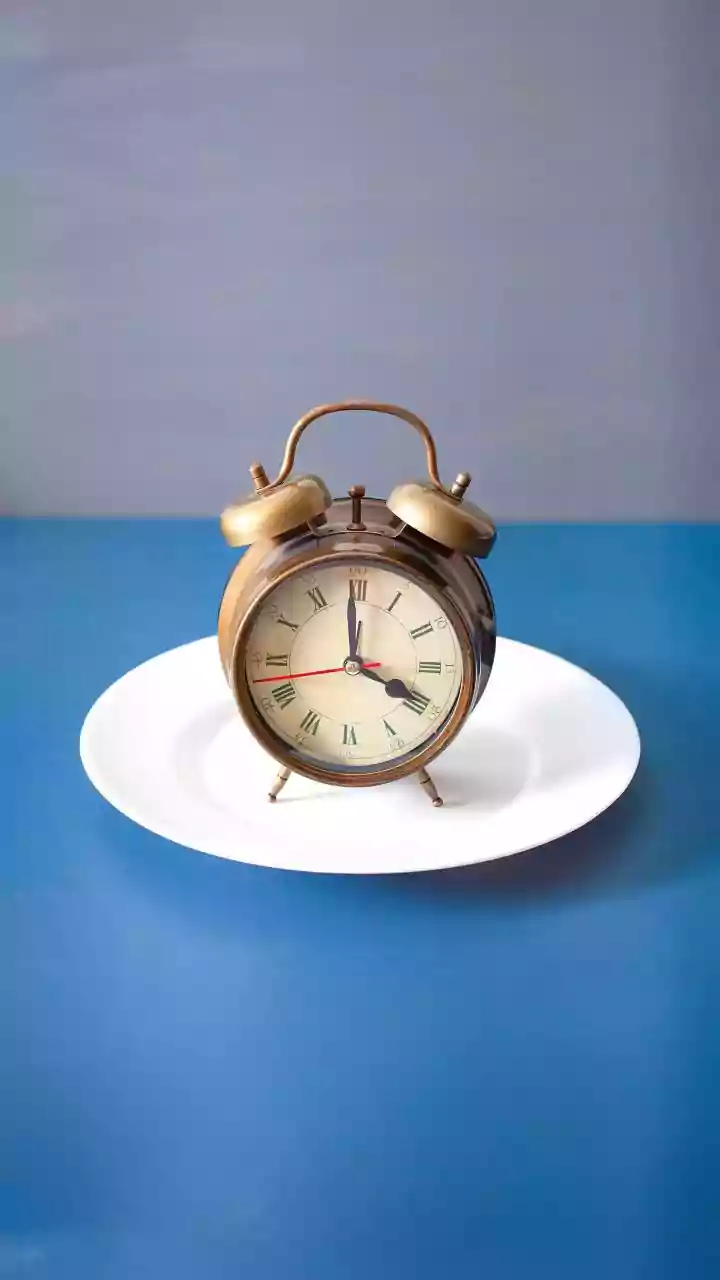
The physical benefits of un-rushed eating are significant. Digestion begins in your mouth, and when you chew thoroughly, you give the enzymes in your saliva a head start in breaking down food. This simple action reduces the workload on the rest of your digestive system, which can lead to less bloating, gas, and discomfort. Furthermore, it takes approximately 20 minutes for your stomach to send signals to your brain that you are full. When you eat quickly, you can easily consume more food than your body needs before this satiety signal kicks in. Slowing down gives your brain and body time to sync up, helping you recognise fullness naturally.
A Practice in Mindfulness
At its heart, slow eating is a mindfulness practice. In our fast-paced lives, meals are often rushed, eaten while multitasking in front of a screen or on the go. This is a missed opportunity for a mental break. Treating a meal as a singular activity can be a form of meditation that helps lower the body's stress response. Chronic stress is often linked to overeating or choosing less nutritious comfort foods. By focusing on the flavours, textures, and aromas of your food, you engage all your senses and ground yourself in the present moment. This can increase the enjoyment and satisfaction you get from a meal, fostering a healthier and more grateful relationship with food.
How to Design Your Own Experiment
Ready to try it? The key is to experiment without pressure. You don't have to overhaul every meal. Start with one meal a day. Try putting your fork down between each bite. This simple pause creates a natural break in the pace. Another technique is to aim for a certain number of chews per bite—some suggest 20 to 30—to make the process more conscious. Eliminate distractions by turning off the television and putting your phone away. Pay attention to the sensory details of your food. What do you taste? What is the texture like? The goal isn't perfection, but simply to bring more awareness to the act of eating.
It’s a Journey, Not a Race
Changing eating habits is challenging, especially ones that have been ingrained for years. There will be days when you find yourself rushing through a meal, and that’s perfectly okay. The point of a personal slow-eating experiment isn't to follow a rigid set of rules, but to build a more conscious and intuitive connection with your body. Notice how you feel on days you eat slowly versus days you eat quickly. Do you feel more satisfied? Is your digestion better? Does the food taste better? Let these personal observations, rather than a number on the scale, be your guide. This approach transforms eating from a source of stress into an act of nourishment for both body and mind.