

Think Vertically, Not Just Horizontally
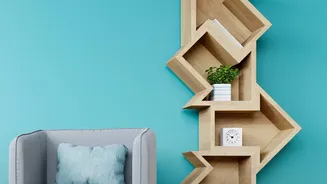
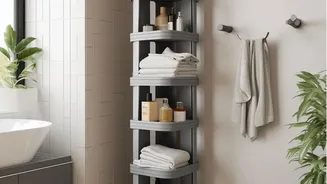
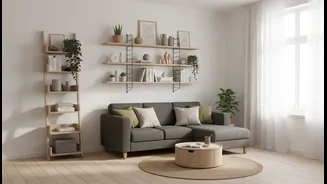
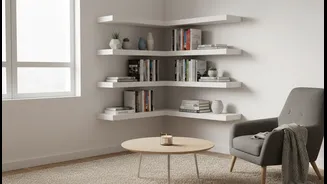
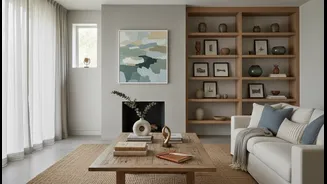
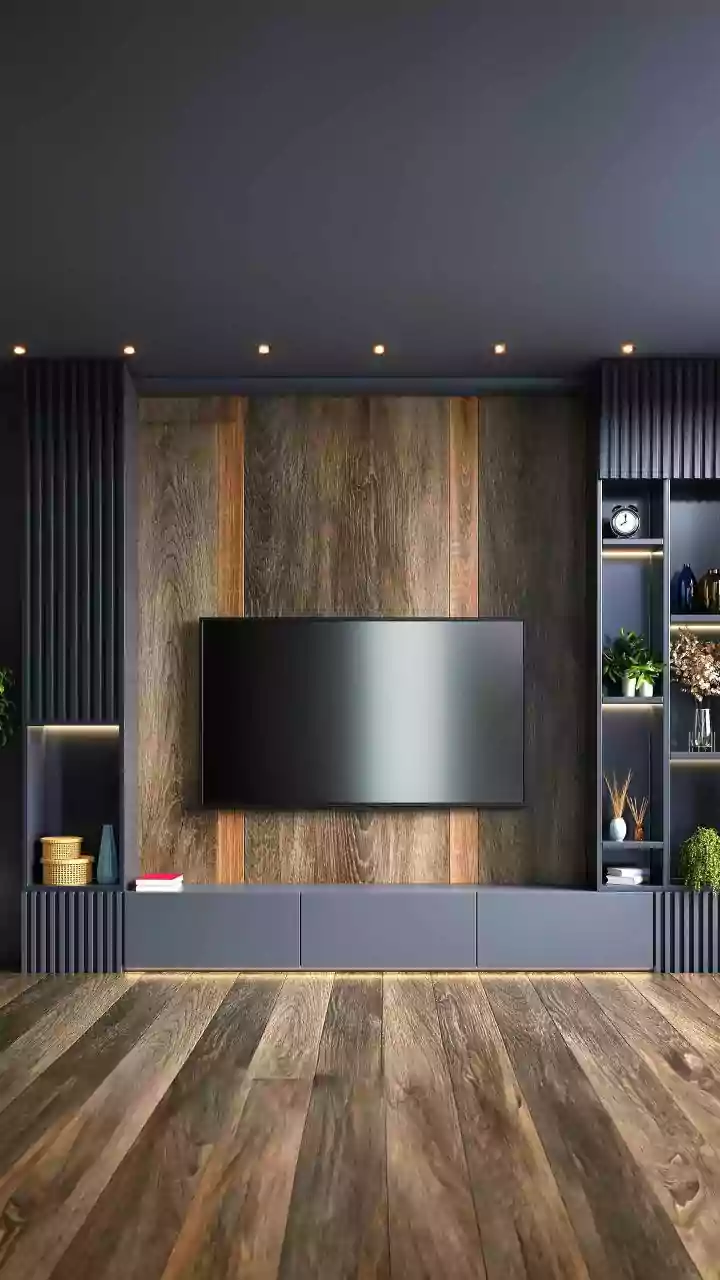
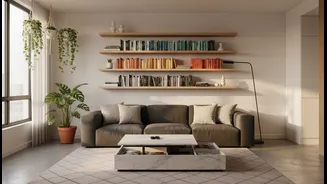
When floor space is limited, the only way to go is up. Most apartments have underutilised vertical space that can be transformed into valuable storage. Think about tall, narrow bookshelves that draw the eye upward and hold everything from books to decorative
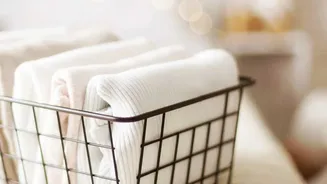
items. Wall-mounted shelves are a renter's best friend for displaying photos or keeping daily essentials within reach. For a damage-free option, consider using adhesive hooks and strips, which can hold surprising weight and are perfect for hanging bags, keys, or even lightweight art. Don't forget the space above your doors; a simple over-the-door rack in the bathroom or closet can instantly create a home for towels, coats, and accessories.
Embrace Multi-Functional Furniture
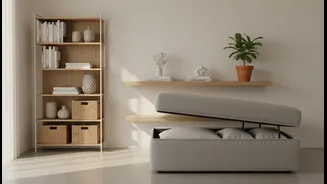
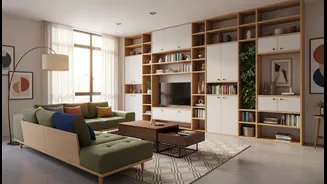
In a small space, every piece of furniture should work hard. Choosing items that serve more than one purpose is one of the smartest ways to maximise your square footage. An ottoman with hidden storage can hide away blankets and magazines while providing extra seating. A sofa that converts into a bed is perfect for accommodating guests without needing a separate guest room. Look for coffee tables with shelves or drawers, and consider a dining table that can be folded down or expanded when needed. These double-duty pieces keep your belongings accessible and organised without crowding the room.
Master the Art of Decluttering
The fastest way to create more space is to have less stuff. Regular decluttering is essential for maintaining a comfortable rental. Instead of trying to tackle everything at once, which can feel overwhelming, dedicate short bursts of time to specific areas. Spend 15 minutes on a single drawer or cabinet. A popular and effective strategy is the three-container method: designate boxes for items to keep, items to donate or sell, and items to throw away. As you go through your belongings, be ruthless. If you haven't used something in the past year, it might be time to let it go. This process not only frees up physical space but also contributes to a clearer, more focused mind.
Create Zones to Define Your Space
A studio or a small one-bedroom apartment can sometimes feel like one big, jumbled room. Creating distinct zones for different activities—living, sleeping, working—can make the space feel more intentional and organised. You don’t need walls to do this. A strategically placed bookshelf can act as a divider between your living and sleeping areas. A stylish rug can anchor your living room setup, visually separating it from a dining nook. You can even use curtains, hung from tension rods to avoid damaging walls, to conceal a workspace or a cluttered shelving area, adding a soft, chic touch while hiding mess.
Utilise Hidden and Unconventional Spaces
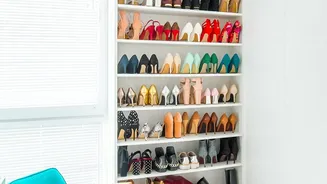
Your apartment is full of hidden storage opportunities waiting to be discovered. The space under your bed is prime real estate; use shallow bins with wheels or invest in bed risers to create more room for storing seasonal clothing, extra bedding, or shoes. The backs of doors are often overlooked, but they are perfect for hanging organisers for everything from toiletries in the bathroom to spices in the pantry. Look inside your kitchen cabinets, too. Attaching small racks or hooks to the inside of cabinet doors can create the perfect spot for pot lids, cleaning supplies, or cutting boards, freeing up precious shelf space.
Use Light and Mirrors to Create Illusion
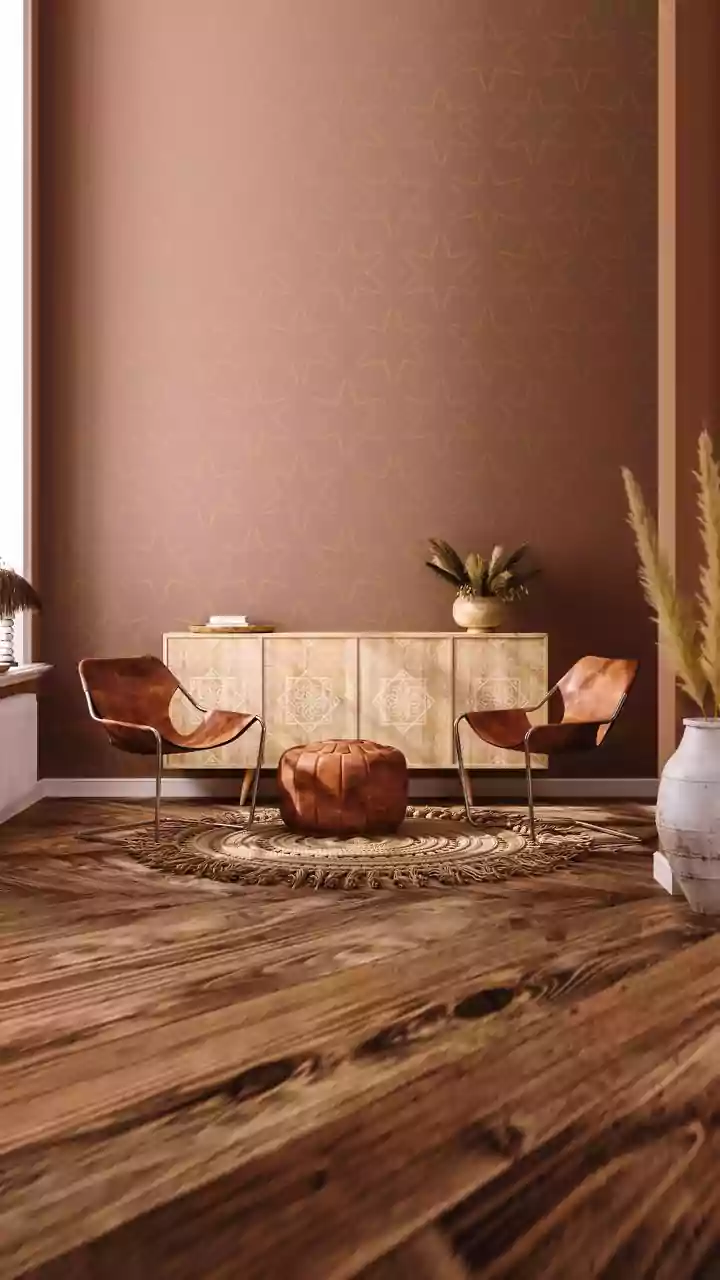
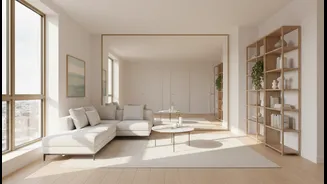
While not a storage tip in the traditional sense, making a room feel bigger is just as important as keeping it organised. Large mirrors are a classic interior design trick for a reason: they reflect light and create a sense of depth, making any room appear more spacious. Placing a mirror opposite a window is particularly effective for amplifying natural light. Similarly, good lighting is crucial. A dark, poorly lit room will always feel smaller. Layer your lighting with a mix of overhead fixtures, floor lamps, and table lamps to brighten up corners and create a warm, airy atmosphere. Removable wallpaper can also add depth and interest without being a permanent change.