

Roasted Bhutta: The Humble Superstar
There's no sight more quintessentially monsoon than a street vendor fanning embers to roast a perfect cob of corn. Bhutta, or roasted corn, is more than just a nostalgic snack; it's a nutritional powerhouse. It's packed with dietary fibre, which aids
digestion and helps you feel full. Corn is also a good source of antioxidants like lutein and zeaxanthin, which are beneficial for eye health, protecting them from damage. Moreover, desi bhutta has complex starches that provide sustained energy without sharply spiking blood sugar levels. When you enjoy a bhutta seasoned with lemon and a pinch of masala, you're enjoying a low-fat, nutrient-dense snack that perfectly captures the season's spirit.
Pakoras: It's All in the Flour and Prep
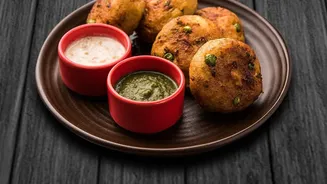
The very mention of pakoras can make you feel cozy. While deep-frying is what makes them a less-than-ideal daily snack, the core ingredients have a surprisingly positive story. The hero is besan, or gram flour, which is naturally gluten-free and rich in plant-based protein and fibre. Protein is essential for muscle repair, while fibre aids digestion. The vegetables mixed in, whether onion, spinach, or potato, add their own set of vitamins and minerals. The trick lies in the preparation. Using an air fryer or baking them can reduce the oil content by a significant margin, giving you that satisfying crunch without the extra calories and fat associated with deep-frying. So, a well-made pakora isn't just empty calories; it's a vehicle for protein and veggies.
Masala Chai: A Hug in a Mug
What is a plate of pakoras without a steaming cup of masala chai? This beloved beverage is more than just a caffeine fix; it's a blend of powerful spices with numerous health benefits. Ginger is known for its strong anti-inflammatory properties and its ability to aid digestion. Cardamom and cloves also contribute to better digestion and are packed with antioxidants. Cinnamon, another key ingredient, may help in regulating blood sugar levels and contributes to heart health. The spices work together to boost immunity and can have a calming, mood-enhancing effect, making it the perfect comforting drink for a grey, rainy day.
Samosas: The Baked Makeover
The samosa is arguably the king of Indian snacks, but its deep-fried nature often places it firmly in the 'unhealthy' category. A traditional fried samosa can contain between 250 to 300 calories. However, a simple switch in cooking method can transform it. Baked samosas, especially those made with whole wheat flour, are a fantastic alternative. Baking drastically reduces the calorie and fat content, with some baked versions having as few as 120-150 calories. The filling itself, often a mix of potatoes and peas, provides carbohydrates for energy, along with vitamins and fibre. By choosing to bake instead of fry, you can enjoy this iconic triangular treat without derailing your health goals.
Moong Dal Cheela: The Protein-Packed Alternative
While not as ubiquitous as the pakora, the moong dal cheela (a savory lentil pancake) is a popular and incredibly healthy monsoon snack. Made from soaked moong dal, it is an excellent source of plant-based protein and dietary fibre. This combination helps keep you feeling full and supports stable blood sugar levels. Moong dal is also light on the stomach and easy to digest, which is a bonus during a season when digestion can sometimes be sluggish. Cooked on a non-stick pan with minimal oil, a cheela stuffed with paneer or chopped vegetables becomes a complete, nutrient-dense meal that satisfies rainy-day cravings in the healthiest way possible.