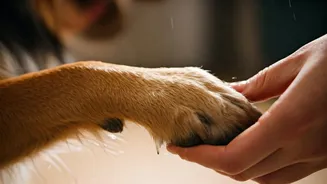






The Post-Walk Wipe-Down Ritual
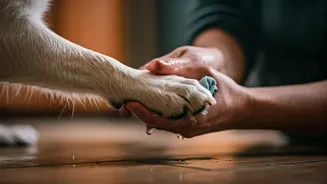
This is the most crucial step and it’s non-negotiable. Every time your pet comes in from the outdoors, their paws need immediate attention. Don’t just give them a quick once-over with a dry towel. The goal is to remove not just mud, but also the microscopic
germs that thrive in damp conditions. Use a soft cloth or towel dipped in lukewarm water to gently wipe each paw, making sure to clean between the toes and around the nail beds. For a more thorough clean, you can use a pet-specific paw washer or a mild, pet-safe antiseptic solution diluted in water. This simple, two-minute ritual is your first line of defence against common monsoon infections like pododermatitis (inflammation of the paws).
Keep Paw Hair Neatly Trimmed
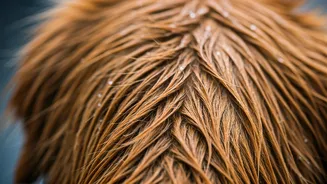
For long-haired breeds, the fur around their paws can become a magnet for moisture, mud, and debris. This trapped dampness creates the perfect warm, moist environment for fungal and bacterial infections to flourish. Keeping the hair between their paw pads trimmed short has multiple benefits. It prevents matting, allows the paws to dry faster, and makes it easier for you to spot any ticks, thorns, or cuts that might be hiding. You can ask your groomer to do a 'paw trim' during your pet's regular grooming session or learn to do it carefully at home with a pair of blunt-nosed scissors or pet trimmers. A clean trim means less muck to clean and a lower risk of infection.
Conduct Daily Paw Inspections
Make it a habit to inspect your pet’s paws closely every day, especially after they’ve been outside. This is different from the post-walk wipe. It's a health check-up. Gently spread their toes and look for any signs of trouble: redness, swelling, cracks, blisters, or excessive licking and chewing, which indicates irritation. Check for foreign objects like small stones, glass shards, or thorns that might have gotten lodged in the pads. Also, be vigilant about ticks, which are more prevalent in the damp monsoon weather and love to hide in the dark, cozy spaces between the toes. Catching these issues early can prevent a minor irritation from turning into a painful infection requiring a vet visit.
Moisturise to Prevent Cracking
It might seem counterintuitive during a wet season, but paw pads can become dry and cracked during the monsoon. The constant cycle of getting wet and then drying out can strip the pads of their natural oils, leading to painful cracks that can become susceptible to infection. After cleaning and thoroughly drying your pet’s paws, apply a thin layer of a pet-safe paw balm or wax. These products create a protective barrier against rough surfaces and help keep the pads supple and moisturised. Never use human lotions or moisturisers, as they can be too soft for paw pads and may contain ingredients that are toxic to pets if licked.
Choose Your Walking Routes Wisely
While walks are essential, you can minimise risk by being strategic about where you go. Avoid walking through stagnant puddles, garbage-strewn areas, or waterlogged lanes, as these are hotbeds for leptospirosis and other water-borne diseases. Stick to cleaner pavements or grassy areas that drain well. On days with very heavy downpours, consider shortening the walks and compensating with more indoor playtime to keep your pet physically and mentally stimulated. Games like fetch, hide-and-seek, or puzzle toys can be great energy-burners, reducing their exposure to the outdoor muck without compromising on their exercise needs.