





Beyond the Perfect Snapshot
For years, the gold standard of a vacation was dictated by a simple, unwritten rule: the sunnier, the better. Travel marketing, and later, social media, reinforced this with a relentless barrage of bright, saturated images of turquoise waters and cloudless
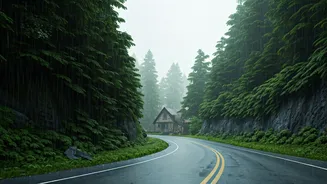
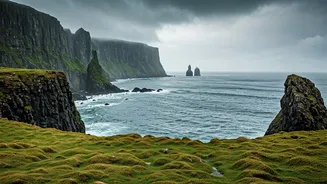
horizons. Success was measured in tans and photos that screamed 'paradise'. But for a growing cohort of Gen Z and millennial travellers, this picture-perfect ideal has started to feel hollow. They are leading a quiet rebellion against performative travel, trading the pressure of capturing the perfect Instagram shot for something more authentic and introspective. This has given rise to 'moody tourism' or 'pluviophile travel'—the intentional pursuit of destinations during their rainy or off-season months. It's less about ticking off a bucket list of sights and more about immersing oneself in the atmosphere of a place.
The Psychology of a Rainy Getaway
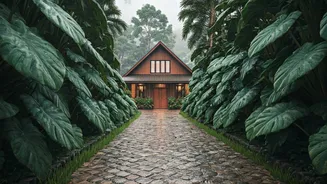
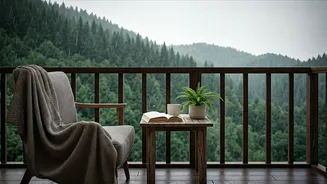
So, why the sudden love for gloomy weather? The reasons are rooted in a broader cultural shift towards wellness, authenticity, and a rejection of hyper-curation. Firstly, rainy trips offer a release from the pressure to be constantly 'on'. When the weather forces you indoors or encourages slower activities, the frantic pace of a typical holiday disappears. The focus shifts from doing everything to feeling something. There’s a certain magic in being curled up in a cosy homestay in Coorg with a book and a cup of coffee, listening to the downpour outside—an experience that prioritises comfort and mental peace over a packed itinerary. Secondly, this trend is a direct response to the burnout from the 'Instagram effect'. The pursuit of a flawless online aesthetic has left many feeling that their real-life experiences are just content-creation opportunities. A rainy, misty landscape is beautiful in a different, more profound way. It’s dramatic, soulful, and doesn’t demand a cheerful pose. It invites contemplation, not performance.
Monsoon Magic in India
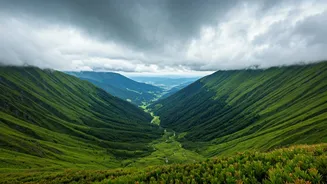
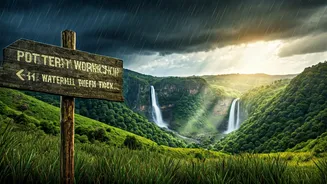
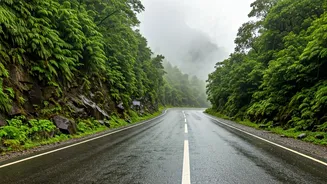
In India, this trend finds a natural and deeply cultural home. The monsoon isn't just a weather pattern; it's a season of renewal, romance, and sensory richness that has been celebrated in poetry, music, and film for centuries. Young Indians are now reclaiming this, seeing the monsoon not as an inconvenience but as the main attraction. Destinations that are often swamped with tourists in the winter months take on a completely different character from June to September. The lush, rain-washed landscapes of Kerala, with its overflowing backwaters and verdant hills, become a haven for those seeking tranquillity. The Western Ghats, from Malshej Ghat in Maharashtra to the hills of Goa, transform into a misty, waterfall-laden paradise perfect for trekking and long drives. Even cities like Mumbai, often chaotic during the rains, offer a unique charm—sipping cutting chai at a roadside stall while watching the sea is a quintessential experience that a 'peak season' tourist might miss.
Embracing the Art of Slow Travel
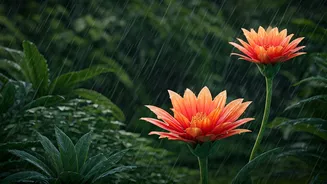
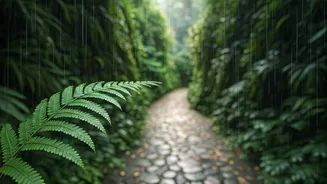
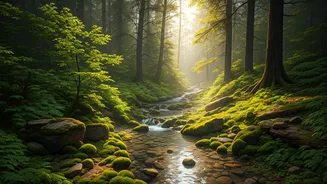
A 'rainy trip with soul' is defined by its activities—or lack thereof. The goal isn't to see, but to be. It means swapping crowded tourist spots for quiet nature walks, where the smell of petrichor (the scent of rain on dry earth) fills the air. It’s about discovering a local café and spending an entire afternoon there, watching the world go by. It’s about long conversations, reading books that have been sitting on the shelf for months, and reconnecting with oneself or with a companion. This form of travel is also often more sustainable and budget-friendly. Travelling during the 'off-season' helps reduce the strain of over-tourism on popular destinations and typically comes with lower prices for flights and accommodation. It allows travellers to support local communities during a slower economic period, making the experience more meaningful for both the visitor and the host.