


The Hype: Arashiyama Bamboo Grove, Kyoto
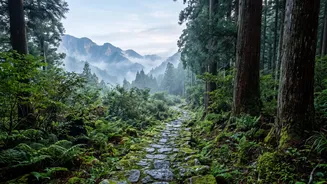
That iconic photo of a serene path winding through towering green bamboo stalks? It's a powerful image that draws millions to Kyoto's Arashiyama Bamboo Grove. The reality, however, can be less than peaceful. The main path is surprisingly short, around
400 metres, and from mid-morning onwards it often feels more like a slow-moving queue than a tranquil nature walk. The rustle of leaves is often replaced by the sound of countless camera shutters and the challenge of taking a photo without dozens of strangers in it. While the grove is undeniably beautiful, especially if you arrive at dawn, the midday experience can feel like one of Japan's biggest 'Instagram vs. Reality' letdowns.
The Alternative: Adashino Nenbutsu-ji or Hokoku-ji
For a more serene bamboo experience, consider heading a little further into Arashiyama to Adashino Nenbutsu-ji. This temple features its own quiet bamboo forest, connected to a deeply atmospheric field of thousands of stone statues, offering a more profound and peaceful visit. Alternatively, if you're visiting the Kamakura region near Tokyo, Hokoku-ji Temple is nicknamed the 'Bamboo Temple' for a reason. Its beautiful, dense grove has winding paths and even a small teahouse where you can sip matcha while surrounded by bamboo, providing the tranquil moment many seek but fail to find in Arashiyama's main grove.
The Hype: Fushimi Inari Shrine, Kyoto
The seemingly endless tunnels of vibrant red torii gates at Fushimi Inari are a breathtaking symbol of Japan. The problem is that thousands of other people agree. The lower paths of the mountain are almost always packed, making it difficult to appreciate the spiritual atmosphere or capture the iconic, empty-path photo. While you can find quieter sections by hiking further up the mountain, the initial experience can be a stressful shuffle, especially during peak season. The sheer popularity of the shrine means you are sharing a deeply spiritual place with a constant stream of visitors.
The Alternative: Nezu Shrine or Hie Shrine, Tokyo
If you want the visual impact of torii tunnels without the intense crowds, Tokyo offers fantastic alternatives. Nezu Shrine, one of the city's oldest, features a hillside path with a dense row of red gates that feels like a miniature Fushimi Inari, but with a fraction of the visitors. Similarly, Hie Shrine, tucked away in the bustling Akasaka district, has a striking staircase lined with torii gates that creates a beautiful contrast against the modern city skyscrapers. Both offer a more personal and peaceful encounter with this iconic Shinto imagery.
The Hype: Dotonbori, Osaka
With its blazing neon signs, giant mechanical crabs, and the iconic Glico Running Man, Dotonbori is Osaka's sensory-overload heartland. It's a spectacle, for sure, and a hub for street food. But it's also intensely crowded, overwhelmingly tourist-focused, and can feel more like a theme park than an authentic slice of Osaka life. While worth a quick look, spending an entire evening there means navigating dense crowds for what are often standard, if not overpriced, food offerings.
The Alternative: Shinsekai or Tenma District
For a different kind of Osaka energy, head to Shinsekai. This district offers a retro, slightly gritty charm with the Tsutenkaku Tower at its center. It’s still vibrant and full of life but feels more like a step back in time, with local eateries and a more nostalgic atmosphere. For an even more authentic food experience, the Tenma district is where locals go to eat and drink. The area is packed with tiny izakayas (Japanese pubs), standing bars, and incredible restaurants tucked into narrow streets, offering a genuine taste of Osaka's renowned culinary scene without the tourist crush of Dotonbori.
The Hype: Shibuya Crossing, Tokyo
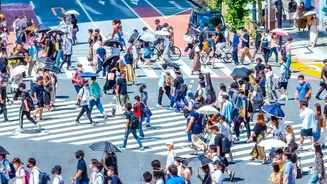
Billed as the world's busiest intersection, Shibuya Crossing is a mesmerizing spectacle of organized chaos. It’s an essential Tokyo sight, but the experience itself is fleeting. You cross the street, take a photo, and then... what? The immediate area is dominated by large chain stores and overwhelming crowds. For many, after the initial five-minute thrill, the area can feel generic and exhausting, lacking the unique character found in other Tokyo neighbourhoods.
The Alternative: Shimokitazawa or Yanaka
Just a few train stops from Shibuya, Shimokitazawa offers a completely different vibe. This neighbourhood is Tokyo's capital of vintage cool, with narrow streets full of independent boutiques, thrift stores, tiny cafes, and live music venues. It’s a place to wander, discover, and experience a more creative, youthful side of the city. For a glimpse into old Tokyo, the Yanaka district is a must. It survived the wars largely intact, and its quiet streets, small temples, traditional shops, and the peaceful Yanaka Cemetery offer a serene escape that feels a world away from Shibuya's neon jungle.