






The Unstoppable Rise of Delivery
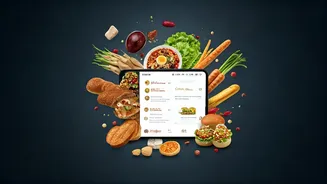
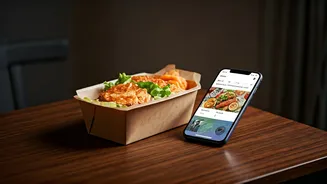
At the heart of this transformation are food delivery giants like Zomato and Swiggy. Dominating the market, these platforms have made ordering food a daily utility rather than an occasional treat. In urban India, where busy schedules and dual-income households
are common, the convenience of getting a meal delivered in under 45 minutes is a powerful driver. Studies show this convenience culture is leading to a significant behavioural shift, with some analyses indicating a 28% reduction in home-cooking frequency among urban users. This isn't just about saving time; it's about access. A person in a Tier-2 city can now explore Japanese, Mexican, or Italian cuisines that were previously unavailable, democratizing culinary experiences across the country.
The Ghost in the Kitchen
This delivery boom has fueled the explosive growth of cloud kitchens, also known as 'ghost' or 'dark' kitchens. These are delivery-only establishments with no physical storefront, built to serve the online ordering ecosystem. The Indian cloud kitchen market is projected to grow at a compound annual growth rate of over 12%, reaching billions of dollars by the early 2030s. This model allows a single kitchen to host multiple virtual brands, offering everything from biryani to burgers under different names, maximizing efficiency. For consumers, this means more choice and competitive pricing. For the industry, it represents a structural shift, prioritizing logistics and technology over traditional dine-in experiences.
The Social Media Effect
Alongside delivery apps, social media platforms like Instagram have become powerful tastemakers. Research from institutions like IIT Guwahati highlights how digital food culture—food blogging, aesthetic presentation, and online reviews—is shaping consumer desires. The 'camera eats first' phenomenon is real; restaurants and even home cooks now design dishes to be visually appealing for social sharing. Viral reels and influencer posts can make a dish or a restaurant an overnight sensation, effectively turning Instagram into a visual food search engine that drives both dining-out and ordering-in decisions. This visual culture dictates trends, from fleeting crazes to a sustained interest in photogenic, healthy foods like smoothie bowls and salads.
The Counter-Movement: Cooking and Consciousness
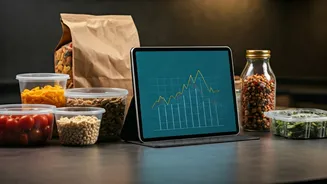
While convenience is king, a parallel trend is also gaining momentum: a renewed interest in home cooking, aided by a different set of apps. Recipe platforms like Archana's Kitchen, Hebbars Kitchen, and Yummly are empowering a new generation of home cooks with step-by-step videos and meal-planning tools. Simultaneously, health and wellness have become major priorities. Apps like Healthify and MyFitnessPal allow users to track calories and nutrients, with databases extensively covering Indian foods. This reflects a growing desire for conscious eating, with consumers seeking healthier, safer food choices. This has led to a rise in demand for healthy options even on delivery platforms, which now highlight low-calorie, high-protein, and vegan meals.
A Question of Health and Habit
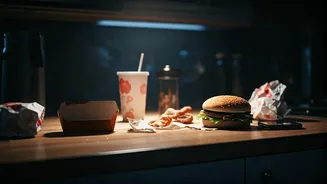
The unparalleled convenience of food apps comes with a trade-off. Health experts point to a correlation between the frequent use of delivery services and a rise in the consumption of calorie-dense, processed foods, potentially contributing to lifestyle diseases like obesity. Studies have shown that app-mediated dining can lead to an 18% increase in caloric intake and reduced dietary diversity. The constant notifications and discounts can encourage impulsive ordering, often replacing mindful eating with convenience-driven consumption. This has sparked a critical conversation about the long-term public health implications of a society that increasingly outsources its meals.