





The Two-Sided Problem with Juice and Pills
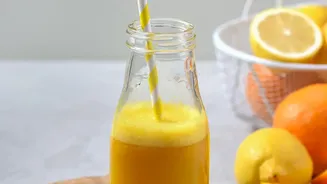
Swallowing a pill with a glass of orange or grapefruit juice seems harmless, but it can trigger a significant and sometimes dangerous interaction in your body. The problem unfolds in two distinct ways, depending on the juice and the medication. In one
scenario, the juice can cause your body to absorb too much of a drug, leading to an overdose. In the other, it can block the drug from being absorbed, rendering it ineffective. The headline-grabbing culprit has long been grapefruit juice, but research shows that other common juices, including apple and orange, can also pose a problem. This isn't just about 'acidity'; it's about specific chemical compounds in the fruit that interfere with the complex machinery your body uses to process medications.
Mechanism 1: Too Much of a Good Thing
The most well-known interaction involves grapefruit juice and an enzyme in your small intestine called CYP3A4. Think of CYP3A4 as a gatekeeper that metabolises, or breaks down, many common drugs. This process is crucial because it controls how much of the active ingredient actually enters your bloodstream. Grapefruit contains natural compounds called furanocoumarins, which block this enzyme. When CYP3A4 is inhibited, the 'gate' is left wide open. Instead of being partially broken down, a much larger dose of the medication passes from your gut into your bloodstream. This can amplify a normal dose into a toxic one, increasing the risk of serious side effects like liver damage or kidney failure, depending on the drug. This effect isn't just a minor fluctuation; a single glass of grapefruit juice can have a powerful impact.
Mechanism 2: Blocking the Medicine's Path
While grapefruit is famous for boosting drug levels, it and other juices like apple and orange can also do the exact opposite. Instead of interfering with enzymes, they can block proteins in the gut wall known as transporters, specifically a group called Organic Anion-Transporting Polypeptides (OATPs). These transporters act like tiny doors, helping to shuttle certain drugs from the intestine into the bloodstream. When compounds in juice block these OATP transporters, the medication can't get absorbed properly. Less of the drug makes it into your system, meaning you don't get the therapeutic benefit you need. This is particularly concerning for medications where a precise dose is critical for treating serious conditions.
Which Medications and Juices Are a Bad Mix?
The list of medications affected by fruit juices is extensive and continues to grow. The CYP3A4 interaction (the 'too-much' effect) caused by grapefruit is known to affect over 85 different drugs. This includes certain statins used to lower cholesterol like atorvastatin (Lipitor) and simvastatin (Zocor), some blood pressure medications like nifedipine, and certain anti-anxiety drugs like buspirone. The OATP-blocking interaction (the 'too-little' effect) is seen with grapefruit, orange, and apple juice. It can reduce the effectiveness of the antihistamine fexofenadine (Allegra), certain antibiotics, and some blood pressure medications like atenolol. Seville oranges (used in marmalade) and pomelos can also cause similar interactions to grapefruit. Because the list is so long and specific, it's impossible to generalise.
The Safest Way to Take Your Medication
Given the complexity of these interactions, the safest and most effective way to take most oral medications is simple: use plain water. Don't assume that because a juice isn't grapefruit, it's automatically safe. To avoid any interference, experts suggest creating a buffer zone. A common recommendation is to wait at least four hours between drinking fruit juice and taking your medication. Always read the patient information leaflet that comes with your prescription, as it will often contain specific warnings about food and drink interactions. If you are a regular juice drinker, it's crucial to discuss your habits with your doctor or pharmacist. They can review your specific medications and advise you on whether you need to adjust your routine to ensure your treatment is both safe and effective.