







From Page to Pilgrimage
So, what exactly is a literary escape? At its heart, it’s a form of travel where books are the main attraction. [8, 17] This can mean walking the streets of a city where your favourite novel is set, visiting an author's home, or even booking a dedicated
reading retreat where the only agenda is to get through your to-be-read pile. [3, 8] Think of it as a pilgrimage for the soul, where the destination is deeply connected to a story. It's about transforming travel from a passive sightseeing checklist into an active, imaginative experience. Instead of just seeing a place, you engage with it through a narrative lens, adding layers of meaning to every cobblestone street and misty mountain view. [17] According to travel experts, this type of tourism is surging as people increasingly seek depth and personal connection in their journeys. [17, 18]
The Rise of Quiet Travel
The growing appeal of literary escapes is part of a larger movement: 'quiet travel'. In a world saturated with digital noise and the pressure to perform on social media, many travellers are now actively seeking silence and solitude. [5, 10] This trend is a direct response to digital burnout and the overwhelming nature of modern life. [5, 10] Instead of chaotic schedules, people are opting for peaceful destinations where they can disconnect, relax, and recharge. [5] Activities like nature walks, journaling, and, of course, reading are central to this experience. [5] The goal is to escape the constant notifications and the unspoken demand to create 'Instagrammable' moments, and instead find genuine, restorative experiences. [5] This shift aligns perfectly with what a literary escape offers: a calm, introspective journey that prioritizes mental well-being over viral moments.
The New Definition of a 'Flex'
In this context, the idea of a travel 'flex'—or a way to show off—is being redefined. The old flex was about external status symbols: luxury suites, exclusive parties, and photos at overrun tourist traps. The 'quiet flex' of a literary escape is more subtle and internal. It's not about how much money you spent, but about the cultural and intellectual capital you possess. It signals a different kind of wealth—one of curiosity, depth, and a desire for meaningful experiences over superficial ones. Choosing to spend a holiday tracing a fictional character’s footsteps or attending a literary festival in a quiet town suggests a person who values substance. [2, 18] It’s an understated status symbol for those who find more value in a well-stocked library than a crowded beach club.
Your Own Literary Adventure
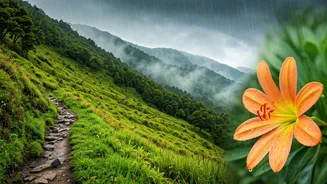
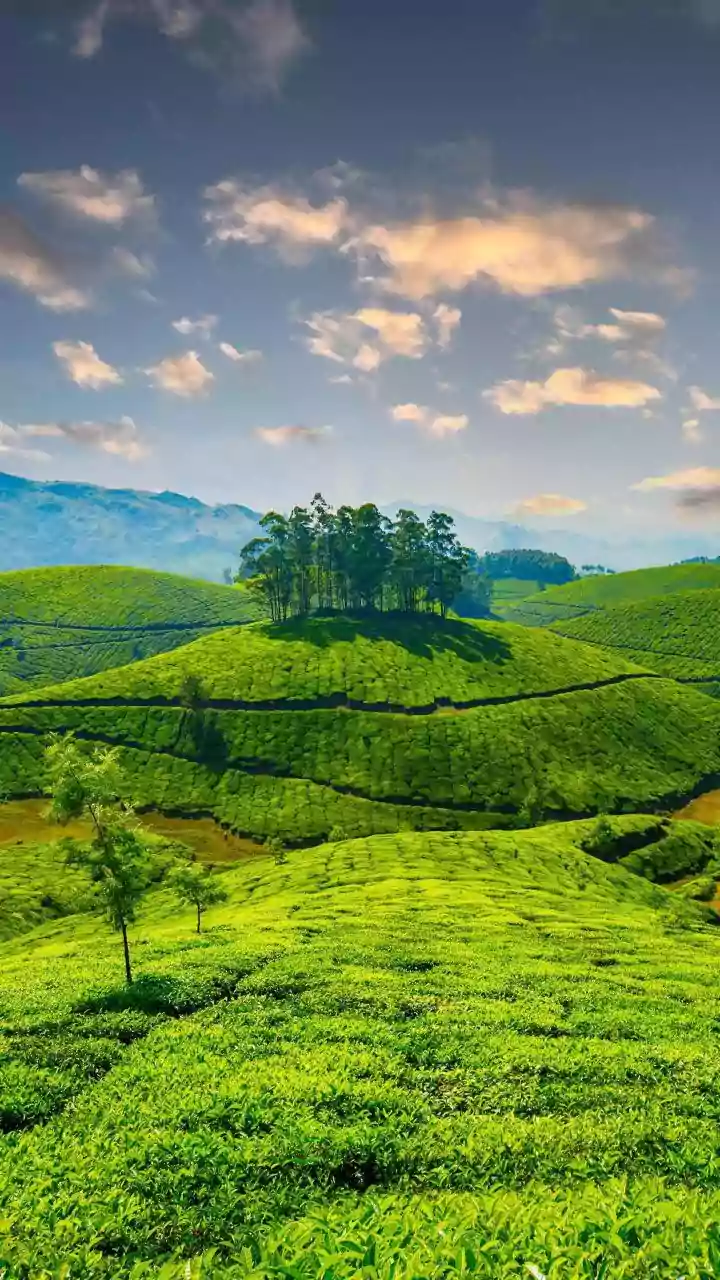
India, with its rich literary heritage, offers countless opportunities for such journeys. Imagine wandering through the misty hills of Mussoorie, a town that Ruskin Bond calls home, perhaps even catching him at a Saturday book signing. [11] Or picture yourself in Kolkata's College Street, the world's largest second-hand book market, soaking in the intellectual atmosphere at the iconic Coffee House, a historic haunt for writers and thinkers. [7, 11] You could explore Shimla's colonial architecture, which inspired authors like Rudyard Kipling, or visit Shantiniketan in West Bengal, founded by Rabindranath Tagore himself. [2, 7] From the thriving literary festival scene in Jaipur to serene reading spots in the mountains of Dharamshala or the backwaters of Kerala, the options are as vast as a library. [2, 14]