



The Problem with Polished White Rice
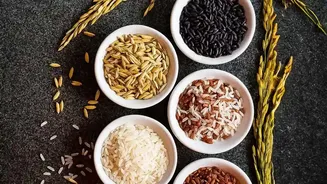
Polished white rice is a staple in countless households, loved for its soft texture and quick cooking time. However, the very process that gives it these qualities also strips it of its greatest nutritional assets. During refining, the outer bran and germ
layers are removed, taking with them the majority of the grain's fiber, vitamins, and minerals. What remains is mostly starch. For your gut, this is a significant loss. Dietary fibre is essential for healthy digestion and acts as food for the beneficial bacteria in your gut. With a fibre content of less than 0.5 grams per 100g, white rice offers very little to support this vital ecosystem. This can lead to sluggish digestion and a less diverse gut microbiome.
Your Gut: An Inner Garden
Think of your gut as a bustling inner garden, home to trillions of microorganisms known as the gut microbiome. This community of bacteria, fungi, and other microbes plays a crucial role in everything from digesting your food and absorbing nutrients to regulating your immune system and even influencing your mood. To thrive, this garden needs the right kind of nourishment, primarily in the form of prebiotics. Prebiotics are types of dietary fibre that your body can't digest but your good gut bacteria love to feast on. When these bacteria ferment prebiotic fibres, they produce beneficial compounds like short-chain fatty acids (SCFAs), which help keep your gut lining healthy and reduce inflammation.
Meet Foxtail Millet: The Fibre-Rich Hero
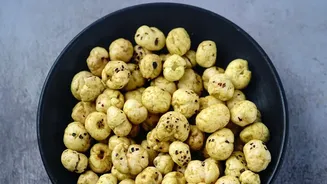
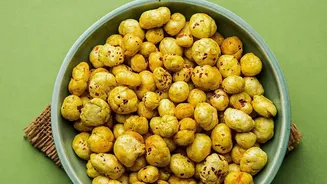
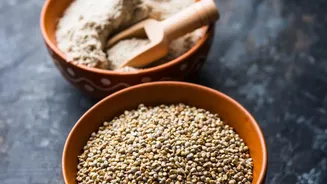
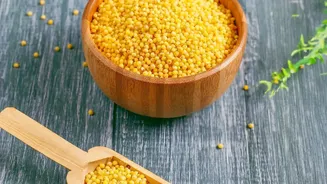
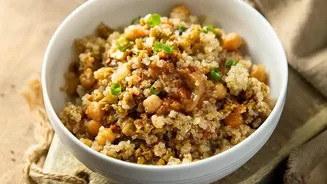
Enter foxtail millet, known in India as Kangni or Thinai. This tiny ancient grain is a nutritional powerhouse and a fantastic ally for your gut. Compared to white rice, it is significantly richer in protein and minerals like iron and calcium. Most importantly for gut health, foxtail millet is packed with dietary fibre—containing roughly 25 times more than polished white rice. This fibre, particularly compounds like arabinoxylan, acts as a powerful prebiotic, selectively feeding beneficial gut bacteria like Bifidobacterium and Lactobacillus. This helps promote a healthy and diverse microbiome, improve bowel regularity, and keep you feeling full for longer. Its low glycemic index also means it helps stabilize blood sugar levels, avoiding the sharp spikes associated with refined grains.
The Sorghum Solution
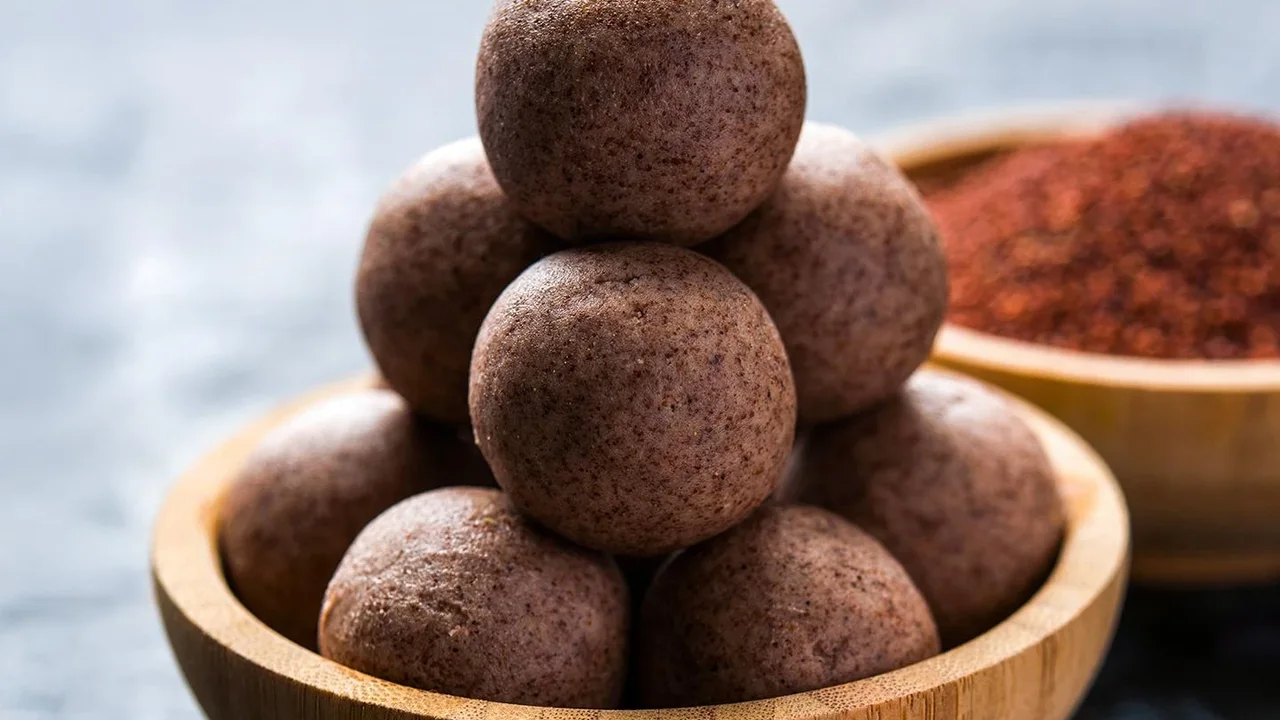
Sorghum, or Jowar, is another excellent gluten-free grain that has been a staple in India for centuries. It boasts a rich nutritional profile, with high levels of protein, iron, and B-vitamins. For the gut, sorghum's benefits come from its unique combination of dietary fibre and resistant starch. Resistant starch bypasses digestion in the small intestine and travels to the colon, where it ferments and acts as a prebiotic, nourishing good gut bacteria. This process helps produce butyrate, a short-chain fatty acid that is the primary fuel for the cells lining your colon, helping to reduce inflammation and strengthen the gut barrier. The high fibre content also promotes regular bowel movements and helps prevent issues like bloating and constipation.
How to Make the Switch Seamlessly
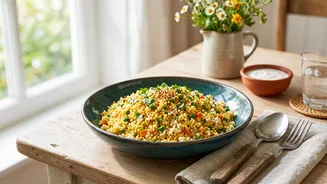
Switching from rice to millets doesn't have to be drastic. The key is gradual integration. Start by replacing one meal of rice with foxtail millet or sorghum a few times a week. You can also try mixing them in a 50:50 ratio with your regular rice to get accustomed to the new texture and nutty flavour. Both grains are incredibly versatile. You can cook them just like rice and serve them with dal or curry. For foxtail millet, a 1:2 ratio of millet to water generally works well for a fluffy texture, while a 1:3 ratio is better for porridge. Soaking the millets for at least 30 minutes to an hour before cooking is highly recommended, as it softens the grains, reduces cooking time, and improves digestibility. You can easily use them to make familiar dishes like pulao, upma, khichdi, or even a fermented dosa batter.
Beyond a Simple Swap
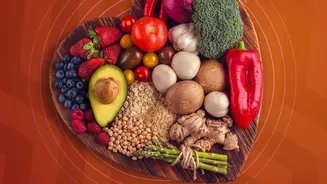
While swapping white rice for foxtail millet and sorghum is a significant step towards better gut health, it's most effective as part of a broader dietary approach. A truly healthy gut microbiome thrives on diversity. This means eating a wide variety of plant-based foods, including different vegetables, fruits, legumes, and other whole grains. Rotating between foxtail millet, sorghum, ragi, and bajra can provide a wider range of fibres and nutrients for your gut microbes. Including fermented foods like yogurt or kimchi can also introduce beneficial probiotics. Think of this grain swap not as a single solution, but as the first, easy step in a journey toward cultivating a healthier and more resilient inner garden.