



The Data on Our Discomfort
It’s a significant finding for the travel industry: the stress of the airport experience is actively suppressing demand. According to the SITA 2026 Passenger IT Insights report, a survey of nearly 8,000 travellers across 24 countries, a staggering 42%
have decided against taking a trip simply because they anticipated it would be too stressful. This isn't just a minor inconvenience; it's a direct hit to the travel economy. The effect is even more pronounced among the most valuable customers. Six in ten frequent flyers and more than half of travellers under 30 have abandoned a potential trip due to expected stress. The core of the issue, travellers say, comes down to uncertainty and a loss of control.
Anatomy of Airport Anxiety
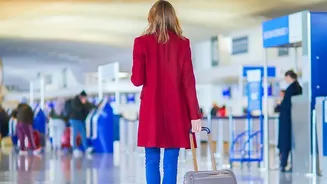
Airport anxiety is distinct from a fear of flying. It’s the stress induced by the ground experience: the long queues, the confusing terminal layouts, the race against the clock, and the constant worry about logistics. The SITA report pinpoints the biggest pain points. The top frustrations passengers want technology to solve are long waiting times and baggage handling concerns, followed closely by poor communication during disruptions and flight delays. The period between clearing security and boarding the plane has become a particular hotspot for stress. One-third of travellers now report feeling anxious during this critical 'dwell time', a threefold increase from 2023. This anxiety stems from not knowing what happens next—a fear that technology is uniquely positioned to address.
Technology: The Solution and the Snag
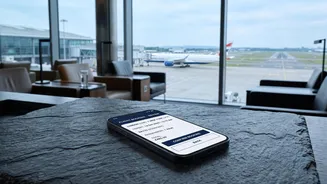
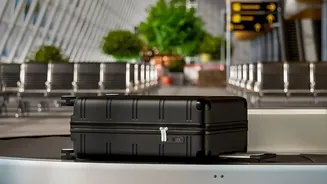
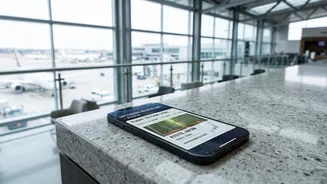
The good news is that travellers overwhelmingly believe technology can help. Eight in ten surveyed passengers think digital tools can reduce the stress of air travel. The most desired solutions involve giving passengers more information and control. This includes real-time updates on flight status, accurate queue times displayed on screens, and smart baggage tracking that follows a suitcase from check-in to arrival. Airports are increasingly implementing biometric technology like facial recognition to speed up check-in and boarding, which many travellers appreciate. However, the promise of a seamless digital journey often hits a snag. If the technology is not user-friendly or the data isn't shared effectively between airlines, airports, and border control, it can create new points of friction instead of removing old ones.
How Stress Is Reshaping Travel
When travellers anticipate a stressful journey, their behaviour changes. For a significant portion, it means not booking the trip at all. For others, it influences their choices in different ways. They might choose airports with better reputations for efficiency, opt for direct flights to avoid the anxiety of tight connections, or pay extra for services like fast-track security and lounge access to create a bubble of calm. As SITA's CEO David Lavorel noted, every trip won back from stress is 'a seat filled, a parking space sold and a coffee bought'. This makes reducing anxiety not just a customer service issue, but a core commercial strategy for the entire aviation ecosystem.
The Path to a Calmer Journey
The industry is taking note. The key, according to SITA, is data sharing. When airlines, ground handlers, and airports all have the same real-time information and can push it out to passengers' phones, uncertainty shrinks. For example, in the United Arab Emirates, where the use of technology at border control is high, only 13% of passengers reported negative emotions, compared to 37% in the overall survey. For travellers, the path to a calmer experience involves a mix of preparation and leveraging the tools available. This means downloading the airline app for updates, familiarising yourself with the airport layout beforehand, and considering if add-on services that reduce queues are worth the cost for your peace of mind. Ultimately, the goal is to turn frustrating waiting time into relaxed dwell time.