



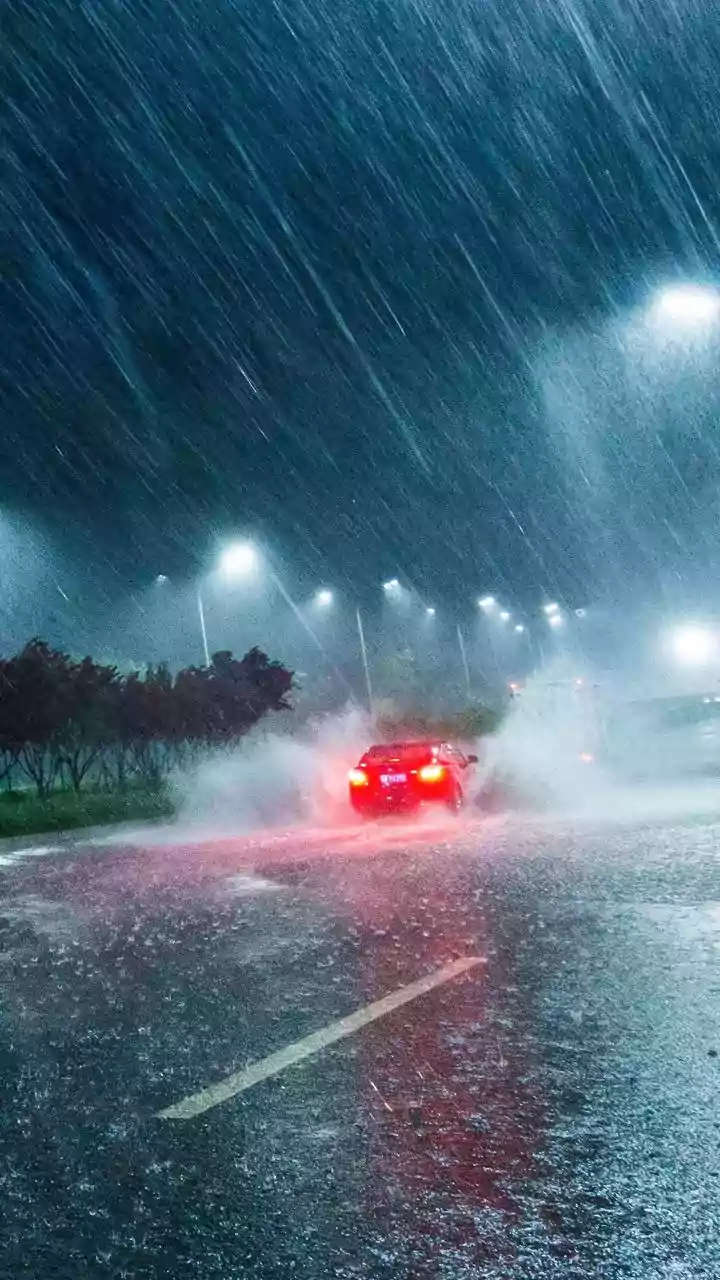




Weather Forecast: A Rainy Outlook
The India Meteorological Department (IMD) has forecast the onset of the northeast monsoon around October 15. This seasonal shift is expected to trigger moderate to heavy rainfall across several southern states until at least October 20. An orange alert,
indicating a warning to 'be prepared for severe weather', has been issued for districts in Kerala including Pathanamthitta, Kottayam, Idukki, and Ernakulam for October 15. Widespread rainfall is also expected in Tamil Nadu, Puducherry, Coastal Andhra Pradesh, and parts of Karnataka over the coming days. This weather pattern, driven by a cyclonic circulation over the Comorin region, marks a significant change and requires travelers to exercise caution.
Which Tourist Areas Are at High Risk?
The expected downpours pose different risks depending on the terrain. Hill stations like those in Kerala's Idukki district and Karnataka's Western Ghats face an increased threat of landslides and mudslides, which can block roads and isolate areas. Coastal destinations in Tamil Nadu, Puducherry, and Kerala could experience waterlogging in low-lying areas and strong surface winds, making beach activities unsafe. Past monsoon events have shown that sudden flash floods can occur in rivers, posing a severe risk to tourists near water bodies. National parks and wildlife sanctuaries may also enforce temporary closures for safety reasons. Travelers with itineraries including these types of destinations should pay close attention to local advisories.
Potential Travel Disruptions to Expect
Heavy rainfall can cause a cascade of logistical problems for tourists. Waterlogging and landslides frequently lead to road closures, disrupting bus services and private transport. In severe cases, railway tracks can be affected, leading to delays or cancellations. Air travel is also vulnerable, with poor visibility and strong winds potentially causing flight delays or diversions, as has been seen in airports like Chennai during previous heavy rain events. These disruptions can affect not just travel between cities but also local sightseeing, as many access roads to popular spots may become impassable. It is crucial to build extra time into your travel schedule and prepare for unexpected delays.
What to Do If You Have Bookings
If you have an upcoming trip to the affected regions, proactive communication is key. Contact your airline and hotels directly to understand their policies regarding cancellations or rescheduling due to weather advisories. Many providers may offer flexibility, but it's important to confirm this in advance. Keep a close watch on updates from the IMD and local disaster management authorities. It's also wise to check your travel insurance policy to see what coverage it provides for weather-related disruptions. Being flexible with your itinerary will be your greatest asset; consider having backup plans or being prepared to alter your route based on the latest conditions.
Staying Safe and Informed on the Ground
For those already traveling in Southern India, safety must be the top priority. Heed all official warnings and follow the advice of local authorities. Avoid driving through waterlogged streets and be extremely cautious on hilly roads, especially at night or during intense rain. Do not venture near swollen rivers or streams. Ensure your phone is charged and you have a list of emergency contact numbers, including local police and disaster management services. Following reputable news sources and official IMD channels for real-time updates will help you make informed decisions and avoid dangerous situations.