


From Standard Sets to Singular Stories
For years, decorating a home in India often followed a familiar script. It involved choosing from a limited catalogue of solid wood furniture, often sheesham or teak, characterised by heavy carvings and traditional silhouettes. Living rooms were furnished
with matching sofa sets, and the overall goal was a formal, respectable appearance that signalled stability. This approach, while rooted in quality craftsmanship, left little room for personal quirks or evolving tastes. Homes tended to look similar, prioritising a collective idea of what a 'good' home should be over individual expression. This focus on uniformity was a hallmark of an era where furniture was bought for life, and decor was more about permanence than personality.
The New Drivers: Social Media and Self-Expression
Today, that script is being rewritten, largely thanks to digital platforms like Instagram and Pinterest. These visual discovery tools have exposed a generation of Indians to a world of global design, creating what some call the "Instagram/Pinterest Home" effect. Homeowners now arrive at design consultations with mood boards and saved posts, armed with a clear visual language for what they want. This digital fluency is paired with a broader cultural shift. As incomes rise and homes become multi-functional spaces for work, life, and entertainment, the desire to create an environment that reflects one's identity has grown stronger. The home is no longer just a place to live; it's an extension of one's personality and life story.
What Personalised Décor Looks Like
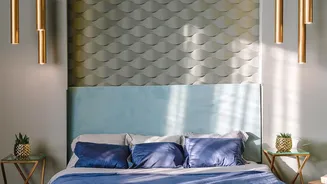
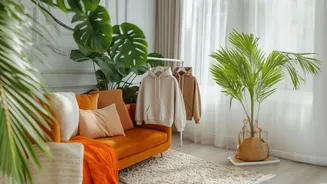
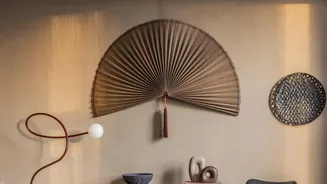
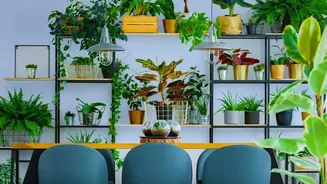
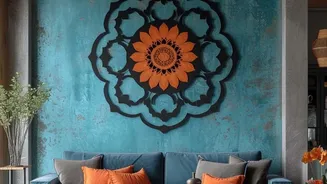
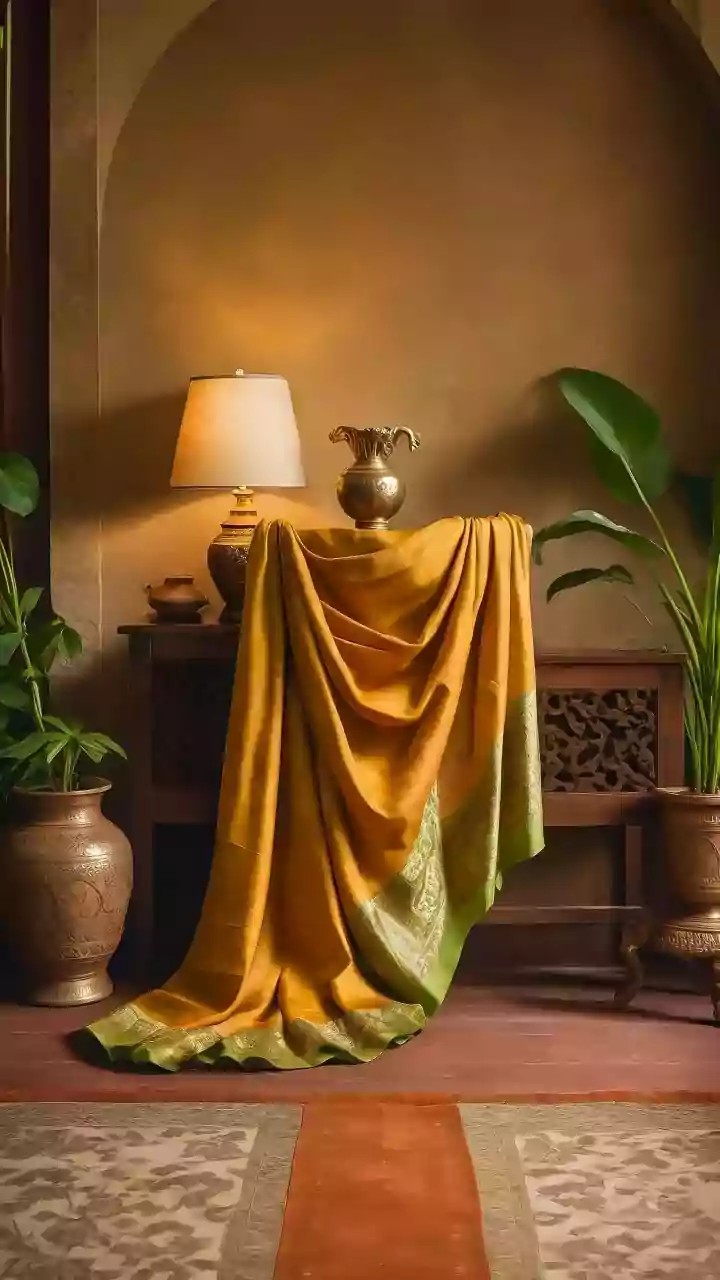
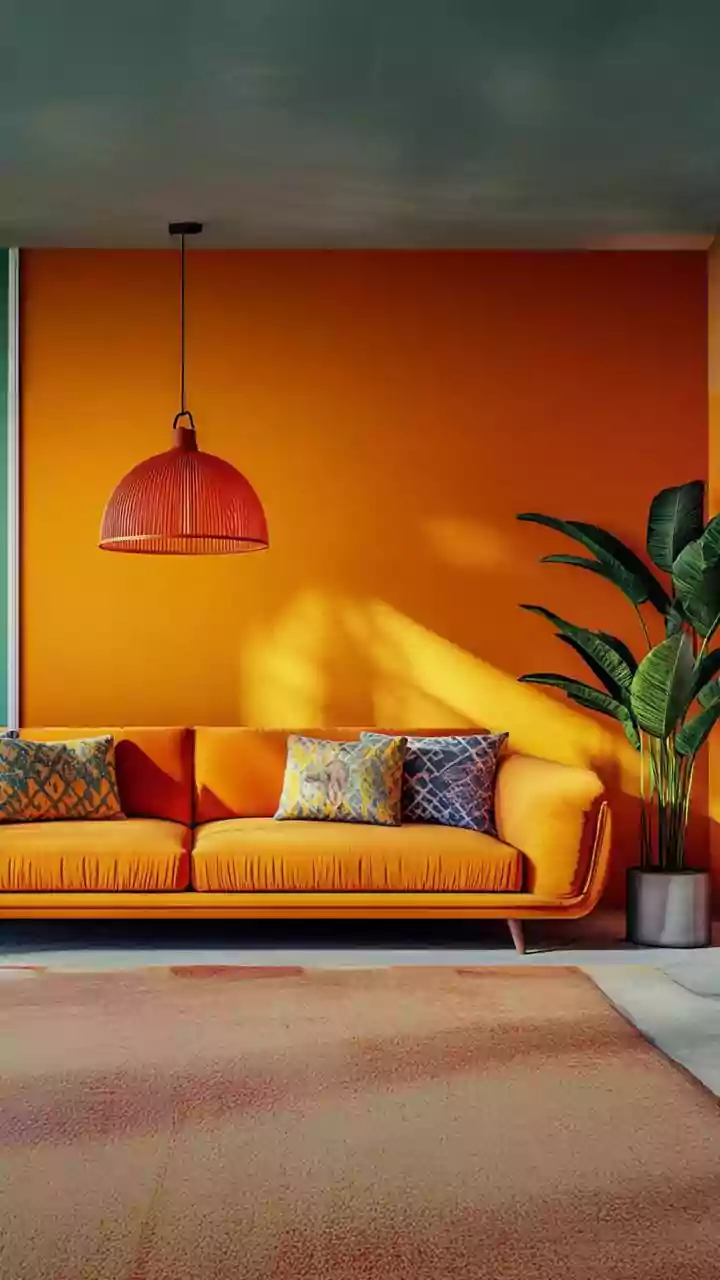
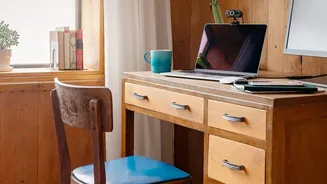
So, what does this new individuality look like in practice? It’s less about a single style and more about a confident mix. It’s a modern, minimalist sofa sharing space with a hand-painted Pattachitra panel or a vintage brass lamp inherited from a grandparent. This trend, sometimes called "modern Indian fusion" or "Granny Chic 2.0," is about blending contemporary clean lines with traditional craftsmanship and personal history. Instead of rooms dictated by a single theme, spaces are layered with objects that hold meaning: handcrafted textiles, local pottery, travel souvenirs, and unique art. This curated, not cluttered, approach allows each piece to tell a story, making the home a living album of one's experiences and values.
A Marketplace for Individuality
This shift has been enabled by a dynamic new marketplace. The rise of direct-to-consumer (D2C) brands, online decor platforms, and bespoke furniture makers has made unique, high-quality pieces more accessible than ever. Consumers are no longer limited to a few large local showrooms. They can now discover and purchase handcrafted items from artisans across the country, from hand-embroidered cushions to custom-built wardrobes. This has democratised design, allowing people to find items that resonate with their specific tastes, rather than settling for what's available. There's a growing appreciation for artisanal skill, with many homeowners now actively seeking out pieces that support local craft ecosystems in places like Jodhpur and Saharanpur.
More Than an Aesthetic Choice
Ultimately, the move towards personal decor is about more than just aesthetics; it's about well-being. The pandemic, which forced millions to spend unprecedented time at home, accelerated this realisation. People became acutely aware of how their surroundings affected their mood and productivity. A personalised space, filled with objects that bring joy and comfort, is now seen as an essential component of a balanced life. This new approach focuses on creating a sanctuary that feels both authentic and functional. It’s a departure from designing homes to impress others and a move towards creating spaces that nurture the soul. As one expert noted, the goal is to build a space that supports everyday life in a quiet and lasting way.