






Rethink Your Definition of the 'Best' Flight
While a direct route seems ideal, the 'best' flight is not always the shortest. Consider the timing: a flight that lands at midnight may be shorter, but it forces you into a stressful scramble for transport in a new city late at night. An itinerary with
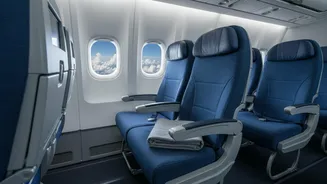
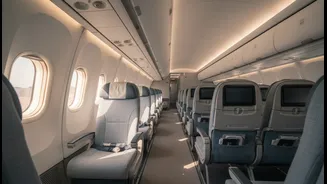
a slightly longer travel time that arrives in the morning could be far more relaxing. Furthermore, not all airlines are created equal. The carrier you choose significantly shapes your experience, influencing everything from seat comfort and cabin service to in-flight entertainment and meal quality. When comfort and service are priorities for a long-haul trip, it pays to research which airlines consistently receive top marks from travellers. Sometimes, a more reputable airline with a single, seamless connection is a better choice than a non-stop flight on a budget carrier.
Make the Airport Work for You
Airports are often seen as the most stressful part of travel, but a little planning can transform them from a source of anxiety into a comfortable prelude to your holiday. Arriving earlier than you think you need to is the simplest way to reduce stress, giving you a buffer for unexpected queues or delays. Modern airports are evolving from mere transit hubs into destinations with high-end dining, shopping, and relaxation zones. Consider investing in lounge access for a quiet space, complimentary food and drinks, and cleaner facilities. It can make a world of difference, especially during a long layover. Giving yourself ample time allows you to find your gate, grab a proper meal, and start your journey in a calm state of mind instead of a frantic rush.
Embrace the Strategic Stopover
Instead of viewing a layover as a necessary evil, consider turning it into a mini-adventure. Many airlines now offer 'stopover programs' that encourage travellers to explore a connecting city for a day or more, sometimes with complimentary or discounted hotel stays. A stopover breaks up a gruelling long-haul journey, giving your body a chance to recover. Spending a night in a real bed, having a proper meal, and doing some light walking can significantly reduce the physical toll of flying and help combat jet lag. It’s a chance to stretch your legs, reset your internal clock, and even add another city to your travel log, often for a lower total airfare than a direct flight.
Prioritise In-Flight Wellness
How you spend your time in the air dictates how you'll feel upon arrival. The first rule of long-haul wellness is hydration. The dry cabin air is dehydrating, so drink plenty of water and bring a moisturiser and lip balm. To improve your chances of getting some sleep, pack an eye mask, earplugs, or noise-cancelling headphones to block out light and cabin noise. While in-flight movies are a great distraction, also consider pre-loading your own devices with podcasts, music, or ebooks in case the entertainment system fails. Finally, try to align your sleep schedule with your destination's time zone during the flight to get a head start on beating jet lag.
Plan for a Seamless Arrival
Your journey doesn't end when the plane touches down. A smooth arrival sets a positive tone for the rest of your trip. Before you leave home, research your options for getting from the airport to your accommodation. Pre-booking a transfer or understanding the local public transport system can prevent confusion and overpaying for a taxi. It’s also wise to have the address of your hotel written down, perhaps even in the local language, to avoid communication issues. Don't overschedule your first day. Give yourself time to ease into the new environment. A simple walk around the neighborhood can help you get your bearings and adjust to the new time zone without pressure.