


More Than Just Birds and Mammals
Seed dispersal, the process of moving seeds away from their parent plant, is fundamental for the survival and spread of plant species. It allows plants to colonize new areas, avoid competition for resources like sunlight and water, and maintain genetic
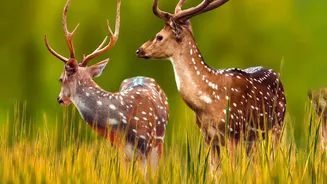
diversity across landscapes. For decades, scientific research has focused on what is known as zoochory, or animal-aided dispersal, with the spotlight almost entirely on vertebrates. We have come to understand the intricate relationships between plants and the birds, bats, monkeys, and other mammals that consume their fruits and disperse the seeds. However, this vertebrate-centric view is beginning to change as researchers look closer at the ground beneath our feet.
A Groundbreaking Global Review
A comprehensive review led by researchers from the University of Hong Kong has synthesized findings from 43 different studies, providing a clearer picture of a largely ignored process: invertebrate endozoochory. This is when small invertebrates like insects, slugs, or crabs ingest seeds, which then pass through their digestive systems unharmed and are deposited elsewhere, ready to germinate. The review documented this process for at least 51 invertebrate species dispersing the seeds of 186 different plant species across Oceania, Asia, Europe, and North America. The findings strongly suggest that this is not an isolated phenomenon but a widespread and ecologically significant mechanism that has been operating quietly for millions of years.
The Unsung Gardeners: Slugs and Beetles
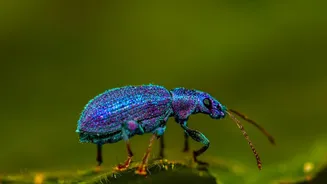
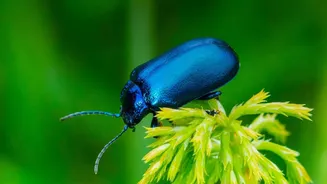
On land, creatures like slugs, crickets, and beetles are emerging as important, if unlikely, gardeners. While they don't travel the long distances a bird might, their contribution is vital on a micro-scale. These ground-dwelling animals often move seeds away from the immediate vicinity of the parent plant, reducing competition and the risk of being eaten by specialist seed predators. Some studies show that seeds that pass through a slug's gut may even become less attractive to rodents, increasing their chance of survival. Furthermore, these invertebrates deposit seeds into micro-niches—small, specific spots with ideal conditions for germination that a larger animal might miss. This precision placement can be incredibly important for a seedling's early success.
Coastal Cultivators: The Role of Crabs
Perhaps one of the most surprising findings highlighted by the research is the role of crabs in coastal and island ecosystems. Freshwater and terrestrial crabs have been found to be voracious consumers of fruits and seeds. Kenji Suetsugu, a co-author of the review, noted that a single crab can ingest over a thousand tiny seeds in one night. They later deposit these seeds in their humid, underground burrows. This behaviour provides a double benefit: the burrow protects the seeds from drying out and shields them from predators like rodents, giving them a much better chance to sprout. For plants in these environments, crabs are not just dispersers but also protectors, creating safe nurseries for the next generation.
Why These Tiny Movers Matter
Recognizing the role of these tiny movers has profound implications for conservation and our understanding of ecosystems. In fragmented forests or urban areas where larger animals may be scarce, invertebrates can become crucial for ensuring plant populations continue to thrive. Their work helps maintain plant diversity and genetic connectivity. The study also highlights a fascinating aspect of co-evolution: some plants that rely on these dispersers have evolved small, tough seeds in dull-coloured fruits that lie close to the ground, a stark contrast to the bright, showy fruits designed to attract birds. This shows a deep, ancient relationship between plants and their less glamorous partners. As populations of larger animal dispersers decline globally, the importance of this hidden network of slugs, beetles, and crabs may be more critical than ever for forest regeneration and resilience.