

The New Kitchen Reality
In the hustle of modern Indian life, the kitchen has become a focal point of a quiet revolution. The post-pandemic era reshaped our work lives, and with it, our eating habits. Many continue to work from home, but the return of packed schedules means less
time for elaborate cooking. This has created a fertile ground for a new culinary movement: meals that are both incredibly fast and genuinely healthy. The demand for ready-to-cook (RTC) options has surged in India, with the market showing significant growth. This isn't about a lack of desire to cook, but a need for efficiency. Surveys show that while people enjoyed cooking more during the pandemic, citing benefits like saving money and eating healthier, the challenge now is fitting it into a busy day. This is where the 30-minute meal comes in, offering a practical solution for the time-crunched yet health-conscious urban professional.
Beyond Instant Noodles
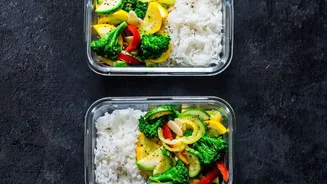
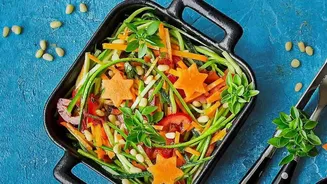
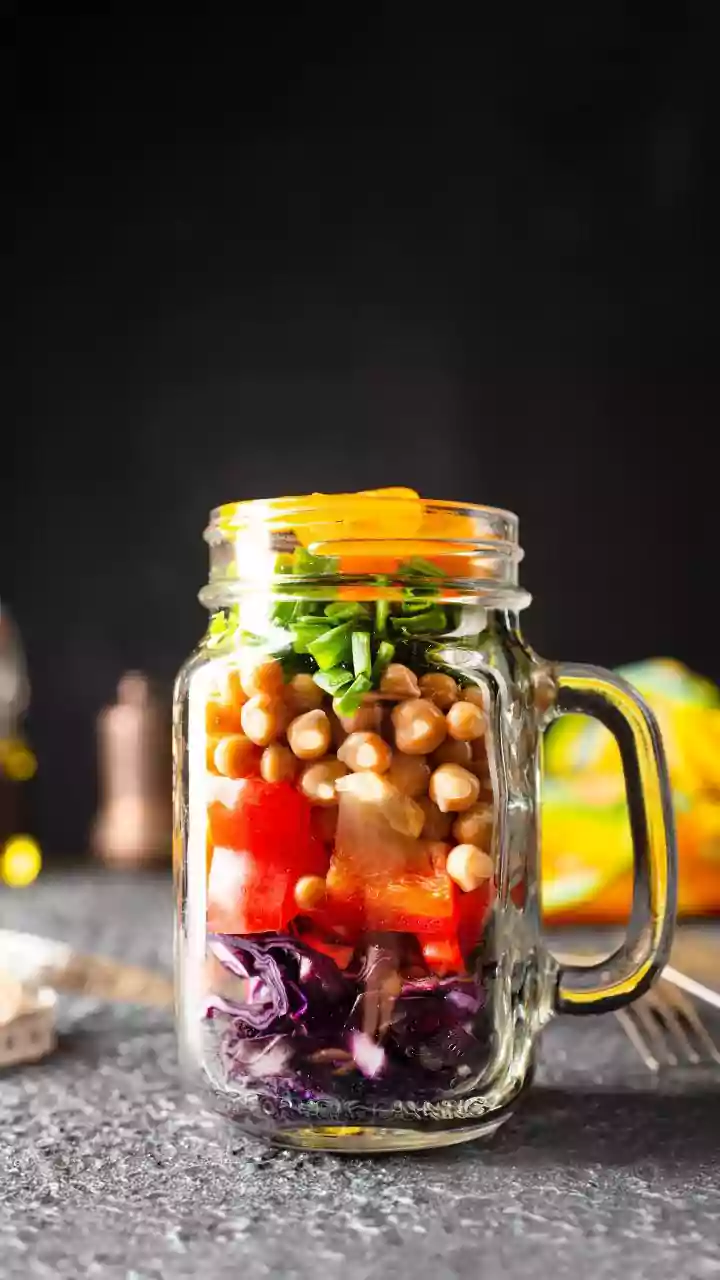
This trend is about more than just convenience; it's a conscious move away from traditional fast food and heavily processed meals toward something more nourishing. Consumers are increasingly health-aware, prioritising wellness and seeking out nutritious, clean food options. The 'healthy in a hurry' mindset is not about sacrificing health for speed but integrating the two. People are looking for recipes that feature whole foods, lean proteins, and plenty of vegetables, which can be prepared quickly. This shift is reflected in the rising popularity of dishes like one-pan sheet dinners, quick stir-fries, and hearty salads that can be assembled in minutes. The focus is on retaining control over ingredients and nutrition, a key reason home cooking remains appealing, even when time is at a premium. This contrasts with the ready-to-eat (RTE) market, which has seen less interest as consumers prefer to be involved in the cooking process.
The Social Media Accelerator
A major catalyst for the quick-cooking boom is social media. Platforms like Instagram Reels and YouTube Shorts have become the modern cookbook for millions. Visually appealing, fast-paced videos make even sophisticated-looking dishes seem achievable in a short time. The format is perfect for demonstrating a 30-minute recipe from start to finish, inspiring viewers to try new things. Viral trends like 'baked feta pasta' have shown how a simple, accessible recipe can capture global attention and even influence grocery sales. Food content is one of the most popular categories online, and influencers are constantly sharing creative recipes, hacks, and flavour combinations that cater to the demand for speed and health. This has democratised cooking knowledge, empowering a generation that might not have learned through traditional means to feel confident in the kitchen.
An Economical and Empowering Choice
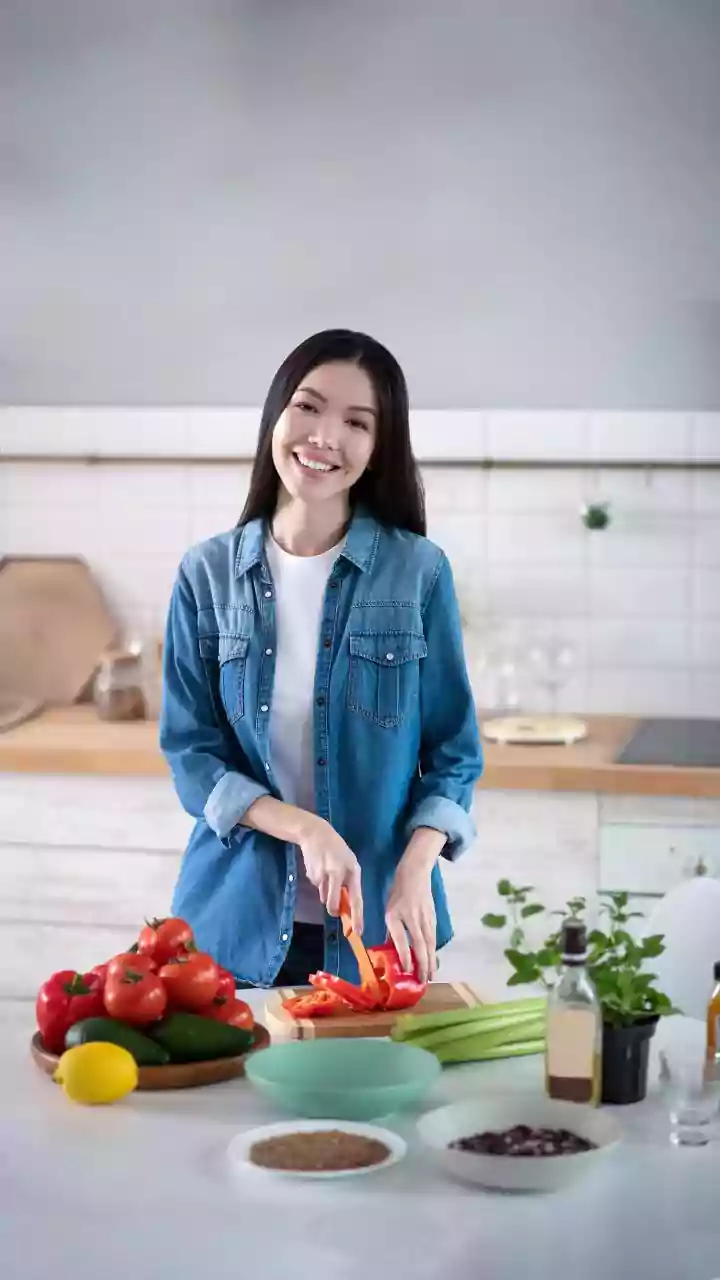
Beyond the time-saving and health benefits, there's a strong economic driver behind the trend. Cooking at home is consistently more cost-effective than ordering takeout or dining out, especially when trying to eat healthily. Many surveys from the post-pandemic era highlight saving money as a primary motivator for people continuing to cook at home. The rise of quick-commerce has further enabled this, making it easier than ever to get fresh ingredients delivered rapidly, bridging the gap between a spontaneous decision to cook and having the necessary items on hand. Ultimately, mastering a repertoire of 30-minute healthy meals is empowering. It provides a sense of control over one's health, finances, and time. It's a sustainable habit that aligns perfectly with the modern priorities of wellness, efficiency, and smart living.